Skip to content

You want to design jeans, but you don't know the exact process of how the fabric is made. Understanding the production steps helps you make better choices for your brand and communicate effectively with your factory.
Denim1 is made by spinning cotton2 into thick yarn, dyeing the vertical (warp) yarns with indigo, and then weaving them with undyed horizontal (weft) yarns in a tight twill pattern. Finishing processes like washing and sanforizing3 give it its final look and feel.
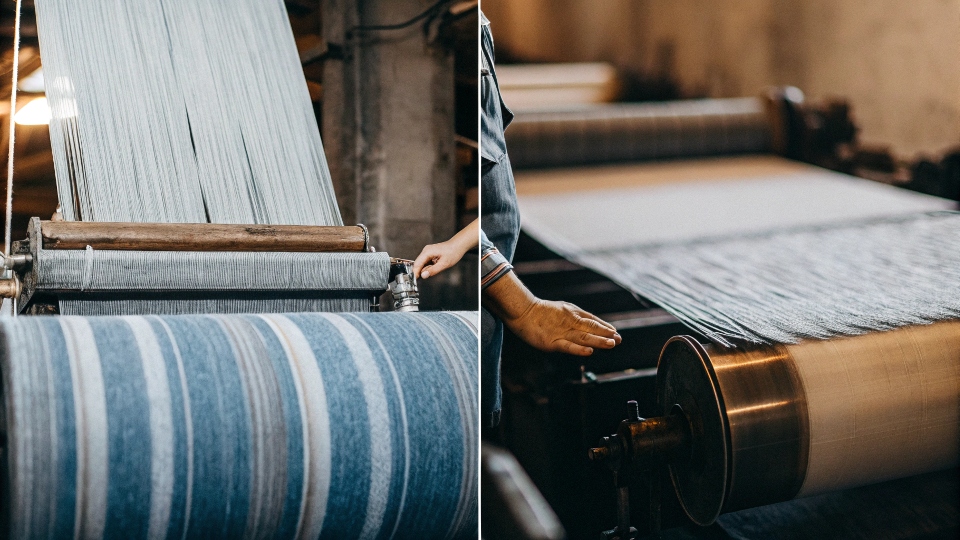
As someone who has managed a denim factory for two decades, I see this entire journey from raw fiber to finished garment every single day. It’s a process that is part agriculture, part chemistry, and part heavy engineering. Knowing how each stage works will not only make you a better designer but also a smarter business owner. Let's walk through the factory floor together, step by step.
How is denim made step by step?
You need a clear, easy-to-understand breakdown of the denim manufacturing process. This will help you identify which stages you can customize to create a unique product for your brand.
First, cotton is spun into thick yarn. Then, the warp yarns4 are dyed indigo blue. Next, these dyed yarns are woven with undyed weft yarns in a 3/1 twill pattern5. Finally, the fabric is finished with washing and pre-shrinking.
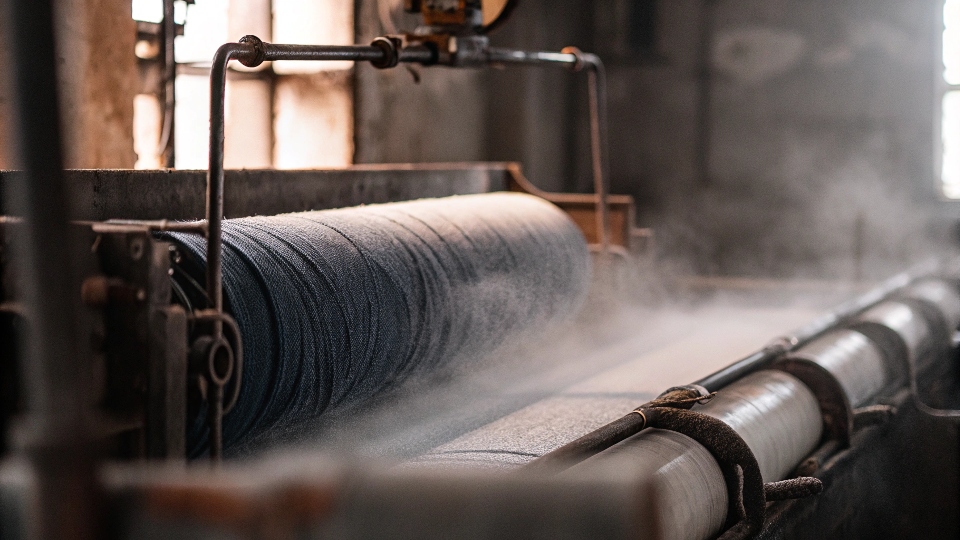
The process is highly controlled to ensure the final fabric is strong and has the right look. Here's how we do it in my factory every day.
Step 1: Spinning Cotton into Yarn
It all begins with raw cotton. The cotton fibers are cleaned, combed to align them, and then twisted tightly together in a process called spinning. For denim, we need thick, strong yarn.
Think of it like making a strong rope by twisting many smaller threads together. We create two types of yarn: a slightly thicker one for the vertical (warp) threads and a slightly thinner one for the horizontal (weft) threads. This is the foundation of denim's durability.
Step 2: Dyeing the Warp Yarns
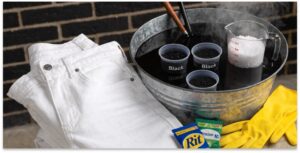
This is what gives denim its iconic blue color. We take the thick warp yarns and dip them repeatedly into large vats of indigo dye6. A unique thing about indigo is that it doesn't soak into the core of the yarn; it just coats the outside.
This is called "ring dyeing." Between each dip, the yarns are exposed to air, which turns them from a yellowish-green to the deep blue you know. This surface-level dyeing is why jeans fade so beautifully over time—the blue coating wears away to reveal the white cotton core underneath. The weft yarns are usually left undyed and white.
Step 3: Weaving the Fabric
This is where the yarn becomes fabric. We load the dyed blue warp yarns onto a giant machine called a loom. Then, the undyed white weft yarns are shot across horizontally. The loom interlaces them in a specific pattern called a 3/1 twill weave.
This means each warp yarn goes over three weft yarns and then under one. This tight, diagonal pattern is the secret to denim’s strength and its characteristic texture.
Step 4: Finishing the Denim
The fabric that comes off the loom is stiff and a bit rough—we call this "raw" or "greige" denim. The final steps are all about getting the right feel.
- Washing: We might wash the fabric to soften it. Sometimes stones are added (stone washing7) to create a faded, worn-in look.
- Sanforizing: This is a crucial step to prevent shrinkage. We use steam and rollers to pre-shrink the fabric so the jeans you buy will fit the same after you wash them at home. After a final quality check, the rolls of fabric are ready to be cut and sewn into jeans.
What is 100% denim made of?
You see "100% denim" on labels and assume it refers to a specific blend. This can be confusing. The term is actually simpler and more direct than you might think, referring to the core material.
"100% denim" is not a correct term. Denim is the name of the fabric. The correct term is "100% cotton denim8," which means the denim fabric is made entirely from cotton fibers, with no synthetic materials like elastane or polyester mixed in.
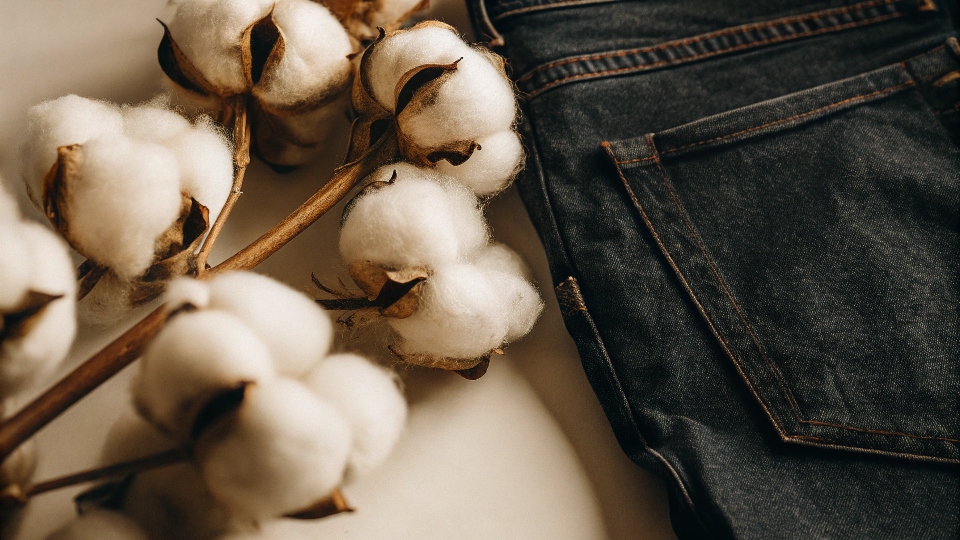
This is a common point of confusion, but it's very straightforward from a manufacturing perspective. Denim is the result of a process, not an ingredient. The primary ingredient is almost always cotton. The quality of that cotton is what determines the quality of the final denim.
For premium jeans, we use long-staple cotton, like Pima or Supima. This type of cotton has longer, stronger fibers, which allows us to spin a smoother, more durable yarn. For more budget-friendly jeans, short-staple cotton is used.
It's more affordable, but the resulting yarn isn't quite as strong. So, when a brand says their jeans are made from 100% cotton denim, they are making a clear statement: "We did not add any stretch fibers for comfort.
This is the classic, strong, traditional stuff." It's a way of signaling authenticity and a commitment to the original, durable nature of the fabric.
Why does it take 2000 gallons of water to make a pair of jeans?
You've heard the shocking statistics about water usage in denim production, and you're concerned about the environmental impact. Understanding where all that water goes is the first step to making more sustainable choices.
Most of the water is used for two main stages: growing the cotton plant itself, which is a very thirsty crop, and the dyeing and finishing processes in the factory, which involve multiple washes to apply color and soften the fabric.
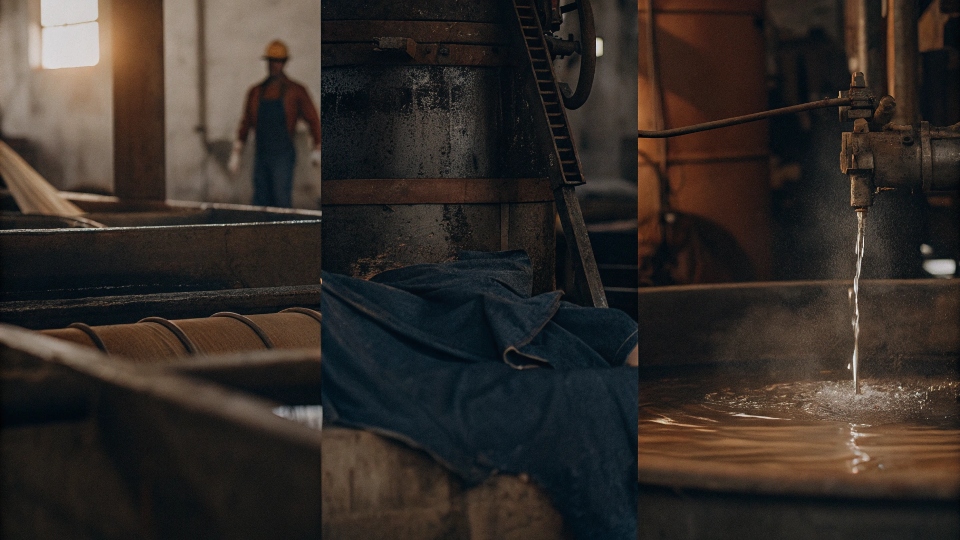
This is a major issue for our industry, and it's something we are working hard to improve. The 2,000-gallon figure is an average that highlights the most inefficient practices. Let's break down where that water is used:
| Production Stage | Why It Uses Water | Potential for Savings |
|---|---|---|
| Cotton Farming | Cotton plants require huge amounts of irrigation to grow, especially in dry climates. This accounts for the vast majority of the water footprint. | Use of organic cotton, which often relies on rainwater, or cotton from regions with better water management. |
| Dyeing Process | The indigo dyeing process involves dipping yarns in multiple vats of water and dye, with rinsing in between to remove excess dye. | Modern techniques like foam dyeing use significantly less water to apply the color. |
| Finishing/Washing | Stone washing, acid washing, and general softening all require large amounts of water and chemicals in industrial washing machines. | Ozone technology and laser finishing can create faded, distressed looks with very little or no water. |
The good news is that the industry is changing. At my factory, we've invested in new technologies that drastically reduce water consumption.
For example, some of our finishing machines can create that "worn-in" look using lasers instead of water and stones.
As a designer, you can make a huge impact by choosing to work with factories that use these modern, water-saving techniques and by specifying materials like organic or recycled cotton. The 2,000-gallon pair of jeans should become a thing of the past.
Why is denim not eco-friendly?
You want your brand to be sustainable, but you hear that denim has a bad reputation. You need to understand the key environmental problems so you can find solutions and make responsible choices.
Traditional denim production is not eco-friendly due to its high water consumption for cotton growing and dyeing, the use of chemical-heavy dyes and finishes, and the energy required for manufacturing. These factors contribute to water pollution and a large carbon footprint.
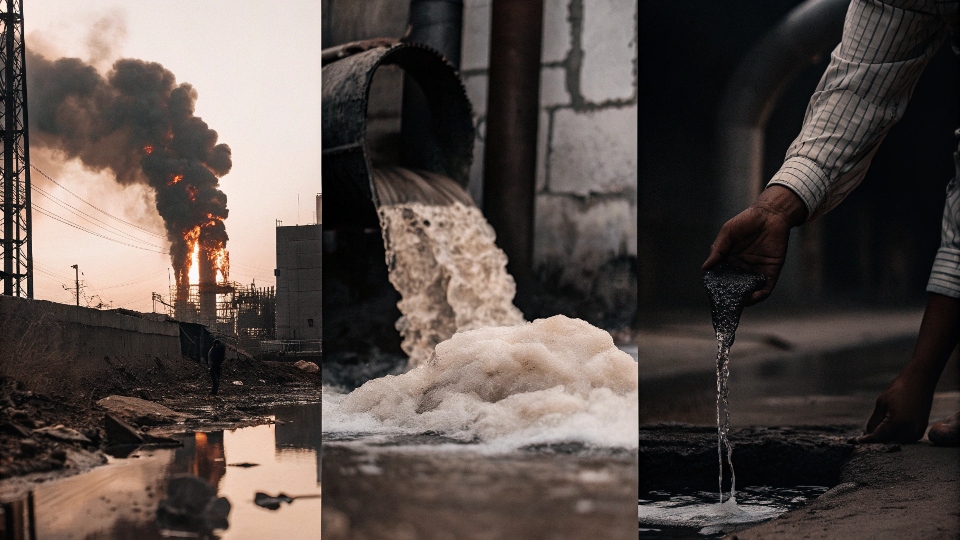
Denim's environmental problem comes down to three main areas. It’s a legacy of a process that was invented long before anyone was thinking about sustainability. But for each problem, modern solutions now exist.
1. The Water Problem
As we just discussed, the amount of water needed to grow conventional cotton and then to dye and finish the fabric is enormous. This depletes local water sources and puts a strain on ecosystems.
2. The Chemical Problem
The issues here are twofold. First, conventional cotton farming uses a lot of pesticides, which can contaminate soil and water.
Second, the dyeing and finishing processes can use harsh chemicals. The traditional indigo dyeing process requires chemicals to make the indigo soluble in water, and the distressed finishes often use chemicals like potassium permanganate. If not treated properly, the wastewater from the factory can pollute rivers.
3. The Energy Problem
The whole process is energy-intensive. Spinning machines, looms, and industrial washers and dryers all consume a lot of electricity. A lot of this energy still comes from fossil fuels, adding to denim’s carbon footprint.
However, it is entirely possible to produce eco-friendly denim today. As a designer, you have power. You can demand sustainable materials like organic or recycled cotton. You can partner with factories that have invested in waterless dyeing, laser finishing, and renewable energy. Denim doesn't have to be a dirty business.
Conclusion
Making denim is a complex journey from a cotton field to a finished fabric. By understanding each step, you can make informed choices about materials, finishes, and suppliers to create jeans that are both high-quality and responsible.
-
Explore the history and production of denim to understand its unique qualities and craftsmanship. ↩
-
Learn about the spinning process to appreciate the foundation of durable denim fabric. ↩
-
Understand how sanforizing prevents shrinkage and ensures a perfect fit for jeans. ↩
-
Discover the significance of warp yarns in creating the iconic denim texture and strength. ↩
-
Explore the weaving techniques that contribute to denim's durability and unique texture. ↩
-
Understand the dyeing process that gives denim its classic blue color and fading characteristics. ↩
-
Discover how stone washing creates a worn-in look and softens denim fabric. ↩
-
Clarify the term '100% cotton denim' and its implications for quality and authenticity. ↩