Skip to content

You dream of launching a denim brand1, but the market seems impossible to crack. You fear your startup will get lost among the established giants before you even get started.
Yes, a jean business can be a great startup if you have a unique vision2 and a reliable manufacturing partner3. Success depends on finding a niche, creating a quality product4, and managing your supply chain5 effectively.
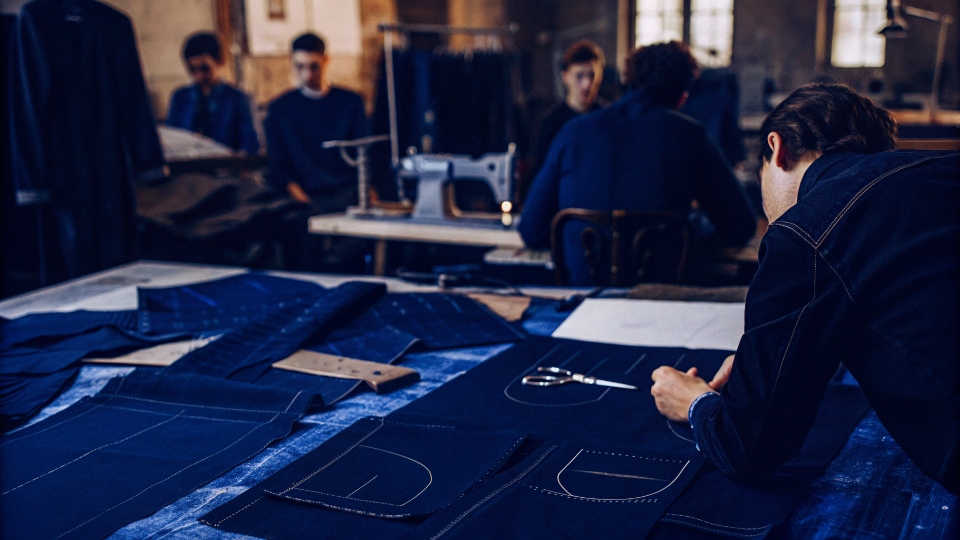
Starting any business is tough, but denim has its own special challenges. I have been in this industry for over 20 years, and I have worked with many startups at my factory, DiZNEW. I have seen brands thrive and I have seen them struggle.
The difference often comes down to a few key decisions. It is not just about having a great design; it is about understanding the business of jeans. I can share what I have learned to help you decide if this is the right path for you.
Can jeans be considered business professional?
You want to wear jeans to the office, but you are not sure if it is okay. The line between 'smart casual' and 'too casual' is blurry and confusing for many people.
Yes, dark, well-fitting jeans can be business professional in many modern workplaces. Pair them with a blazer or a smart shirt. Avoid ripped, faded, or baggy styles to maintain a polished look.

At my factory, we get orders for 'business casual' denim all the time. Our clients for these lines ask specifically for clean, dark washes with minimal branding.
The entire concept of office wear has changed. The old rules of 'no jeans at work' are disappearing, especially in creative and tech industries. But the key is that the jean itself must look professional. It is all about the details of the garment and how you style it.
The Rules of Office Denim
The difference between work-appropriate jeans6 and weekend jeans comes down to three things: color, fit, and condition. A dark wash in a slim or straight fit will almost always look more formal than a light, distressed, baggy pair. Think of it as a spectrum. The more your jeans resemble traditional trousers, the more professional they appear.
| Style Factor | Professional Look | Casual Look |
|---|---|---|
| Color | Solid dark indigo, black, or grey | Light blue, acid wash, bold colors |
| Fit | Slim or straight fit | Baggy, super skinny, or flared |
| Condition | Clean, no rips, no heavy fading | Frayed hems, distressed details, holes |
| Pairing | Blazer, dress shirt, leather shoes | T-shirt, hoodie, sneakers |
Is it worth investing in jeans?
You see jeans priced from $30 to $300 and wonder if it's all just marketing. Is spending more on a pair of jeans a smart investment or just a waste of money?
Yes, investing in quality jeans is worth it. A well-made pair uses better fabric, fits better, and lasts much longer than a cheap alternative. They are a wardrobe staple you will wear for years, making the cost-per-wear very low.
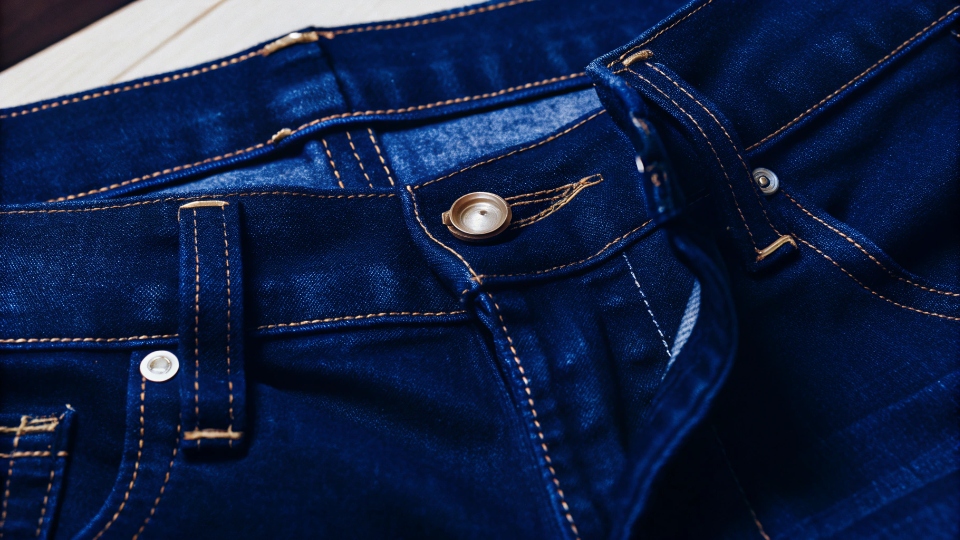
When a client asks us to make a premium jean7, the entire process is different. It is not about making something cheap; it is about making something that lasts.
You are not just buying denim; you are investing in durability and style that will stand the test of time. Your money buys tangible quality that you can see and feel every time you wear them.
What Your Money Buys
- Better Fabric: Premium denim, often from mills in Japan or Italy, has more character. It feels substantial, wears in beautifully, and develops a unique fade over time. Cheaper fabric can feel thin and might lose its shape after a few washes.
- Superior Construction: A quality jean has a higher stitch count, which makes the seams stronger. It uses better hardware, like YKK zippers and solid metal buttons that will not break. We also add reinforcements, like bar tacks, at stress points to prevent tearing.
- Expert Wash: The wash gives jeans their look and feel. A cheap wash can look flat and artificial. An expert wash8, which is my specialty, is a multi-step, artistic process that creates depth and a natural, worn-in appearance. This is a skill that adds real value to the final product.
How much does it cost to make a pair of jeans?
You are building your business plan, but the main cost is a black box. Without knowing the manufacturing price, you cannot set your retail price or figure out your budget.
The factory cost to make one pair of jeans ranges from $15 for a simple style in bulk to over $50 for a complex wash and premium fabric. Key factors are fabric, wash, complexity, and order quantity.
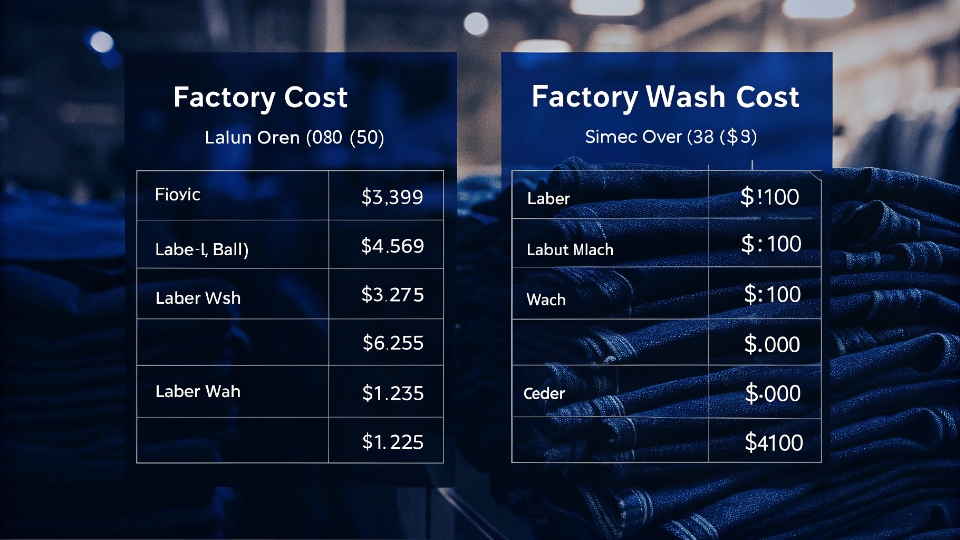
For a startup, understanding these costs is the key to creating a profitable business. The price is not just one number; it is a combination of different elements.
You need to know what drives the cost so you can make smart decisions for your first collection. The single biggest factor for a new brand is the Minimum Order Quantity (MOQ)9. A low MOQ is the best way to control your initial investment.
Anatomy of a Startup Jean's Cost
| Cost Component | Example Cost (per pair) | Why it Matters for a Startup |
|---|---|---|
| Fabric | $10 - $20 | This is your biggest material cost. A small change in fabric price makes a big difference over the whole order. |
| CMT (Cut, Make, Trim) | $5 - $10 | This is labor and hardware. A simple 5-pocket design is cheaper to make than one with many zippers and seams. |
| Wash & Finishing | $3 - $15+ | A simple rinse wash is affordable. A complex, hand-sanded vintage wash is a luxury and costs much more. |
| MOQ Impact | High MOQ vs. Low MOQ | A factory that demands 500 units will force you into a huge upfront cost. A flexible factory like DiZNEW lets you start with just 30 pieces, which is safer for a new brand. |
Why are jeans not considered professional?
You have always heard the rule "no jeans at work" but never understood the real reason. This old rule seems arbitrary when a good pair of jeans often looks better than cheap dress pants.
Historically, jeans are not considered professional because of their origins as durable workwear for miners and laborers. Their association with manual labor, rebellion, and casual weekends made them the opposite of formal business attire.
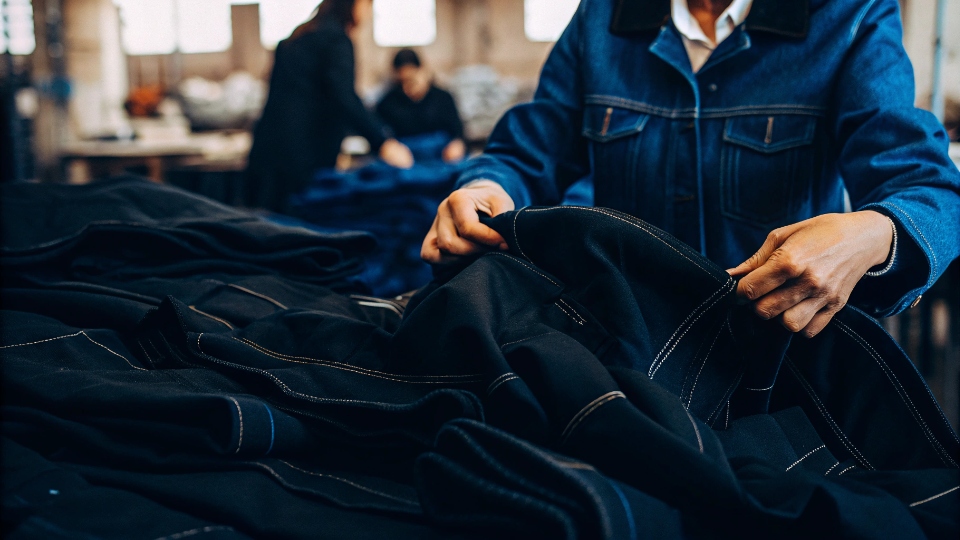
The image problem for jeans is rooted in over a century of cultural history. Even though we can now make jeans that are incredibly sophisticated and elegant, the cultural memory of denim is powerful.
This history is why some very traditional industries still prefer a suit. The dress code is not just about looking good; it is about signaling a connection to a certain professional tradition.
From Workwear to Weekend Wear
- The Workwear Origin (1870s): Jeans were invented for hard labor. Levi Strauss created them for miners in California. They were tough, practical, and designed for getting dirty. For decades, they were the uniform of the working class.
- The Rebel Symbol (1950s): In the mid-20th century, actors like James Dean and Marlon Brando turned jeans into a symbol of youth rebellion. They represented a break from the conformist, suit-and-tie corporate world.
- The Casual Standard (1970s-Present): By the 1970s, jeans became the standard for casual, everyday life. They were what you wore on your time off, not your time at work. This cemented their reputation as explicitly non-professional wear.
Conclusion
A jean business is a strong startup idea with a clear niche10 and the right factory. Success depends on differentiation, smart planning, and a reliable, flexible manufacturing partner from the start.
-
Explore this resource to understand the essential steps and strategies for launching a successful denim brand. ↩
-
Discover how having a unique vision can set your startup apart in a competitive market. ↩
-
Learn the critical factors to consider when choosing a manufacturing partner for your business. ↩
-
Understand the characteristics of a quality denim product to ensure your brand stands out. ↩
-
Explore strategies for managing your supply chain to enhance efficiency and reduce costs. ↩
-
This resource outlines the key features that make jeans suitable for the workplace. ↩
-
Discover the features that define premium jeans and why they are worth the investment. ↩
-
Explore the significance of expert washing techniques in creating high-quality denim. ↩
-
Learn how MOQ impacts your initial investment and production strategy. ↩
-
Finding a niche is crucial; this resource will guide you in identifying the right market segment. ↩