Skip to content

You design the world's most versatile garment, a symbol of both work and leisure. Yet, in the modern gym, a place of work and leisure, your creation is explicitly forbidden. This paradox is frustrating.
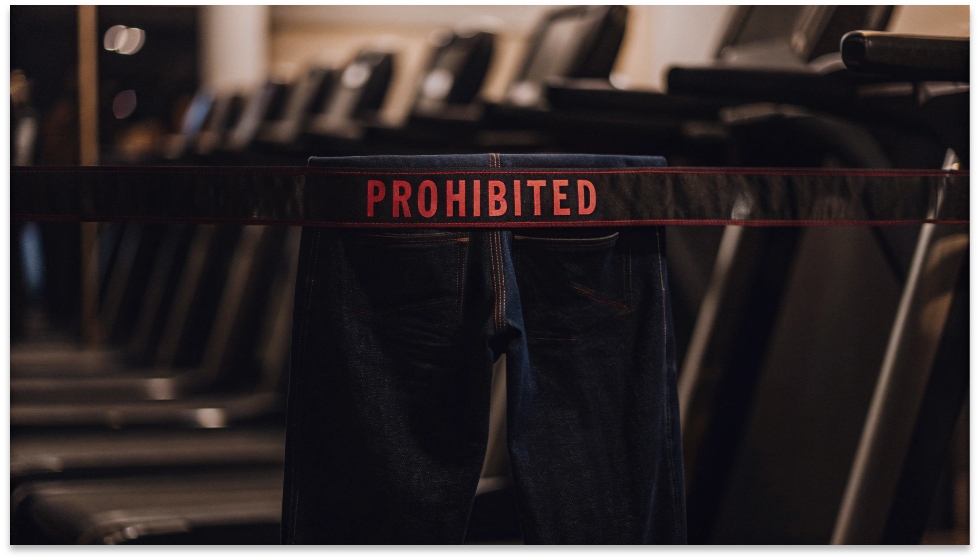
Jeans are banned from gyms because their material and construction are unsuitable for exercise. They restrict movement, lack breathability1, and their rivets and coarse seams can damage expensive equipment upholstery.
Dean, it’s a valid question that gets to the heart of what a garment is for. For over 20 years, I’ve built my career on the idea that denim is tough, durable, and can go anywhere. The gym is the one place that proves the exception.
Your insights about this are spot-on. It's not just a random rule; it’s a practical decision based on three things I deal with every day: fabric properties2, hardware, and the cultural expectation of a space3. Denim is the perfect tool for many jobs, but working out isn't one of them. Let's break down why our beloved fabric doesn't belong on the weight bench.
Is It Okay to Go to the Gym with Jeans?
As a designer, you might see someone in the gym wearing jeans and cringe. But is it just a fashion faux pas, or are there real, practical reasons behind the rule?
No, it is not okay to go to the gym in jeans. It's impractical for your workout, inconsiderate to the gym, and goes against the established safety and hygiene etiquette4 of the environment.
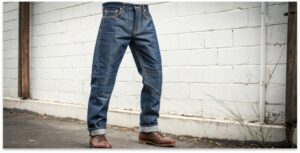
From a material and construction standpoint, jeans are a terrible choice for athletic activity. First, let's talk about the fabric itself. Most quality denim, the kind you and I appreciate, is 100% cotton.
Cotton is great for many things, but it has zero moisture-wicking properties5. It absorbs sweat, getting heavy, cold, and abrasive against the skin. It doesn't breathe well, trapping heat. Furthermore, the weave is designed for durability, not for stretch.
Try doing a deep squat in a pair of rigid selvedge jeans; you'll feel the fabric fighting you every inch of the way. Then there’s the hardware.
Those copper rivets and sturdy zippers that we love for their toughness will absolutely tear, scratch, and gouge the vinyl upholstery on benches and machines. It’s an expensive repair for the gym, all because someone wore the wrong pants.
What Is the 70/30 Rule in the Gym?
You hear about all sorts of "rules" in the fitness world. Understanding these principles can help you understand the mindset of the people in that environment and why certain standards exist.
The 70/30 rule is a guideline in fitness stating that achieving your goals, particularly weight loss or body composition changes, is roughly 70% dependent on your diet and 30% on your exercise.
This rule is interesting because it's about priorities and using the right tool for the primary job. It highlights that no amount of effort in the gym can overcome a fundamentally poor diet.
This same logic applies to gym attire. The "no jeans" rule is part of creating the optimal "30%" environment. You wear specific clothing—breathable, flexible, non-damaging—to get the most out of your workout and respect the space.
It’s a system where every element is chosen for performance. I see a parallel in my own work. For a truly great pair of jeans, you could say it’s 70% the quality of the raw denim and 30% the skill of the construction.
You can have the best sewers in the world, but if they are working with cheap, weak fabric, the final product will fail. The foundation matters most.
What Does Gen Z Think of Skinny Jeans?
As a designer, you always have your finger on the pulse of the next trend. The dominant fits of the last decade are being challenged, which has huge implications for your work.
Gen Z has largely moved away from skinny jeans. They overwhelmingly favor looser, more comfortable silhouettes like baggy jeans, straight-leg cuts, and carpenter styles, prioritizing freedom of movement6 and a '90s-inspired aesthetic.
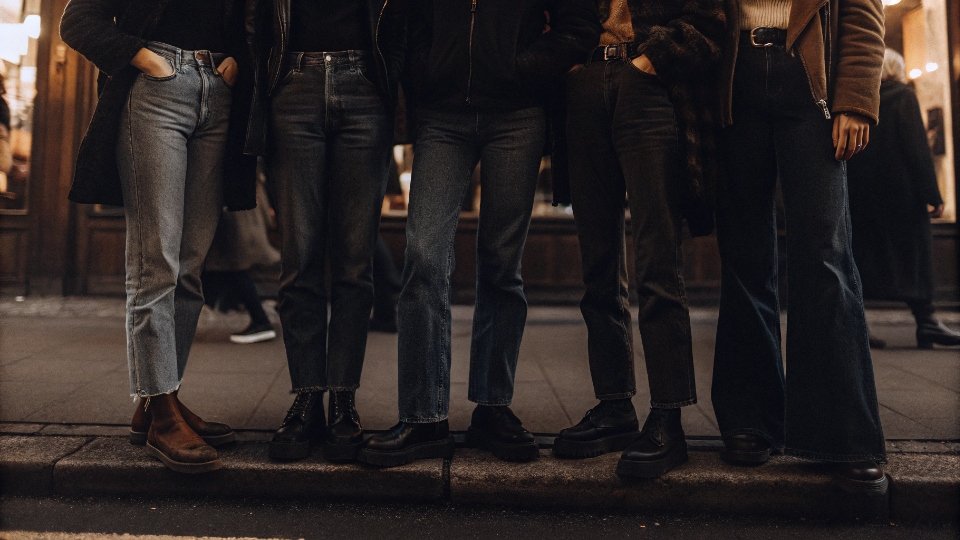
This shift is something I'm seeing every day on my factory floor. The patterns we are cutting are wider, the inseams are longer, and the demand for high-stretch, skin-tight denim has cooled significantly. It's a massive shift. What’s fascinating is how this trend connects back to the gym question.
The core complaint against skinny jeans is that they are restrictive. Gen Z is choosing comfort and freedom of movement6 in their daily lives. This preference for unrestrictive clothing aligns perfectly with the functional requirements of athletic wear. In a way, the "no jeans in the gym" rule is the ultimate expression of this desire for mobility.
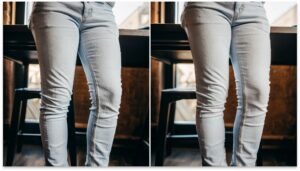
You can't get more restrictive than trying to do lunges in a pair of 100% cotton skinny jeans. The cultural shift away from restrictive fits in fashion mirrors the long-standing practical rule against them in fitness.
What Is the 3-3-3 Rule at the Gym?
Beyond the big principles, there are smaller, practical "hacks" people use to stay consistent. Understanding these methods gives you insight into the culture of discipline that gyms try to foster.
The 3-3-3 rule is a simple workout plan designed for consistency: choose 3 exercises, perform 3 sets of each, and do this routine 3 times a week. It's a minimalist approach to building a sustainable habit.
Dean, this is about removing barriers and making a task less intimidating. For someone new to the gym, a complex workout plan is a reason to quit. The 3-3-3 rule makes it simple and achievable. This mindset—simplifying for the sake of consistency—is a great design principle.
It’s a reminder that the "best" product or plan is the one people will actually use. This is why the "no jeans" rule is so universal and non-negotiable in gyms. It’s a simple, clear, and easy-to-enforce rule that removes a whole category of problems related to safety, hygiene, and equipment damage.
Instead of a long list of what not to wear ("no pants with rivets," "no non-stretch cotton," "no heavy, water-absorbent fabrics"), they simplify it to one blanket rule: "No Jeans." It’s a practical solution for a complex environment.
Conclusion
Jeans are forbidden in gyms because they are fundamentally the wrong tool for the job. They restrict movement, damage equipment, and lack the performance properties required for a safe and effective workout.
-
Explore the significance of breathability in gym wear for optimal performance and comfort. ↩
-
Learn about the essential fabric properties that make workout clothing effective and comfortable. ↩
-
Delve into the social norms surrounding gym clothing and their impact on fitness culture. ↩
-
Learn about the essential safety and hygiene practices that ensure a positive gym environment. ↩
-
Learn how moisture-wicking fabrics enhance workout experiences by keeping you dry. ↩
-
Understand how clothing that allows freedom of movement enhances workout effectiveness. ↩ ↩