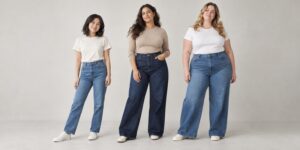

Ever pull on a pair of old-school jeans and feel like you're trapped in a denim cage? You're not alone. I'm here to explain the shift towards stretch and what it means for denim today.
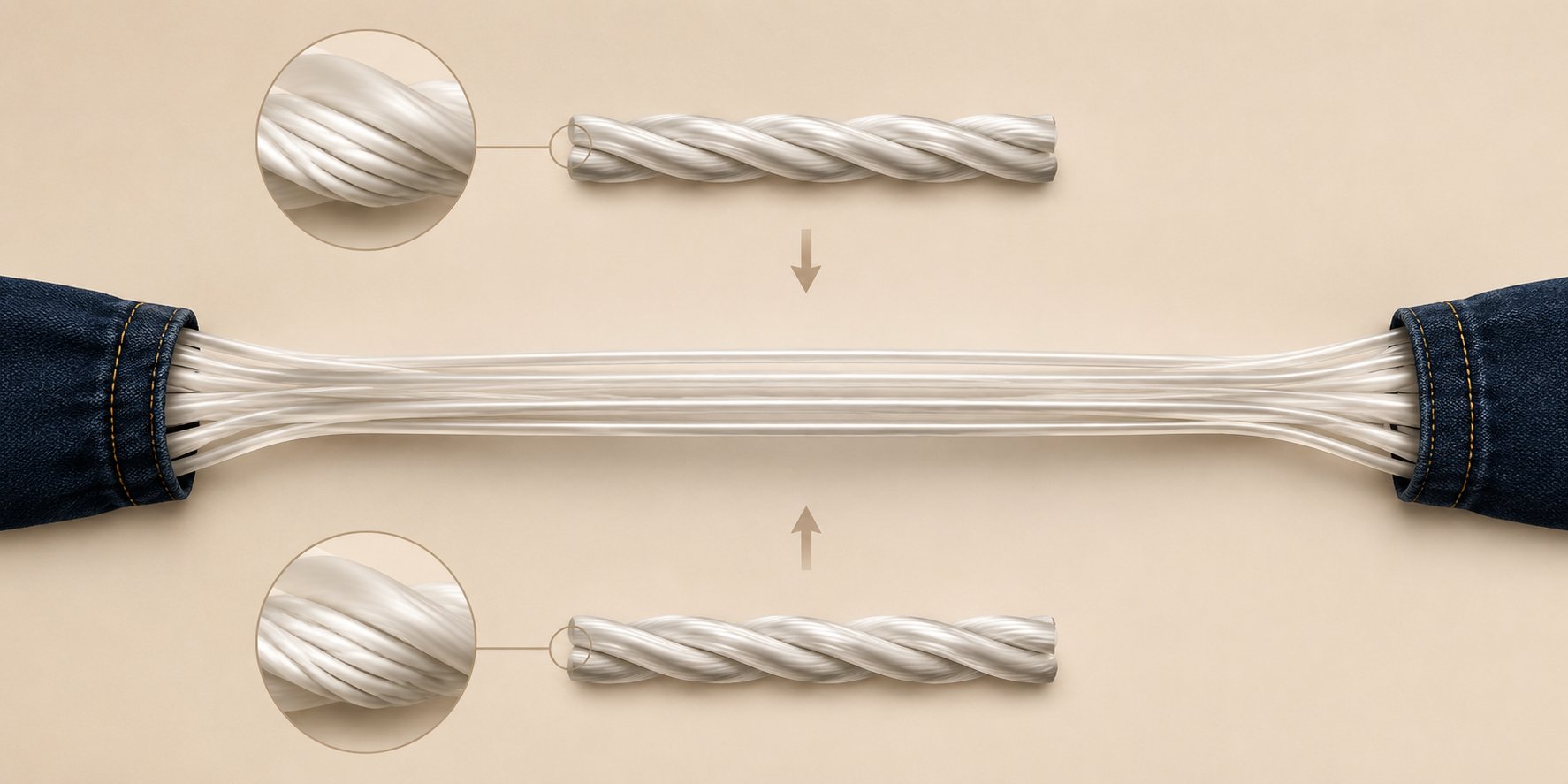
Most jeans now have spandex1 for comfort, fit, and shape retention. Adding just a small percentage (1-5%) of this elastic fiber allows the rigid cotton denim to stretch with your body2, preventing bagginess3 and making form-fitting styles more comfortable.
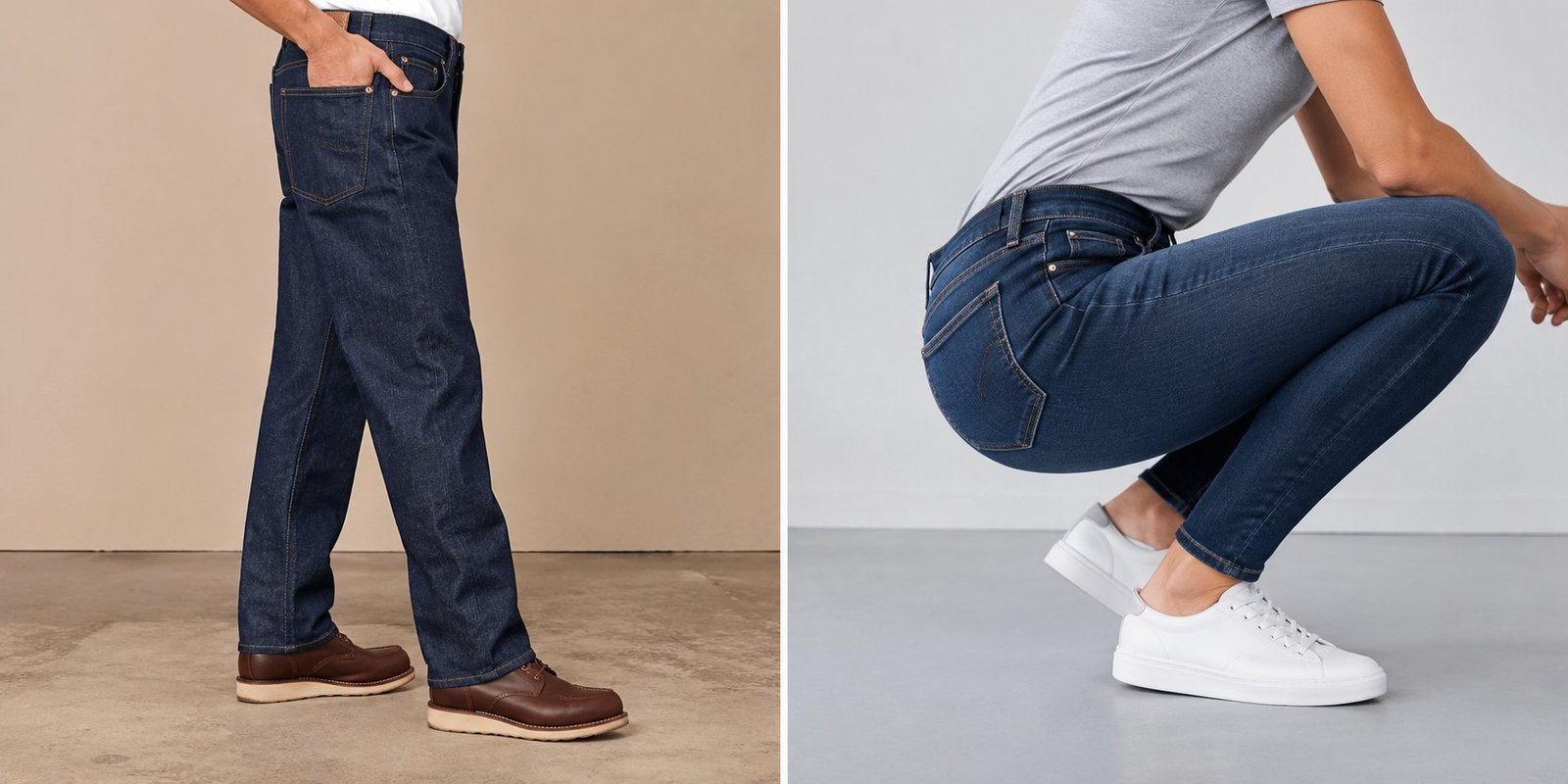
In my twenty years of making jeans, the rise of spandex has been the biggest change in the industry. It completely transformed what people expect from their denim. What used to be a stiff, rugged work pant is now often a comfortable, everyday staple. For a designer like you, understanding the why behind stretch is crucial. It’s not just about a single ingredient; it’s about meeting a fundamental customer need. Let's look at why this little bit of elastic has become so dominant.
Why are all jeans stretchy now?
You walk into a store, and it seems like every single pair of jeans has stretch. It's a huge change from the past. I'll explain why this shift happened.
Jeans are stretchy now because consumers demand comfort4. Stretch fibers like spandex (or Lycra)5 allow for the popular skinny and slim fits without restricting movement. This innovation made jeans as comfortable as leggings, and the market never looked back.
Dive Deeper: The Comfort Revolution
The main reason is simple: comfort sells. Pure, 100% cotton denim is tough and durable, but it's also rigid6 and can feel restrictive. Adding just 1-5% spandex gives the fabric a forgiving stretch that moves with the body. You can squat, sit for hours, and climb stairs without feeling like your jeans are fighting you. This completely changed the game, especially for slimmer fits.
Beyond comfort, spandex provides incredible shape retention. Old-school cotton jeans can get baggy in the knees and seat after just a few hours of wear. The elastic properties of spandex help the fabric snap back into place, so the jeans look fresh even at the end of the day. From a manufacturing perspective, it's a balance. We work to find the perfect percentage that provides comfort without making the fabric feel weak or synthetic.
| Feature | 100% Cotton Jeans | Stretch Jeans (Cotton + Spandex) |
|---|---|---|
| Initial Comfort | Stiff, requires a break-in period | Soft and comfortable from the first wear. |
| Movement | Restrictive, خاصة when new | Unrestricted, moves with your body. |
| Shape Retention | Prone to bagging out at knees/seat | Excellent; snaps back to its original shape. |
| Fit | Molds to your body over weeks/months | Hugs your body's curves immediately. |
Does anyone make jeans without spandex?
You miss the feeling of substantial, old-school denim. You're tired of stretch. Is it even possible to find 100% cotton jeans anymore? The answer is yes.
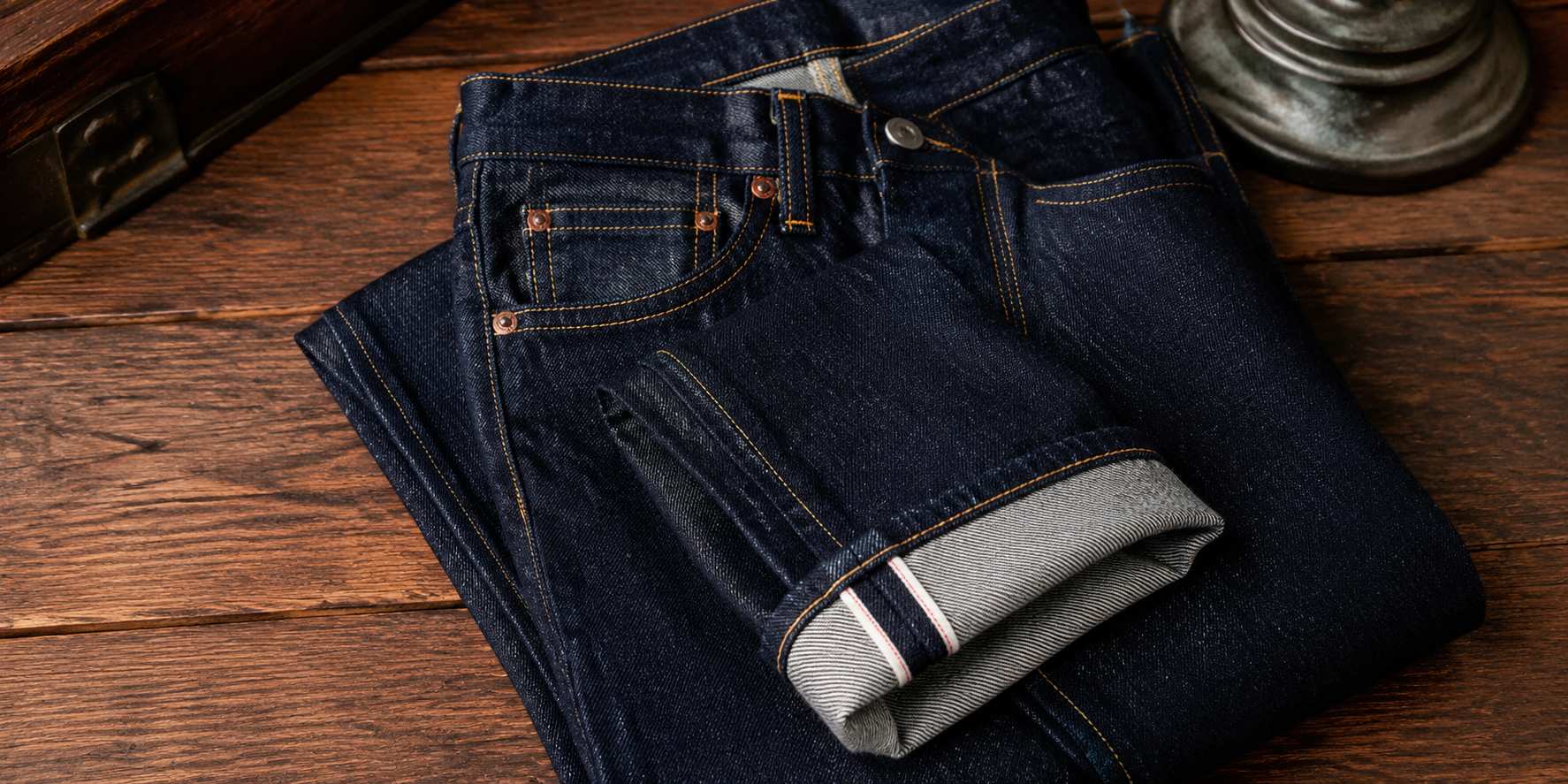
Yes, many brands still make 100% cotton jeans. These are often called "raw" or "selvedge" denim and are aimed at denim enthusiasts who value durability, traditional craftsmanship, and the way non-stretch denim fades and molds to their body over time.
Dive Deeper: The Enduring Appeal of Pure Cotton
While the mass market is dominated by stretch, a dedicated community of denim lovers keeps 100% cotton alive and well. For them, jeans are a project. They buy their denim "raw"—unwashed and untreated—and wear it for months to break it in. The reward is a pair of jeans that fits them perfectly, with unique fades and creases that tell the story of their life. It's a completely personal garment.
As a manufacturer, making this kind of denim is a different art form. It's about celebrating the fabric in its purest state. The focus is on the quality of the cotton, the weight of the fabric, and the durability of the construction. You can identify these jeans by checking the tag for "100% Cotton." If you're designing for this market, you understand that your customer is willing to trade initial comfort for long-term character and authenticity. It’s a powerful niche.
Why does Gen Z hate skinny jeans?
For a decade, skinny jeans with lots of stretch were king. Now, the new generation wants something different. This sudden shift can be confusing, but it makes perfect sense.
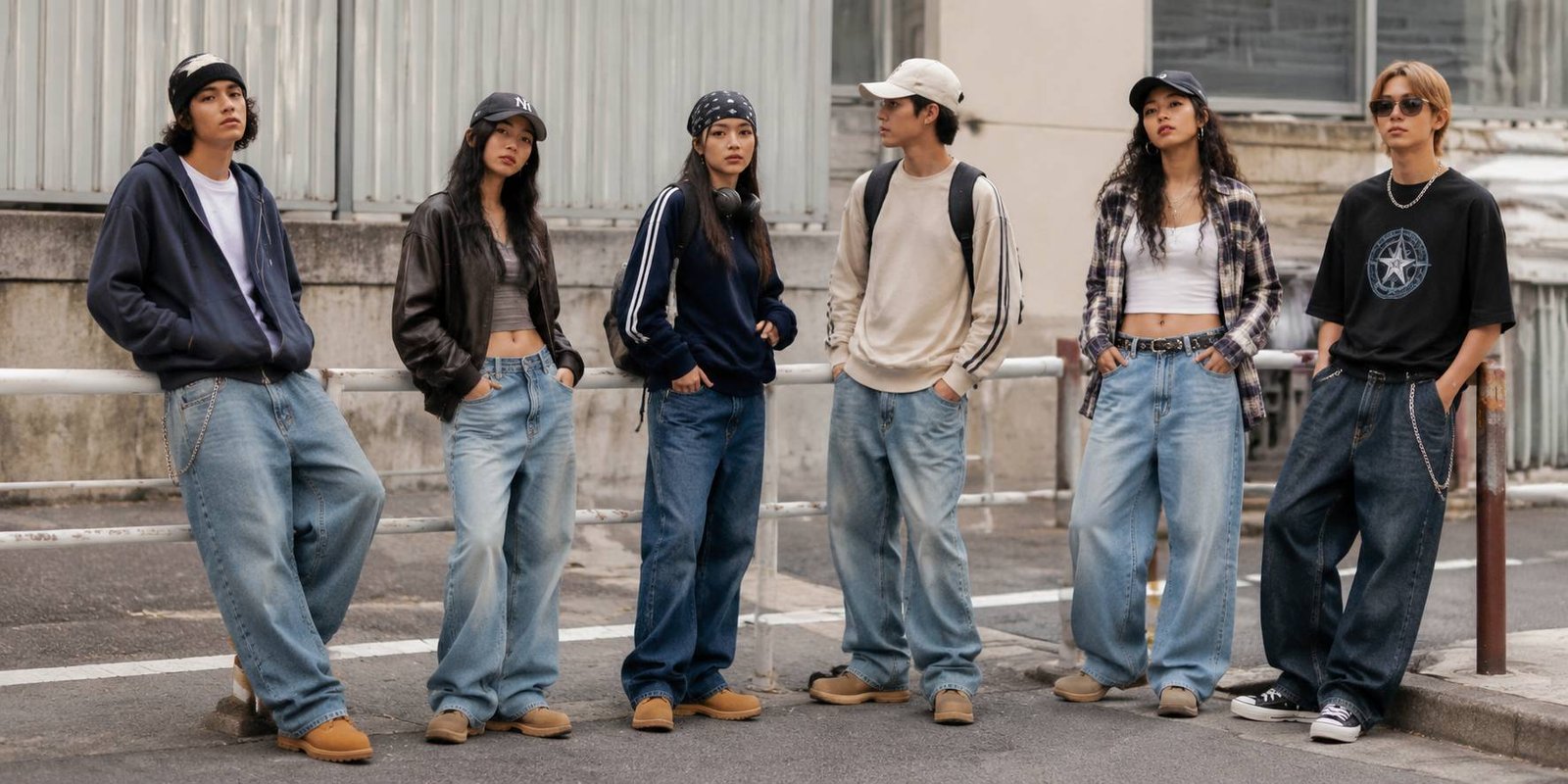
Gen Z doesn't hate skinny jeans, but they prioritize comfort and looser silhouettes. Styles like baggy, straight, and flare jeans, often made from 100% cotton or with less stretch, offer more freedom and align with '90s and Y2K fashion revivals.
Dive Deeper: A New Definition of Comfort
The rebellion against skinny jeans is also a rebellion against the need for high-stretch fabrics. Gen Z rediscovered that comfort doesn't have to come from spandex; it can come from the cut of the garment. A loose, baggy jean made from 100% cotton can be incredibly comfortable because it doesn't constrict the body at all. It gives you complete freedom of movement.
This trend is exciting for me as a denim maker because it brings the focus back to the fabric itself. With wider fits, the drape and texture of the denim become the main event. A beautiful, sturdy non-stretch fabric hangs in a way that a thin, stretchy one simply can't. It's a return to appreciating denim for its inherent character. So while some see it as hating on skinny jeans, I see it as broadening the definition of what a comfortable, stylish jean can be.
What is the 2 finger rule for jeans?
You're trying to perfect the fit, but it's tough to get right. How do you know when the waist is perfect? This simple trick is a classic for a reason.
The two-finger rule is a quick fit test for the waistband. You should be able to slide two fingers snugly between your waist and the waistband. This ensures the jeans have enough ease for comfort without being too loose and falling down.

Dive Deeper: How the Rule Changes with Fabric
This simple rule is universal, but it means slightly different things for stretch and non-stretch denim. For jeans with spandex, the two-finger rule is about ensuring all-day comfort. The stretch provides forgiveness, but this test confirms the waistband won't dig into you after a big meal or a long day of sitting. It's a guard against discomfort.
For 100% cotton jeans, this rule is absolutely critical. Since there is zero give in the fabric, that little bit of extra space is your only room for movement. If you can't get two fingers in, the jeans will be genuinely painful to wear. This space also accounts for the slight shrinkage that can happen after a wash. For a designer like you, it's vital to know how the fabric you choose will impact the final fit. Educating your customers on this rule can drastically reduce returns and build trust in your brand's sizing.
Conclusion
Spandex revolutionized jeans by adding comfort to the equation. But the classic 100% cotton jean endures for its character. Ultimately, the choice between stretch and rigid depends entirely on the fit and feeling you want.
-
"Spandex Market Size & Growth Analysis Report, 2032", https://www.persistencemarketresearch.com/market-research/spandex-market.asp. A textile-market or apparel-research source can document the widespread adoption of elastane-containing denim in contemporary jeans, supporting the claim that stretch blends are common in the category. Evidence role: statistic; source type: research. Supports: Most jeans now have spandex for comfort, fit, and shape retention.. Scope note: Such sources may support broad prevalence without proving that a majority of all jeans worldwide contain spandex. ↩
-
"Low-bagging (growth) stretch denim yarn production by spinning ...", https://pmc.ncbi.nlm.nih.gov/articles/PMC9988486/. A textile-science source on cotton–elastane denim can support that low elastane percentages are commonly used to increase fabric extensibility and recovery in denim constructions. Evidence role: mechanism; source type: paper. Supports: Adding 1–5% spandex allows rigid cotton denim to stretch with the body.. Scope note: The exact performance depends on yarn structure, weave, finishing, and garment construction, so the percentage range alone does not determine stretch behavior. ↩
-
"Low-bagging (growth) stretch denim yarn production by spinning ...", https://pmc.ncbi.nlm.nih.gov/articles/PMC9988486/. Research on elastane-containing denim can show that elastane improves stretch recovery and dimensional stability, which is the textile mechanism behind reduced bagging after wear. Evidence role: mechanism; source type: paper. Supports: Spandex helps prevent bagginess in jeans by improving recovery.. Scope note: The source would support the mechanism generally, not guarantee that every stretch jean prevents bagging in use. ↩
-
"[PDF] Implications for Denim Jeans Design", https://jtatm.textiles.ncsu.edu/index.php/JTATM/article/download/845/909/6531. Consumer-apparel research can support that comfort is a major purchase driver in casualwear and denim, giving context for the industry's shift toward stretch fabrics. Evidence role: statistic; source type: research. Supports: Jeans are stretchy now because consumers demand comfort.. Scope note: Consumer-preference findings may vary by country, age group, and survey year. ↩
-
"Threading Your Way Through the Labeling Requirements Under the ...", https://www.ftc.gov/business-guidance/resources/threading-your-way-through-labeling-requirements-under-textile-wool-acts. An authoritative textile reference can define spandex as an elastomeric fiber and note that Lycra is a trade name for such fibers, supporting the terminology used in the article. Evidence role: definition; source type: encyclopedia. Supports: Spandex, also marketed under the Lycra name, is a stretch fiber used in garments.. Scope note: A definition source clarifies terminology but does not by itself establish how commonly the fiber is used in jeans. ↩
-
"Fabrication and characterization of stretchable denim fabric using ...", https://pmc.ncbi.nlm.nih.gov/articles/PMC8646987/. Textile references on cotton denim can support that conventional denim is a durable woven cotton twill and that woven cotton fabrics have limited inherent stretch compared with elastane blends. Evidence role: definition; source type: education. Supports: 100% cotton denim is durable but comparatively rigid.. Scope note: Durability and rigidity vary with yarn, weave density, fabric weight, and finishing. ↩