
You see them everywhere, on everyone, but do you know their story? This simple garment has a powerful history. I'll explain how it went from humble workwear to a global fashion icon.
Jeans became popular worldwide by combining rugged utility with powerful cultural symbolism. Originally tough workwear for miners1, Hollywood stars and cultural rebels transformed them into an icon of freedom and independence2, making them a fashion staple for everyone.
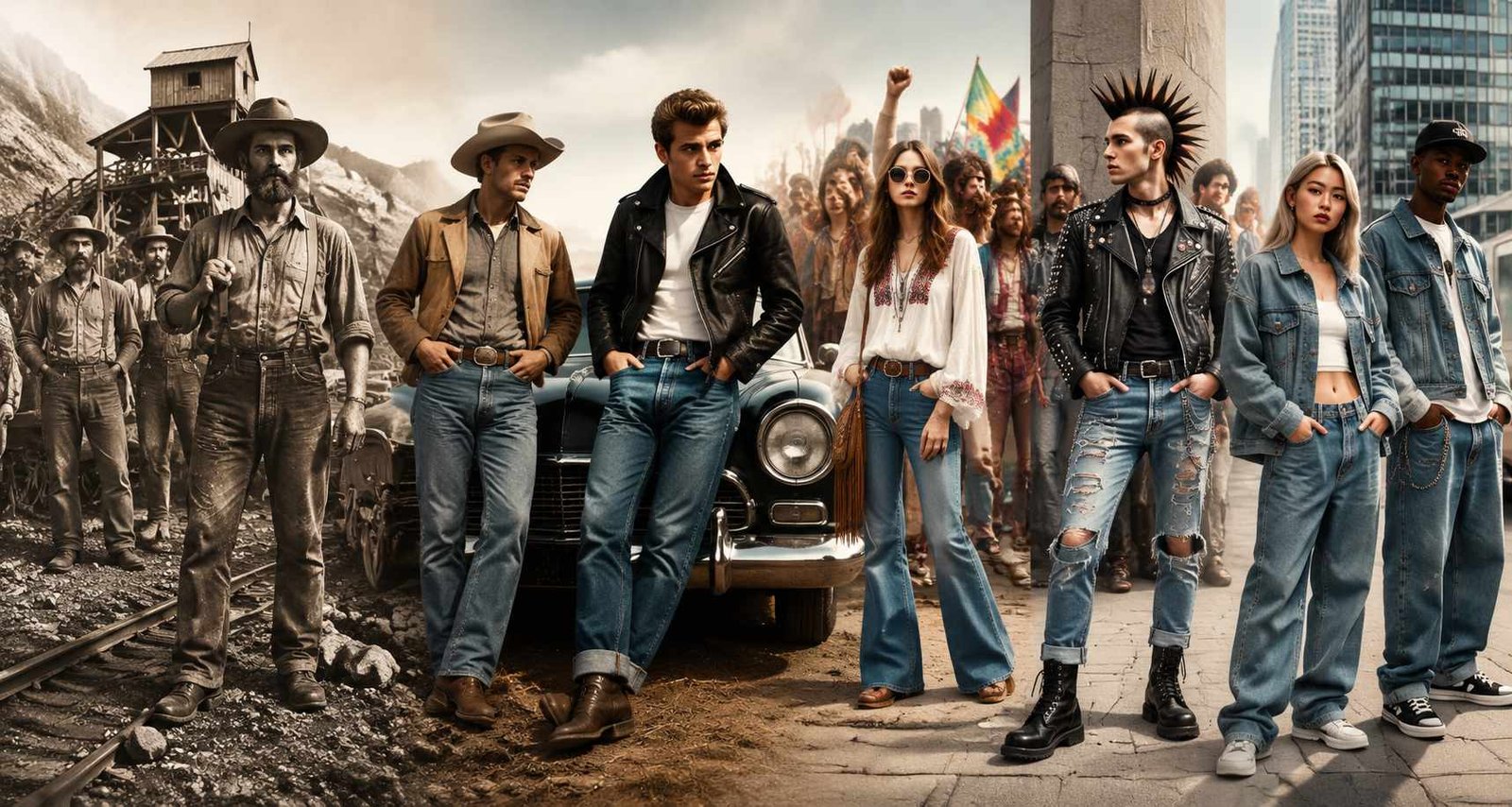
Every day in my factory, DiZNEW, I handle denim. But I'm not just making pants; I'm continuing a legacy that started over 150 years ago with miners looking for something that wouldn't fall apart. For a designer like you, Dean, understanding this journey from pure function to high fashion is the key to knowing why certain styles resonate with people today. Let's dive into some of the questions that connect this incredible history to the modern market.
Why does Gen Z love baggy jeans so much?
Skinny jeans ruled the world for over a decade. Now, baggy silhouettes are everywhere you look. I'll explain why Gen Z has completely embraced this comfortable and nostalgic look.
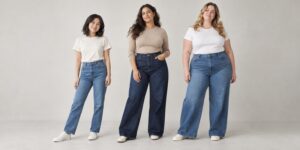
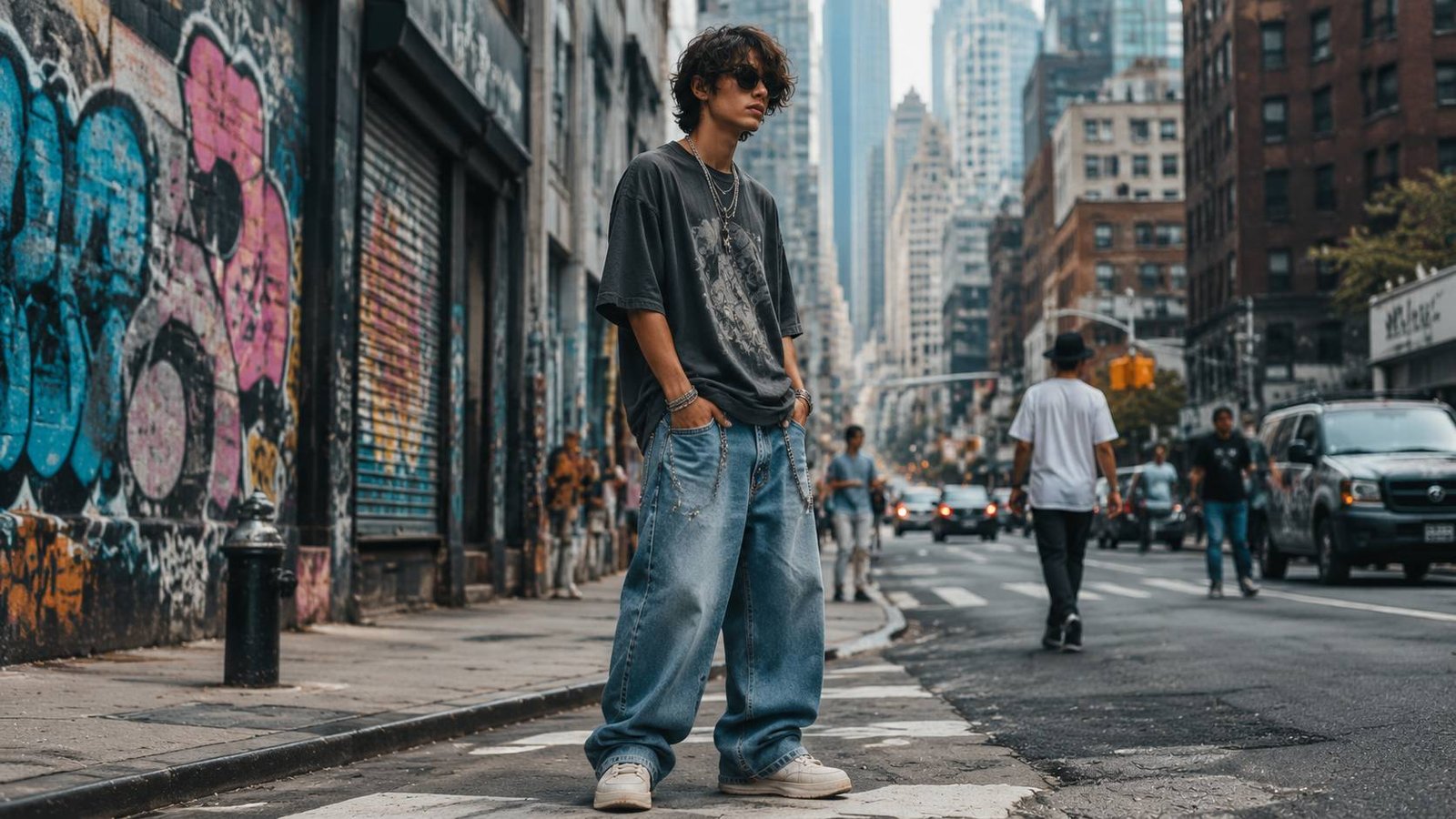
Gen Z loves baggy jeans for their comfort, gender-fluid appeal, and throwback to 90s fashion. The loose fit is a rebellion against the restrictive silhouettes of the past, prioritizing personal comfort over conforming to a specific body type.
Dive Deeper: The Cycle of Rebellion and Comfort
From my factory floor, I see fashion as a pendulum. For every action, there's a reaction. The tight, body-hugging skinny jean dominated the Millennial era. Gen Z is simply swinging the pendulum in the other direction. This isn't just a trend; it's a cultural statement. First, it's a rebellion. Just as James Dean's generation used jeans to rebel against their parents' formal wear3, Gen Z is using baggy jeans to reject the slick, body-conscious aesthetic of the 2010s.
Second, it's about comfort. The world changed after 2020, and people started valuing comfort above all else4. Baggy jeans are the perfect bridge between loungewear and streetwear. Finally, the style is inclusive. A loose silhouette fits a wider range of body types and doesn't conform to traditional gender norms, which aligns perfectly with Gen Z's values. It’s not just a trend; it's a reflection of a generation's priorities.
| Driver | Cultural Connection |
|---|---|
| Comfort | A post-pandemic shift towards prioritizing ease of wear. |
| Rebellion | A direct reaction against the tight Millennial skinny jean aesthetic. |
| Nostalgia | Revival of 90s and early 2000s skate and hip-hop culture5. |
| Inclusivity | A gender-fluid silhouette that fits diverse body types. |
What is the 2 finger rule for jeans?
You can design the most amazing jeans, but if the fit is wrong, they just won't work. A bad waistband fit can ruin an otherwise perfect pair, so here's a simple trick.
The two-finger rule is a quick test for your waistband fit. You should be able to slide two fingers snugly between your waist and the waistband. This ensures the jeans are comfortable but won't sag down as you wear them.

Dive Deeper: Why a Good Fit Was Key to Popularity
This simple rule is more important than it sounds. It gets to the heart of why jeans became so popular in the first place: they are wearable. Think back to the original miners and cowboys. Their pants had to be functional above all else. A waistband that was too tight would be agonizing during a long day of physical labor. One that was too loose would require constant adjustment. The perfect fit was essential for practical, all-day wear.
As jeans moved from workwear to fashion, this principle of wearability remained. Jeans didn't become a global staple because they were just tough; they became a staple because they were comfortable enough for anyone to wear, anywhere. The two-finger rule is the modern-day expression of that founding principle. It guarantees a baseline of comfort and function, whether you're designing a high-rise, mid-rise, or low-rise jean. Without that perfect fit, jeans would have never made the leap from the work site to the everyday wardrobe.
Are jeans going to be out of style by 2026?
Worried that the global obsession with denim might finally be ending? It's a valid concern for any designer in the world of fast fashion. I'll explain why jeans are a perpetually safe bet.
No, jeans will not be out of style in 20266. While specific cuts like skinny or baggy will cycle in and out of fashion, denim itself is a timeless staple. Its amazing versatility and ability to be constantly reinvented ensures its permanent place in fashion.
Dive Deeper: The Ultimate Fashion Canvas
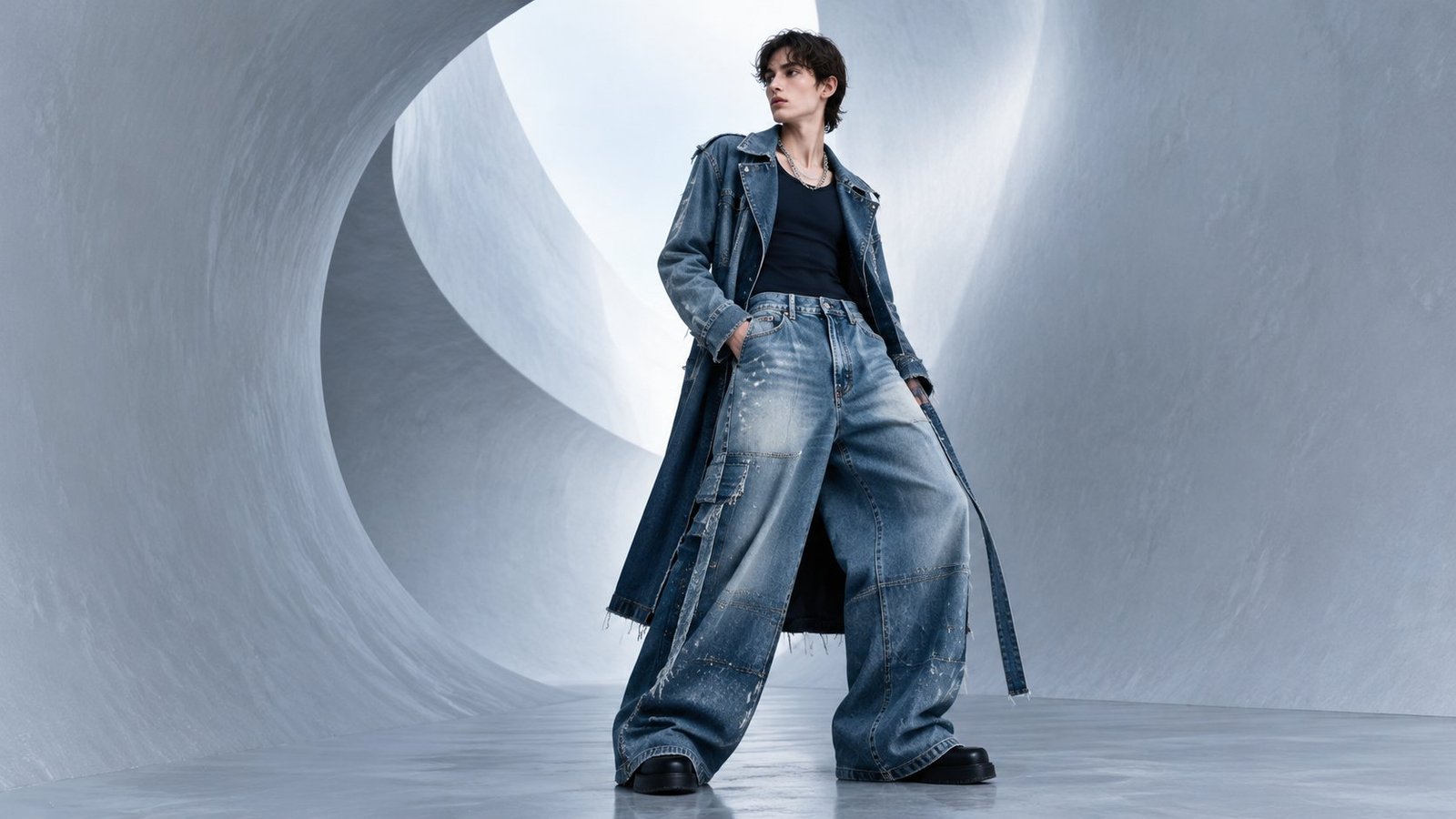
In my two decades in this business, I’ve heard predictions of denim's death many times, especially with the rise of athleisure. It has never happened. The reason is simple: jeans are not a single item. They are a canvas. No other fabric is as versatile. As a manufacturer, I can take the same basic material and transform it into a thousand different products.
We can change the fit, from skinny to bootcut to baggy. We can change the wash, from dark raw indigo to bleached-out white to any color imaginable. We can change the weight and feel, from stiff selvedge to soft, stretchy blends. We can add distressing, embroidery, or prints. Because of this, jeans can adapt to any trend, any season, and any generation. They are a chameleon. So while the popular style of jean will definitely be different in 2026 than it is today, the category of jeans itself will be as strong as ever. It's the most reliable category in modern fashion.
What country wears the most jeans?
Ever wonder where in the world jeans are the most popular? As a designer with global ambitions, knowing your biggest and most influential markets is crucial. I’ll reveal the heavyweight champion of the denim world.
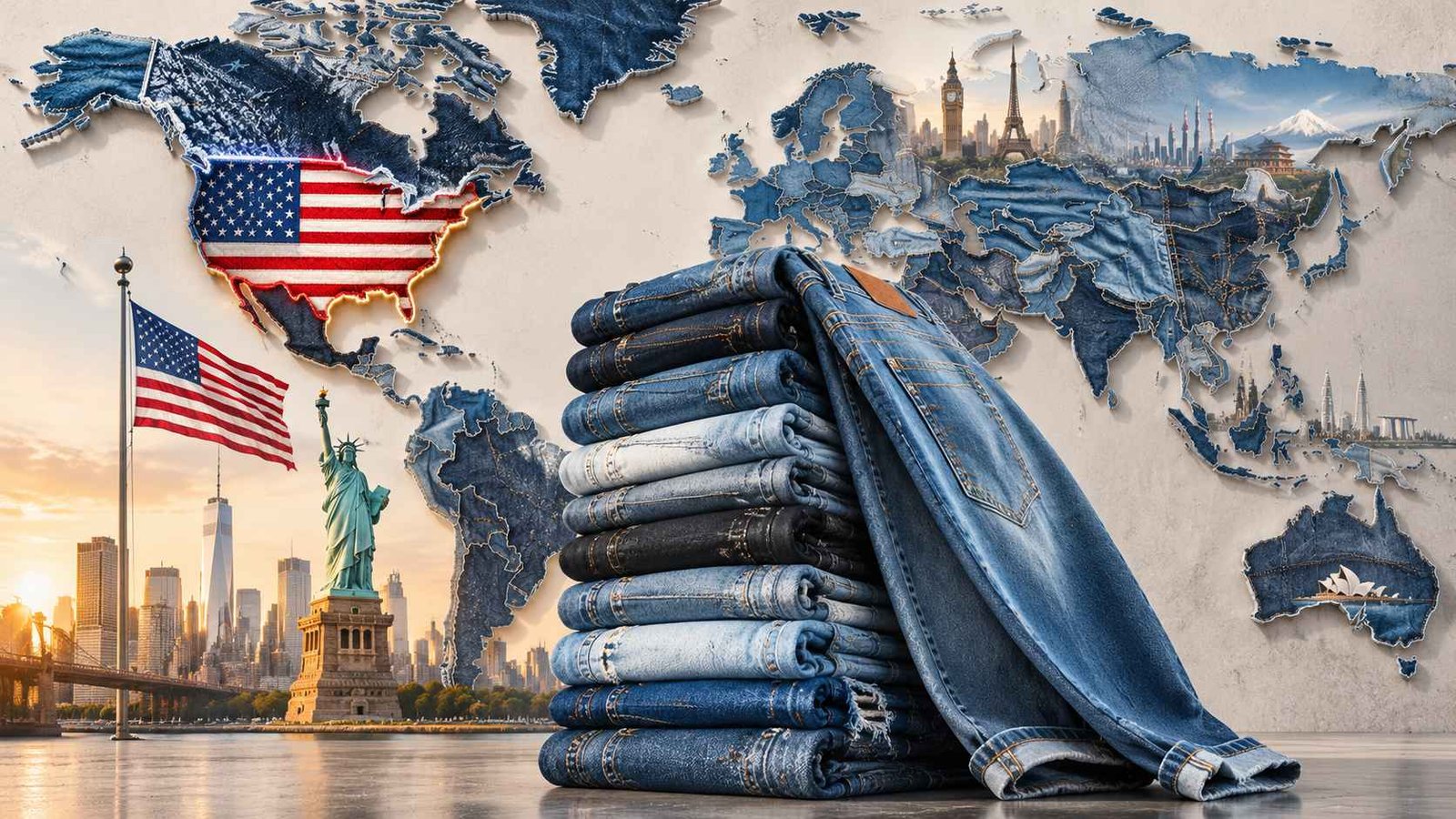
The United States wears the most jeans, both in total numbers and per person. As the birthplace of denim, jeans are deeply woven into American culture and personal style, making it the largest and most influential denim market in the world.
Dive Deeper: A Global Denim Landscape
The United States is the undisputed king of denim. It's where the story began, and the garment is synonymous with the American identity, from cowboys to rock stars. The US market is huge and sets many of the global commercial trends. But for a designer like you, Dean, it's important to look at the other key players.
Europe, especially Italy and the Netherlands, is a hub for high-fashion denim. European brands are masters at creating luxurious, fashion-forward jeans that often end up on the runway. The style is more polished and sophisticated.
Then there’s Asia, led by Japan. The Japanese market is obsessed with quality and authenticity. They perfected the art of selvedge denim and vintage reproduction. If you want to see the pinnacle of denim craftsmanship, you look to Japan. South Korea is another critical market, known for being extremely fast-paced and trend-driven, often predicting what styles will become popular next. Understanding these regional differences is key to becoming a truly global denim brand.
Conclusion
From a rugged miner’s necessity to a global fashion statement, jeans endure because they are the ultimate blank canvas, constantly reinvented by each new generation to express its own identity.
-
"Levi Strauss Jeans | Smithsonian Institution", https://www.si.edu/collections/snapshot/levi-strauss-jeans. A historical encyclopedia source on Levi Strauss and early blue jeans documents their origin as durable riveted work trousers associated with nineteenth-century laborers, including miners. Evidence role: historical_context; source type: encyclopedia. Supports: Jeans began as durable workwear for miners.. Scope note: Such sources usually support the workwear origin broadly, rather than proving that miners were the only or primary early users. ↩
-
"James Dean - Wikipedia", https://en.wikipedia.org/wiki/James_Dean. A cultural history source documents the association of jeans with mid-twentieth-century film stars and youth rebellion, supporting the claim that cinema and countercultural identity helped shift jeans from workwear to symbolic fashion. Evidence role: historical_context; source type: education. Supports: Hollywood figures and rebels helped turn jeans into symbols of freedom and independence.. Scope note: The source can support the cultural association, but it cannot quantify the exact causal weight of Hollywood versus other influences. ↩
-
"Tag: James Dean - Fashion History Timeline", https://fashionhistory.fitnyc.edu/tag/james-dean/. A film or fashion-history source identifying James Dean and mid-century youth culture with denim and rebellion supports the comparison between jeans and anti-establishment style. Evidence role: historical_context; source type: education. Supports: James Dean's generation associated jeans with youth rebellion against more formal norms.. Scope note: The source can substantiate the symbolism of jeans in youth rebellion, but the phrase about parents' formal wear is a simplified cultural interpretation. ↩
-
"Fashion consumption during COVID-19 - PMC - NIH", https://pmc.ncbi.nlm.nih.gov/articles/PMC8942574/. Post-pandemic consumer and apparel research documents increased demand for casual, comfortable clothing after 2020, providing context for the article's claim about comfort becoming a higher clothing priority. Evidence role: statistic; source type: institution. Supports: After 2020, consumers placed greater value on comfort in clothing choices.. Scope note: Such research supports a broad shift toward comfort and casualwear, not necessarily the absolute phrase 'above all else.' ↩
-
"Fresh, Fly, and Fabulous: Fifty Years of Hip Hop Style", https://www.fitnyc.edu/museum/exhibitions/hip-hop-style/index.php. A fashion-history or cultural-studies source describing the loose denim silhouettes of 1990s skate and hip-hop styles supports the claim that current baggy jeans reference those subcultures. Evidence role: historical_context; source type: education. Supports: Baggy jeans draw on 1990s and early-2000s skate and hip-hop style references.. Scope note: The source can establish the historical style association, but it may not directly measure its influence on today's trend. ↩
-
"Denim Jeans Market Size, Share, Trends, Forecast 2034", https://www.fortunebusinessinsights.com/denim-jeans-market-116184. A denim market forecast showing continued global demand for jeans through 2026 would support the claim that jeans remain commercially relevant in that year. Evidence role: statistic; source type: research. Supports: Jeans are expected to remain in demand and commercially relevant through 2026.. Scope note: Market forecasts support expected category demand, not a definitive guarantee that jeans will be fashionable for every consumer segment. ↩