Skip to content

Getting your unique denim color effects right is tough. You worry a factory won't get your vision. Asking the right technical questions is the key to perfect execution.
Ask about their specific process combinations, like indigo with sulfur dyeing1. Inquire about color fastness and quality control to ensure consistency. Also, check environmental compliance, costs, and production timelines. This ensures your custom jeans are made perfectly and responsibly.
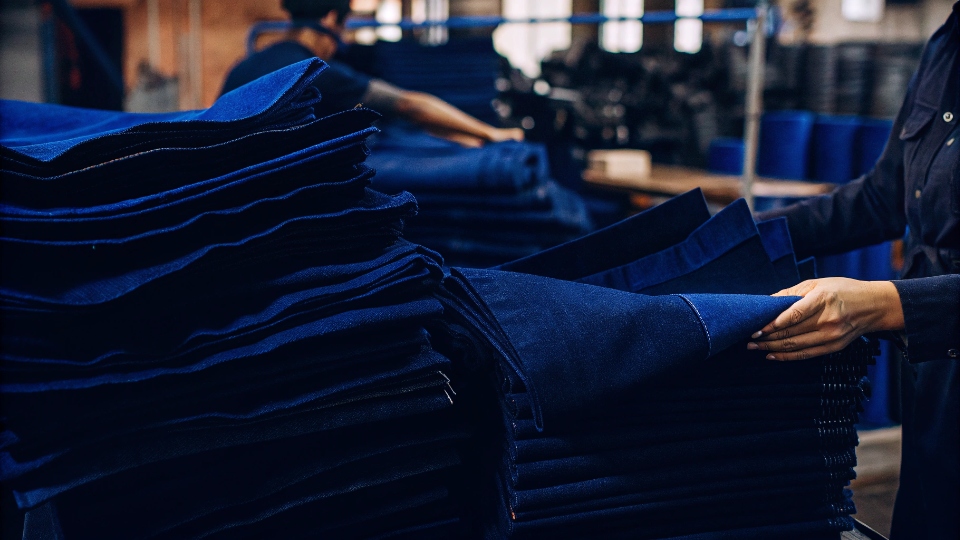
Over my 20 years in denim, I've seen many brilliant designs fail due to poor communication about dye techniques.
A great idea needs a great manufacturing partner who understands the technical details. As a designer, you know the look you want, but getting that from a sketch to a finished garment requires asking specific, targeted questions.
You need to dig deeper to find a partner who can be a true technical collaborator. Let's break down the essential questions you need to ask to protect your design and your brand.
Which methods best achieve my desired color gradients?
You envision a perfect gradient, a unique multi-tonal look. But you are unsure how to explain it technically. You fear the final jeans will look flat or blotchy.
Ask about combining traditional indigo rope dyeing2 with over-dyeing techniques like sulfur or reactive dyes. For fading, inquire about their ozone and laser processes3. This combination offers precise control over gradients and multi-tonal effects while preserving the denim's character.
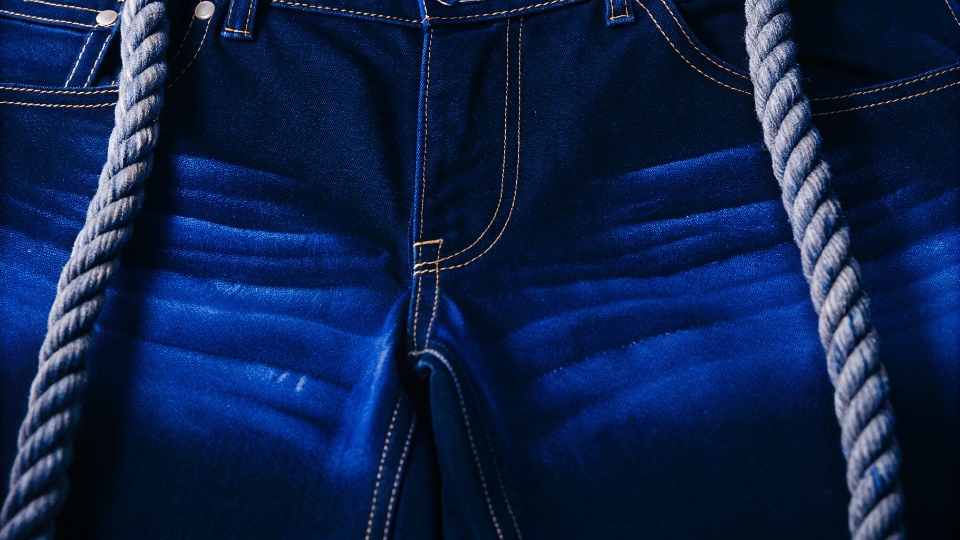
To get depth and unique colors, you need to understand how different dye processes interact. Just saying you want a "gradient" isn't enough. You need to ask about the specific combinations a factory uses. In my factory, we often create complex looks by layering processes. For example, a common request is a dark blue with brown or olive undertones.
We achieve this by first using classic indigo dyeing and then applying a sulfur over-dye. The sequence and number of dips are critical here. For softer, more natural-looking fades, we rely on technology like ozone processing and laser engraving.
These methods give us amazing control without using harsh chemicals. When you talk to a supplier, ask for specific examples of their combined dye work. A good partner will be able to show you finished garments and explain exactly how they achieved the effect.
| Technique Combination | Typical Result | Best For |
|---|---|---|
| Indigo + Sulfur Dye | Deep, rich base with earthy (brown, green, grey) undertones. | Creating vintage, worn-in looks with multi-tonal depth. |
| Indigo + Ozone Fade | Natural, sun-bleached highs and lows with high contrast. | Eco-friendly fading that mimics real wear patterns. |
| Indigo + Laser Engraving | Precise, detailed patterns and fades; can remove color selectively. | Graphic-heavy designs, complex whiskers, and honeycombs. |
For stretch denim, always ask if their process will damage the elastic fibers. High heat from some dye processes can be a problem, but experienced factories know how to manage temperatures to protect the fabric's integrity.
How do they prevent overlap on adjacent denim areas?
You worry about sloppy application, where dyes bleed into each other or create ugly blotches. This can ruin the sharpness of your design and make the final product look cheap.
A good factory uses precise masking techniques, careful sequencing of dye and wash processes, and controlled application methods. For example, they might apply a sulfur dye first, then use laser engraving to selectively remove color, ensuring clean lines.
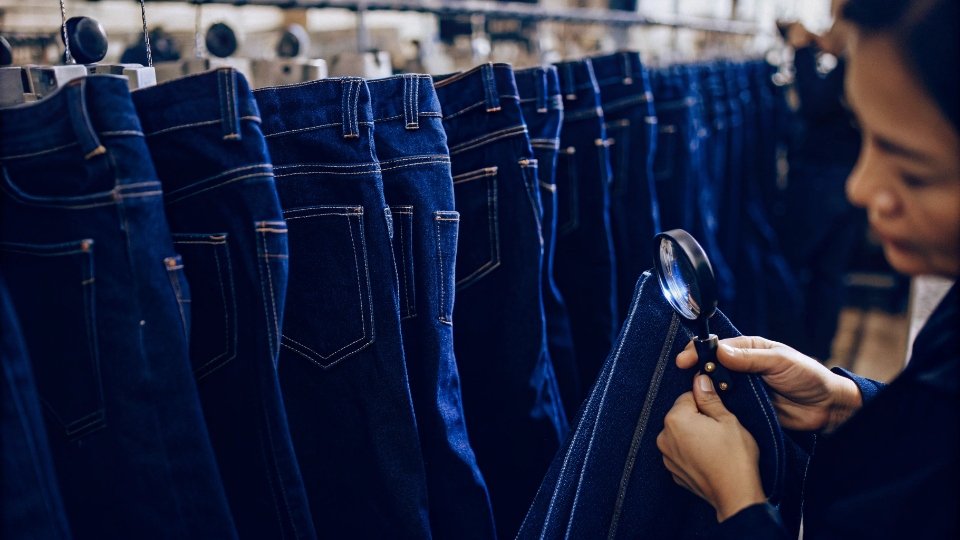
Achieving clean separation between different colors or treatments all comes down to process control. It's not magic; it's meticulous, repeatable science. The first thing to ask about is process sequence.
The order of operations is everything. A factory might dye the whole garment and then use lasers to precisely burn away color for a pattern, which creates very sharp lines.
Or, for different colored panels, they might use masking techniques to protect one area while another is being treated. You should also ask how they control batch-to-batch consistency.
In my factory, we use computerized dye recipes4 and spectrophotometers. This technology allows us to measure color digitally and ensure that the 1000th pair of jeans perfectly matches the approved master sample.
Ask for their color fastness test reports5. This shows they are serious about quality. These tests measure how well the color holds up to washing, rubbing, and light. Make sure they test to international standards like ISO or AATCC.
This proves the color won't bleed onto a white sofa or fade dramatically after one wash. A truly professional partner will document every step and have a strict quality assurance protocol to prevent color spots, unevenness, and bleeding.
Can I approve lab-dipped swatches6 before bulk order?
You are signing off on a huge order without seeing the final color. This is a massive risk. You need physical proof that the factory has nailed your color before production begins.
Yes, and you must insist on it. A reliable manufacturer will provide physical "lab dip" swatches for every color in your design. This is a standard and critical step to guarantee color accuracy before any bulk production starts.
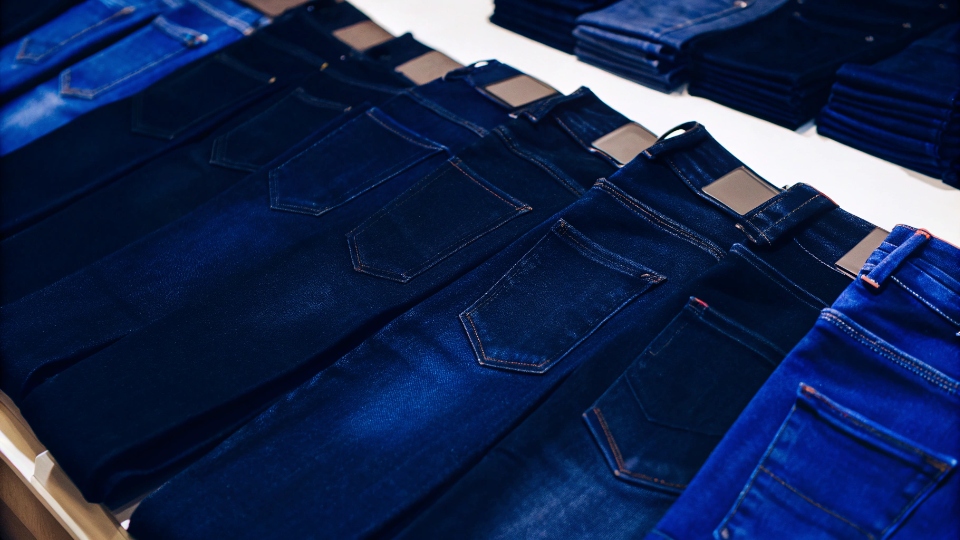
Never, ever approve a color based on a screen. Lab dips are non-negotiable. The process is straightforward. You provide a Pantone color code or a physical piece of fabric.
The factory's lab then creates several small swatch options, usually labeled A, B, and C, that are slight variations around your target. They send these to you for physical approval.
This simple step eliminates almost all risk of getting the color wrong. Once you approve a lab dip, that swatch becomes the bible for your production run. Ask how long it takes to get lab dips and what the cost is. This should be a standard part of their development process.
But don't stop there. After approving the lab dip, you should also require a full pre-production sample. This is a complete garment made with the final fabric and the approved dye recipe.
It confirms how the color looks on the finished product, with all its seams, washes, and textures. This sample, along with your approved lab dip, becomes the gold standard.
Every single piece in the bulk order should be checked against it. Also, ask about after-sales support. If a quality problem happens, what is their solution? A great partner will stand behind their work, whether it means reworking the items or providing compensation.
What environmental controls manage dye runoff?
You want to create beautiful jeans, but not at the expense of the planet. You worry about hidden environmental damage from your production partners, which could harm your brand's reputation.
Ask about their wastewater treatment plant7 and for certifications like ZDHC (Zero Discharge of Hazardous Chemicals). Inquire if they use eco-friendly tech like ozone washing, laser finishing, or foam dyeing to reduce water and chemical usage.
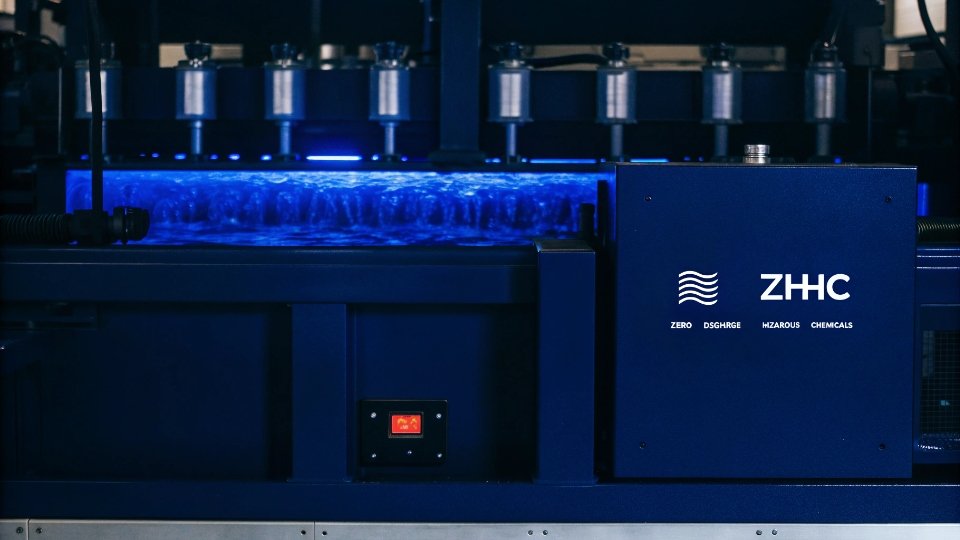
Responsible manufacturing is no longer optional. Your customers care, and so should you. Start by asking about the dyes themselves.
Are they AZO-free and compliant with international standards like the EU's REACH regulations? Ask for certifications for the dyes they use. A good factory will have this documentation ready. The next big topic is water.
Traditional denim dyeing uses a huge amount of water and creates a lot of wastewater. Ask them if they have a wastewater treatment facility on-site. Better yet, ask what modern, eco-friendly technologies they have invested in.
At my factory, we've invested heavily in this area. We use technologies that drastically reduce our environmental footprint. These include:
- Ozone Washing: We use ozone gas to bleach jeans, which creates beautiful fades with minimal water and zero harsh chemicals.
- Laser Finishing: Instead of using chemical sprays for whiskers and fades, we use high-power lasers to etch patterns directly onto the denim. It's precise, water-free, and chemical-free.
- Closed-Loop Systems: For some dyeing processes, we have systems that recycle and reuse water, dramatically cutting consumption.
Ask if they can meet the environmental standards for your import region, whether it's the US or the EU. A responsible factory owner sees this not as a cost, but as an investment in the future and a commitment to their clients. It ensures your products are not only high-quality but also made with integrity.
Conclusion
Asking detailed questions about process, quality, sampling, and eco-compliance is vital. This ensures your vision for custom jeans is perfectly executed by a capable and responsible manufacturing partner.
-
Understanding this process can help you achieve unique denim colors and effects. ↩
-
Discover this classic technique to create rich, deep denim colors. ↩
-
These methods can provide unique fading effects while being eco-friendly. ↩
-
This technology ensures your denim colors are consistent across batches. ↩
-
These reports verify the durability of your denim's color against wear. ↩
-
Lab dips are crucial for confirming your color choices before production. ↩
-
Understanding wastewater management is key to responsible production. ↩