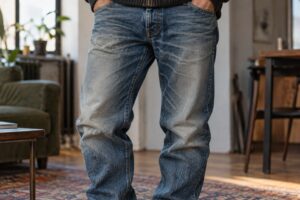

You pull on your favorite jeans, only to find a rip that wasn't there before. It's frustrating when denim wears out so fast, making your investment feel like a waste.
Jeans rip from a combination of fabric stress, friction, and improper care. High-cotton denim has less give, pre-distressed areas are weaker, and high-friction spots like the crotch and knees wear out fastest. A tight fit and frequent hot washes also accelerate the damage.
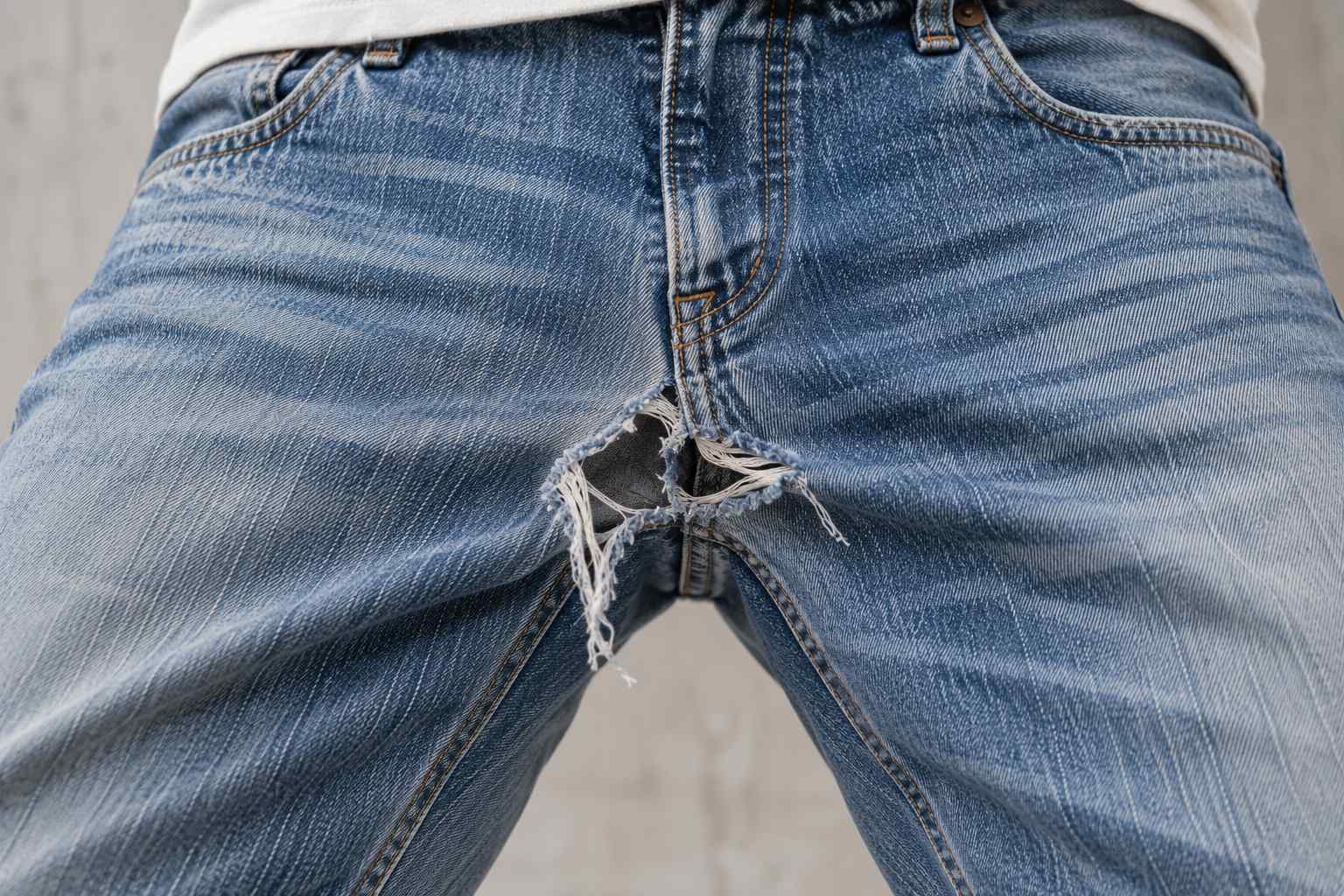
This is a story I hear all the time. After two decades in the denim business, I can tell you that a jean's lifespan is written in its fabric, its fit, and the way you treat it. Let's break down the most common reasons your jeans give out, starting with the most infamous failure point.
Why do my jeans always rip at the crotch?
You squat down and hear that dreaded ripping sound. A "crotch blowout" is embarrassing and makes your jeans unwearable, forcing you to buy a new pair far too soon.
Jeans rip at the crotch because it's a high-tension and high-friction zone where multiple panels meet. If your thighs rub together, you cycle often, or the jeans are too tight, the cotton fibers in that spot simply wear out and break from the constant stress.
In the factory, we call this a "crotch blowout," and it's problem number one for durability. It happens because we are asking a small area of fabric to do an incredible amount of work. The crotch is the intersection of four separate pieces of denim, and all the stress from walking, running, and sitting is concentrated right there. If you have fuller thighs or live an active lifestyle, the constant friction physically grinds the cotton fibers down until they snap.
Fit is the biggest criminal here. If your jeans are too tight in the seat or thighs, the fabric is under maximum tension before you even move. Every step you take pushes it past its breaking point. While 100% cotton jeans are strong, they have no give, so all that stress goes directly into the fabric weave. While a client like Dean designs for a specific silhouette, it's crucial that the end user buys the right size to allow for movement. Even sweat plays a role; its acidity can slowly weaken cotton fibers over time.
| Primary Cause | Why It Happens | How to Fix It |
|---|---|---|
| Tight Fit | Puts fabric under constant high tension. | Choose a looser fit or a different cut (e.g., athletic fit). |
| Friction | Thighs rubbing together abrades the fabric. | Look for jeans with a gusseted crotch or a small % of stretch. |
| High Activity | Activities like cycling create extreme stress. | Reinforce the area with an internal patch before it rips. |
Why do my jeans rip at the knees?
You kneel to tie a shoe, and the fabric at the knee feels paper-thin. A small hole soon becomes a huge, unintentional tear, completely changing the look of your jeans.
Jeans rip at the knees because it's a major flex point. The constant folding, stretching, and pressure from activities like walking and kneeling weakens the cotton fibers. Jeans that are pre-distressed are already thinned out at the knee, making them rip even faster.
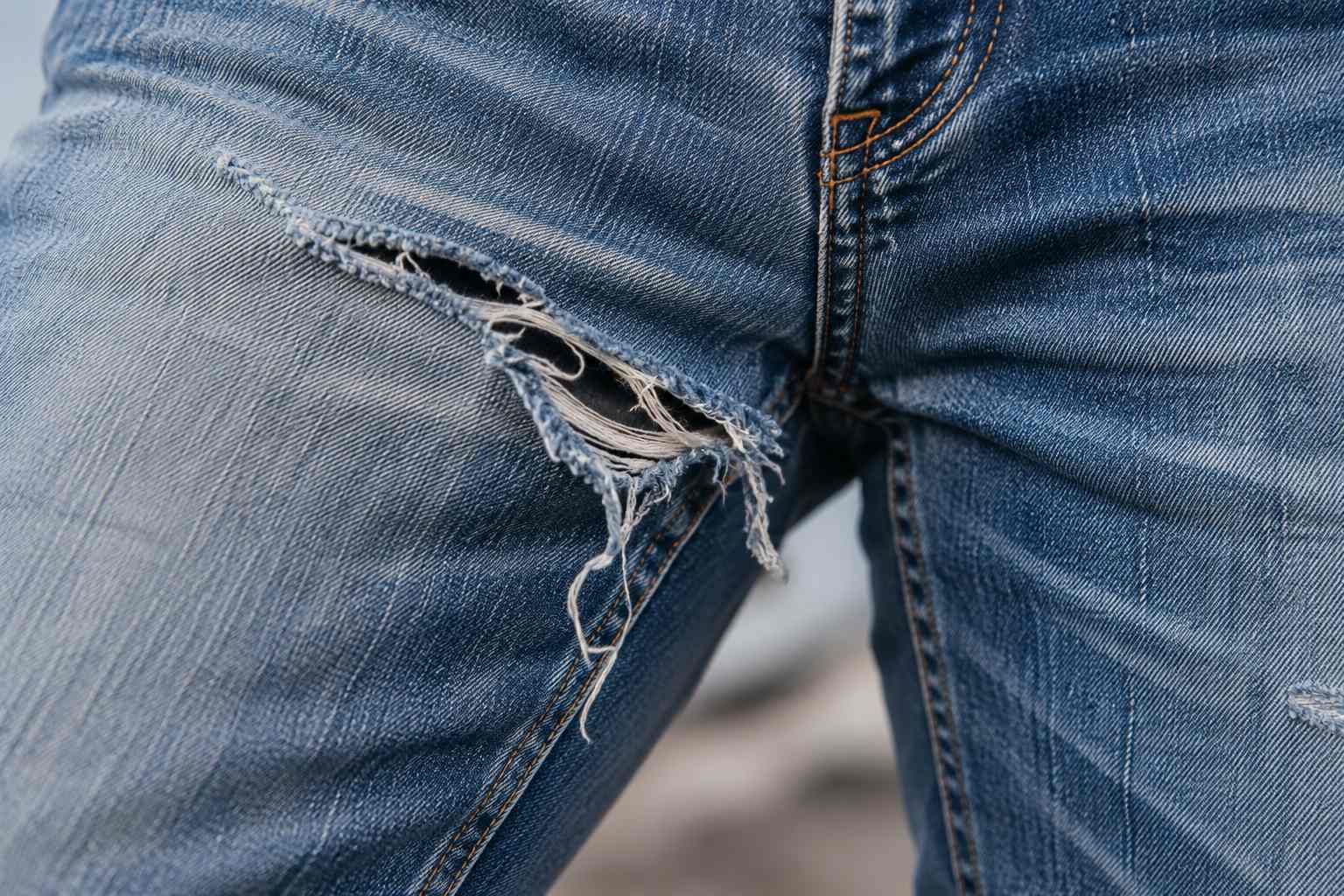
Think of the knee as the hinge on a door. Every time you walk, sit, or climb stairs, that hinge is working. For 100% cotton jeans, the fabric itself is taking all that strain. The fibers are repeatedly bent and stretched, and over thousands of cycles, they begin to break. It's just simple material fatigue.
Now, let's talk about fashion. Many jeans today are sold with "pre-distressed" details. In my factory, we create this look by physically sanding, grinding, or using lasers to destroy the fabric at the knees. We are intentionally thinning out the material to create a soft, worn-in look from day one. I work with designers to achieve this specific aesthetic. While it looks great, you need to understand that you're buying jeans with a built-in weak spot. The durability has been traded for style. If you want jeans that last, especially if you kneel a lot for work or hobbies, you should choose a pair made from solid, un-distressed "raw" denim. The first sign of wear will be the fabric turning white—that's your warning sign to maybe add a patch.
How can I stop my jeans from ripping?
You're tired of your jeans wearing out so fast. It's a waste of money and a constant search for a durable pair. You just want your favorite clothing to last.
To stop jeans from ripping, get the fit right—not too tight. Wash them less, only after 5-7 wears. When you wash, turn them inside out, use cold water, and always air dry. Avoid hot dryers. Reinforcing high-wear areas before they tear can double their life.
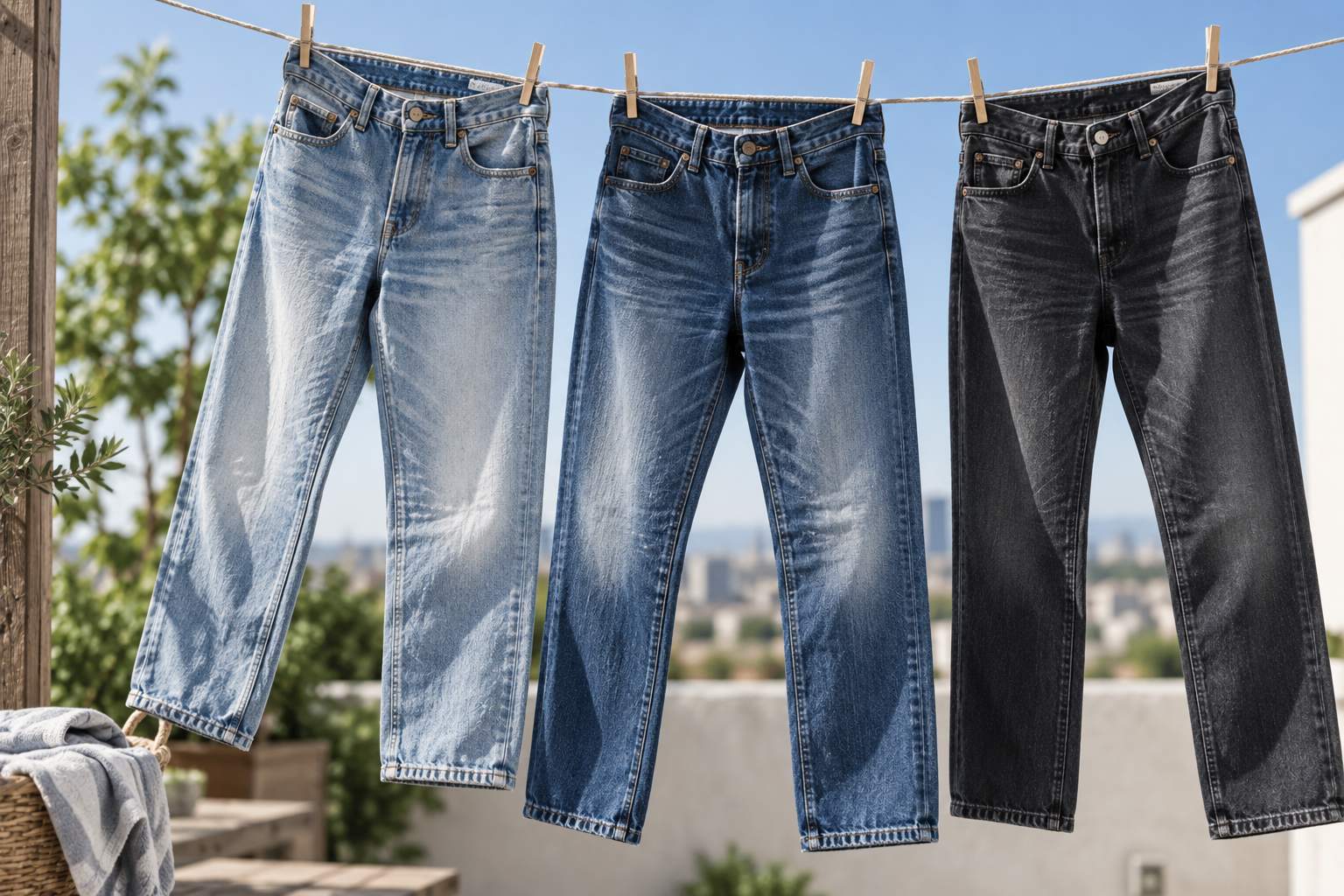
This is the most important question because prevention is everything. After making jeans for 20 years, my best advice is simple.
1. Fit Over Everything: This is your number one defense. Jeans that are too tight are already halfway to ripping. There should be enough room in the thighs and seat to pinch a bit of fabric. That little bit of extra room gives the fibers space to move instead of strain.
2. The Right Way to Wash: My rule is simple: treat your jeans like they're alive.
- Wash Less: Don't wash after every wear. Every 5-7 wears is plenty unless they are visibly dirty. Hang them to air out between wears.
- Wash Cold & Inside Out: Always turn them inside out to protect the color and outer fibers. Use cold water and a mild detergent on a gentle cycle. Heat is the enemy.
- NEVER Use a Hot Dryer: A hot tumble dryer is the fastest way to kill denim. It shocks and shrinks the cotton fibers, making them brittle. Hang them to air dry in the shade.
3. Proactive Reinforcement: Look at the inside of your crotch or knees. Do you see the fabric getting thin or looking white? That's your chance to act. Take them to a tailor or sew a patch of similar fabric on the inside. This invisible support can add months or even years to their life.
When should you throw away ripped jeans?
Your closet has a pile of ripped jeans you can't wear. You feel guilty throwing them away but don't know if they can be saved, so the clothing clutter just sits there.
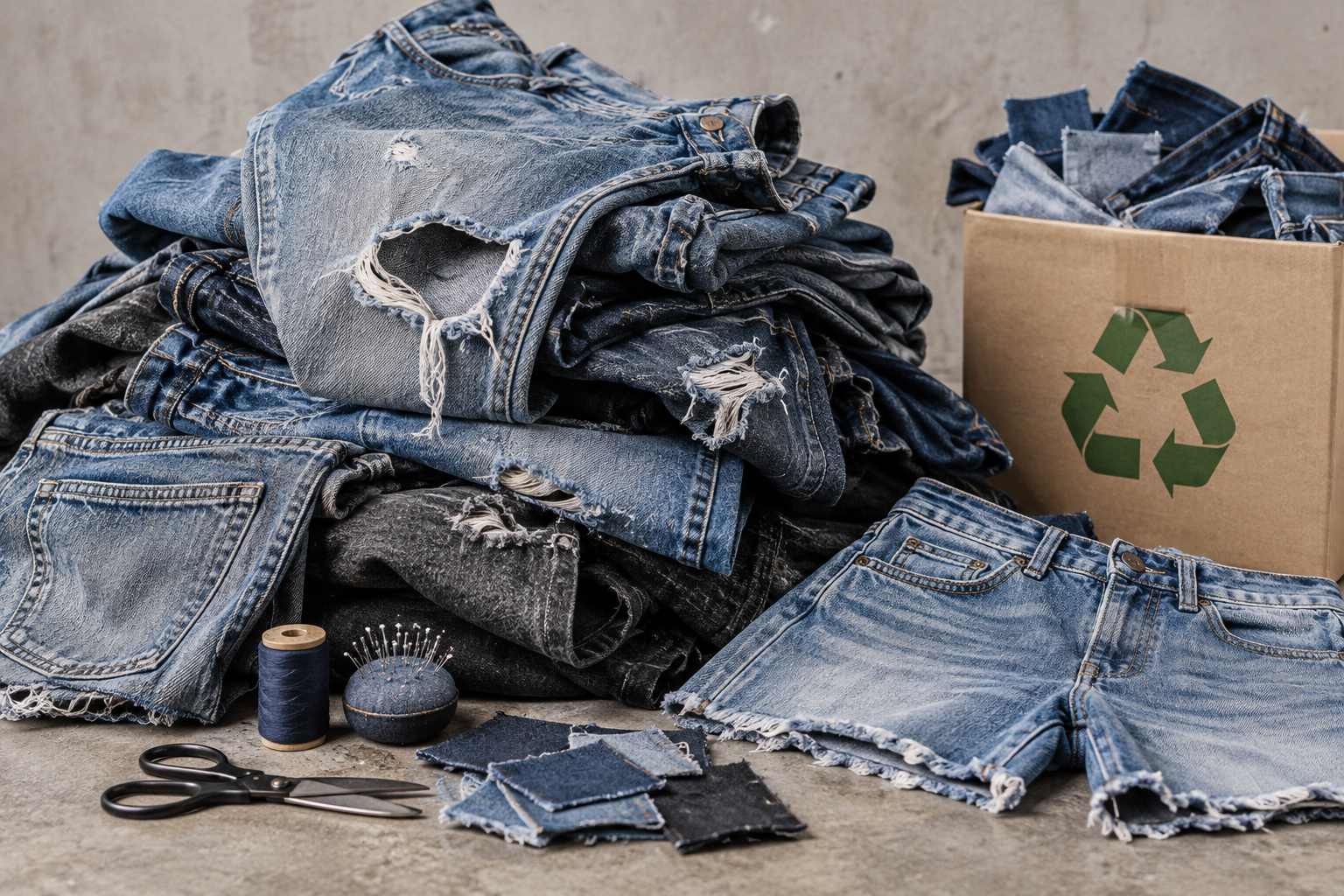
You should almost never just throw jeans away. Small rips can be professionally repaired or patched. If a repair is not possible, the jeans can be repurposed into shorts or recycled. It's only time to give up when the fabric is brittle and thin all over.
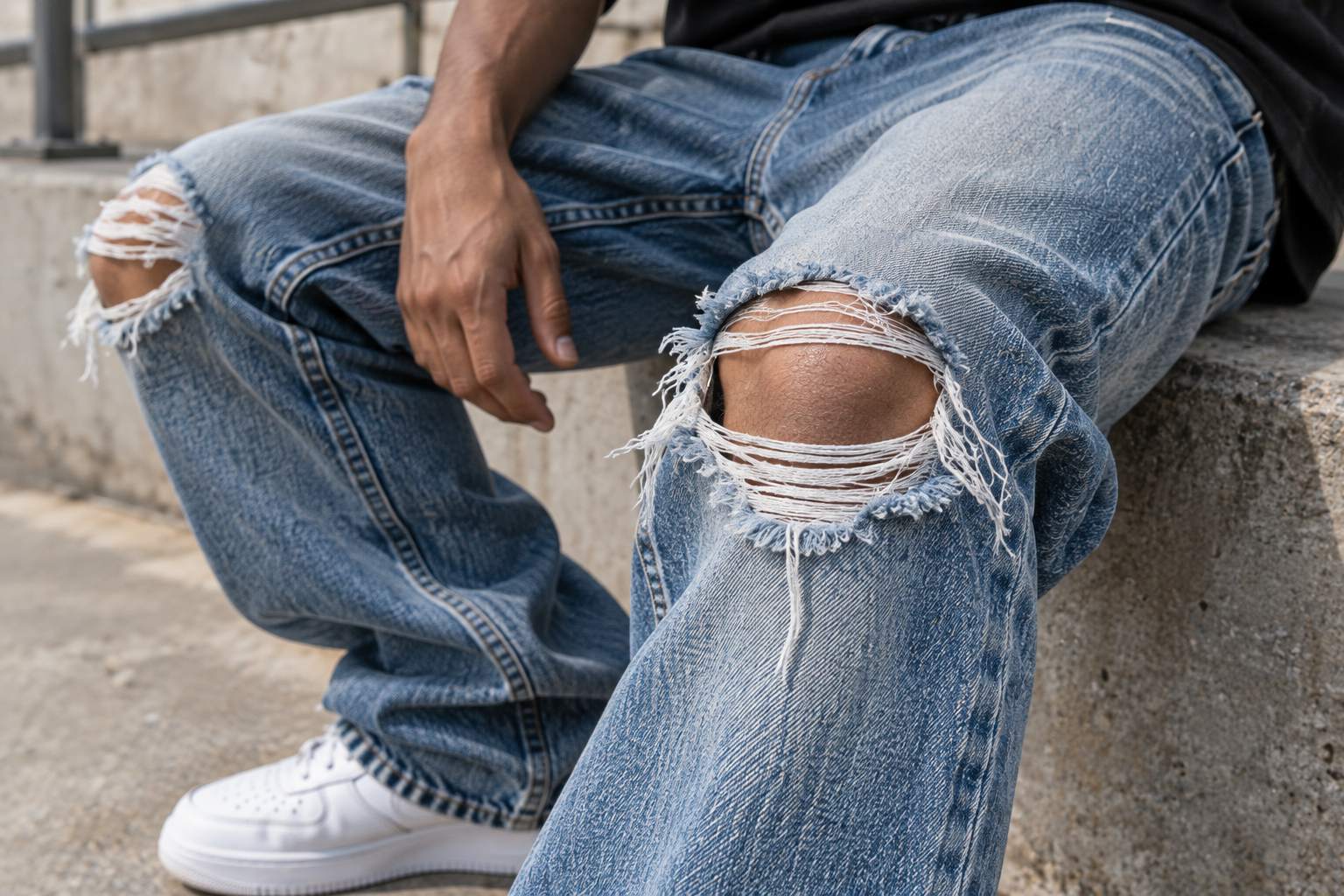
A rip is not a death sentence; it's often the start of a new chapter for your jeans. In the world of high-quality denim, a well-done repair is a badge of honor.
Your Options Before Giving Up
- Professional Darning: This is the gold standard. A skilled tailor can use threads to essentially re-weave the fabric over the hole. This is incredibly strong and can be made to look almost invisible or done with a contrasting color to be a feature. It's the best way to save a pair you truly love.
- DIY Patching: This adds character. Take a piece of denim—from an old pair of jeans or a craft store—and sew it over the hole, either from the inside or the outside. This is the foundation of the "distressed" look that we work so hard to create in the factory.
- Upcycling: If the rip is too big or the jeans no longer fit, give them a new purpose. Cut them into shorts. Use the legs to make a tote bag. Use the fabric for patches on other clothes. Denim is a fantastic, tough material.
So, when is it really over? It’s over when the fabric around the rip is also paper-thin and weak. If you put your finger on the fabric next to the hole and it tears easily, a patch will just create a new tear. When the overall structural integrity of the cotton is gone, then it's time to send it to a textile recycling program.
Conclusion:
Jeans rip from a mix of tight fits, constant friction, and harsh washing. Choose the right size, wash smart, and repair early to make your favorite denim last.