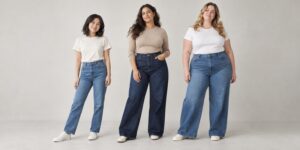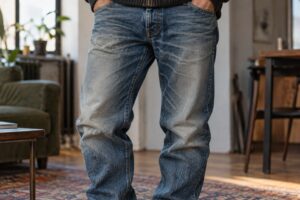

You just found the perfect pair of jeans, but after a few months, they're already showing serious wear, especially in the inner thigh area. It’s frustrating and feels like a waste of money. I'll explain why this happens.
Your jeans wear out quickly due to a combination of factors: the harsh chemicals used in washing, the natural friction from how you walk and sit, and improper laundering habits. This combination attacks the cotton fibers, causing them to break down prematurely[^1].
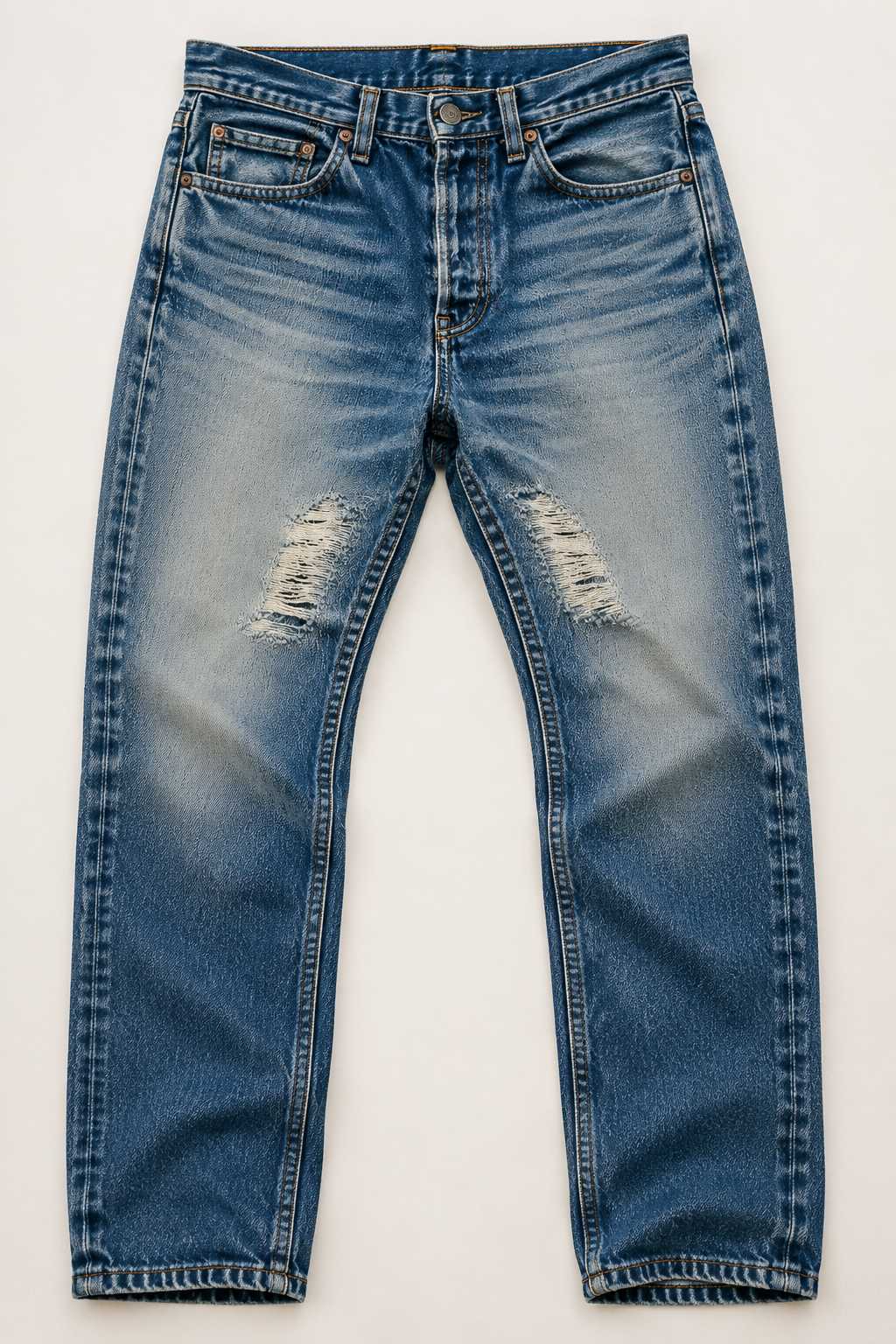
For twenty years, I've seen exactly how jeans are made and what makes them fall apart. On my factory floor at DiZNEW, I've watched countless pairs go through washing processes that, while creating a great look, can weaken the fabric from day one. I want to help you, as a designer, understand this whole lifecycle so you can create a product that not only looks amazing but also lasts. Let’s explore why some jeans are destined to fail and how we can make them better.
How long should a good pair of jeans actually last?
You're spending your hard-earned money on a pair of jeans, and you expect them to last more than one season. So, what's a reasonable expectation for a pair of high-quality jeans?
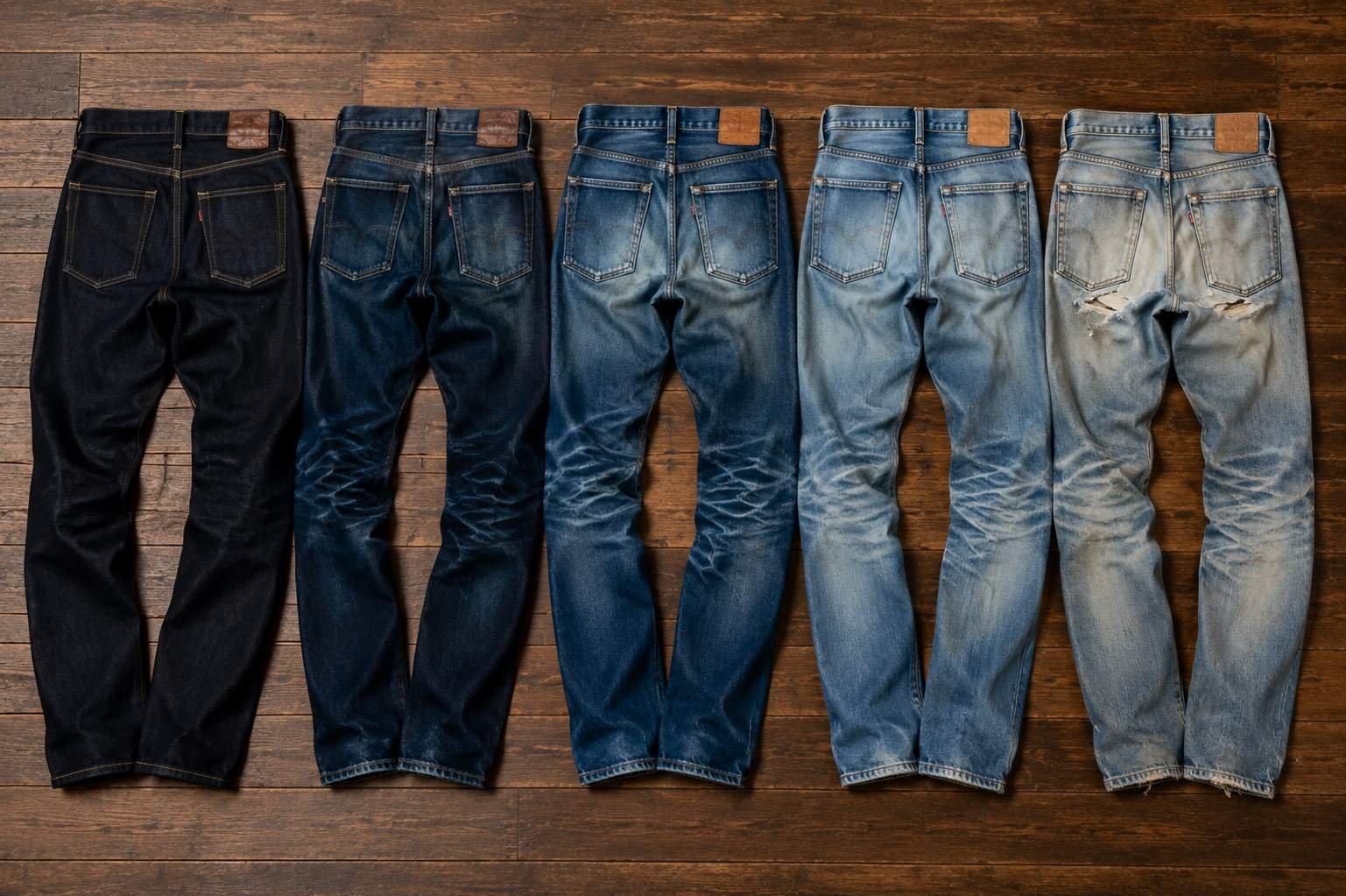
A good pair of jeans, with proper care and rotated wear, should last for many years, not just months. High-quality denim can last 5-10 years, becoming more comfortable and personal over time. If your jeans are failing within a year, something is wrong.
Dive Deeper: The Quality and Care Equation
The lifespan of jeans depends on two critical factors: the quality of the raw materials and the care they receive. In my factory, I know that starting with high-quality, long-staple cotton makes a huge difference[^2]. This creates a stronger yarn that resists breaking. Heavier-weight denim (12 oz or more) also naturally has more material to wear through, so it will last longer.
But even the best-made jeans can be destroyed by bad habits. Frequent, aggressive machine washing is the number one killer. Throwing them in a hot dryer is a close second. The "correct" lifespan is a direct result of this balance. A pair of well-made, raw denim jeans worn by a careful owner could theoretically last a decade. A cheap, chemically over-processed pair washed and dried every week might not even make it six months. As a designer, your choice of fabric and the care instructions you provide are both essential parts of setting up your customer for success.
Why do my jeans not last very long?
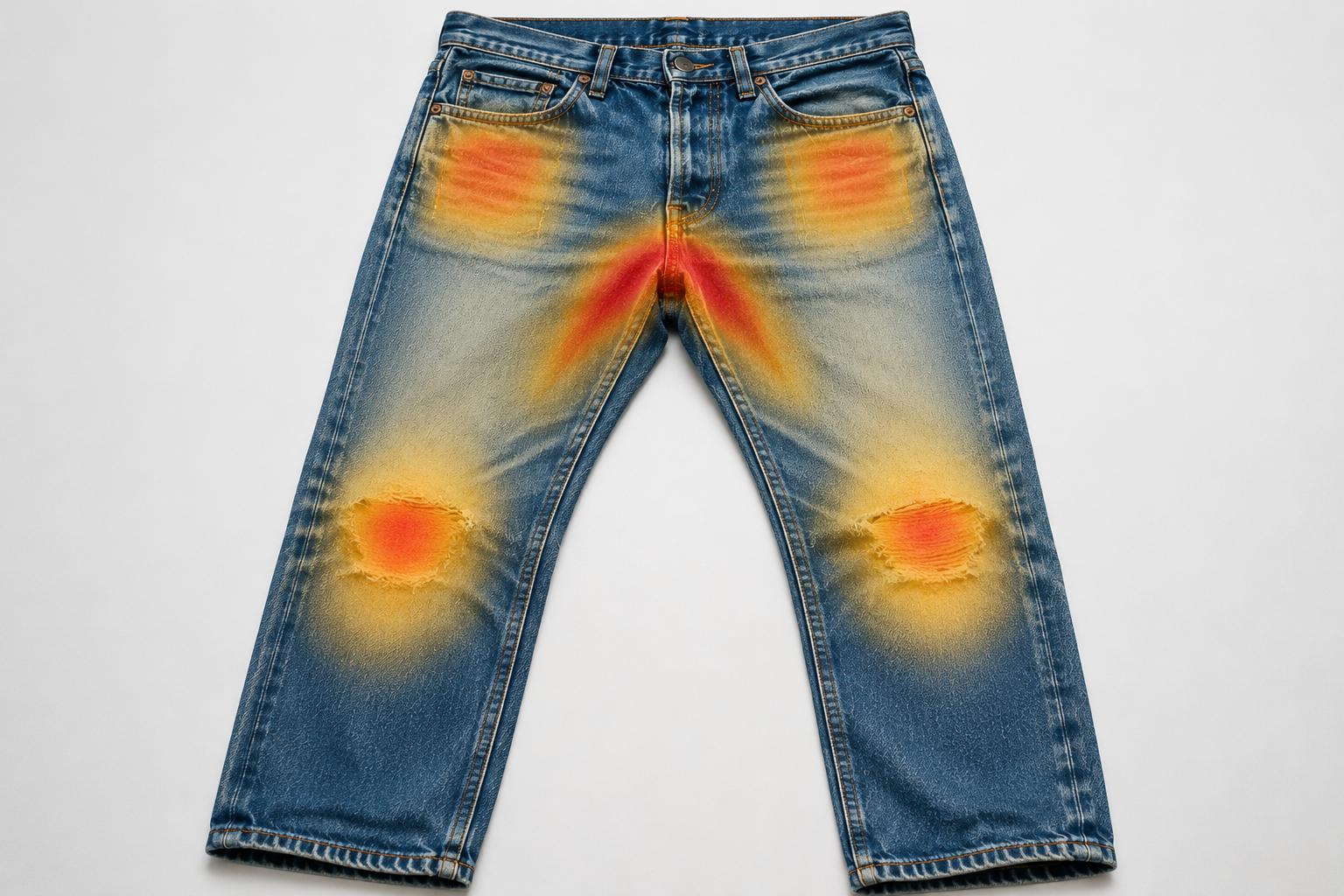
It feels like a scam. Those expensive jeans you bought are already tearing at the crotch and thigh. It's frustrating and makes you question the quality. I'll explain the hidden culprits behind this rapid wear.
Your jeans fail quickly for three main reasons. First, harsh chemical washes used in production can damage the cotton fibers. Second, high-friction from walking can wear down the fabric, especially if your thighs rub. Finally, improper washing and drying can accelerate this breakdown.
Dive Deeper: The Manufacturing and Lifestyle Conflict
Let's start with what happens in my factory. To get that fashionable faded look, we sometimes use chemicals like potassium permanganate and oxalic acid. While we work to neutralize them, any leftover residue can slowly eat away at the cotton fibers, making them brittle. The fabric looks good, but it's been weakened before it ever reaches you.
Then, there's your lifestyle. Your body produces sweat, which is slightly acidic. If your thighs rub together when you walk, that area is constantly damp and under friction. It’s the perfect storm for fabric destruction: the moisture weakens the cotton, and the constant rubbing acts like sandpaper[^3]. This is the primary cause of the dreaded "crotch blowout." If the jeans are 100% cotton with no stretch, every time you squat or take a large stride, you are putting immense strain on the seams, which also leads to failure.
| Cause of Wear | Manufacturing Factor | Lifestyle Factor | Solution |
|---|---|---|---|
| Fiber Damage | Chemical residues from washing | Sweat and oils breaking down cotton | Choose jeans with simpler washes; wash to remove oils. |
| Friction Damage | Thin, lightweight fabric | Thighs rubbing; cycling; intense activity | Select heavier-weight denim; choose a fit with more room. |
| Stress Tears | 100% Cotton with no give | Squatting, lunging, high-movement | Choose denim with 1-2% spandex for flexibility. |
Is it okay to wear the same jeans for 2 days in a row?
You're busy, you love how these jeans look, and they feel clean enough. Is it really a big deal to wear them again tomorrow? I'll explain why giving your jeans a break is so important.
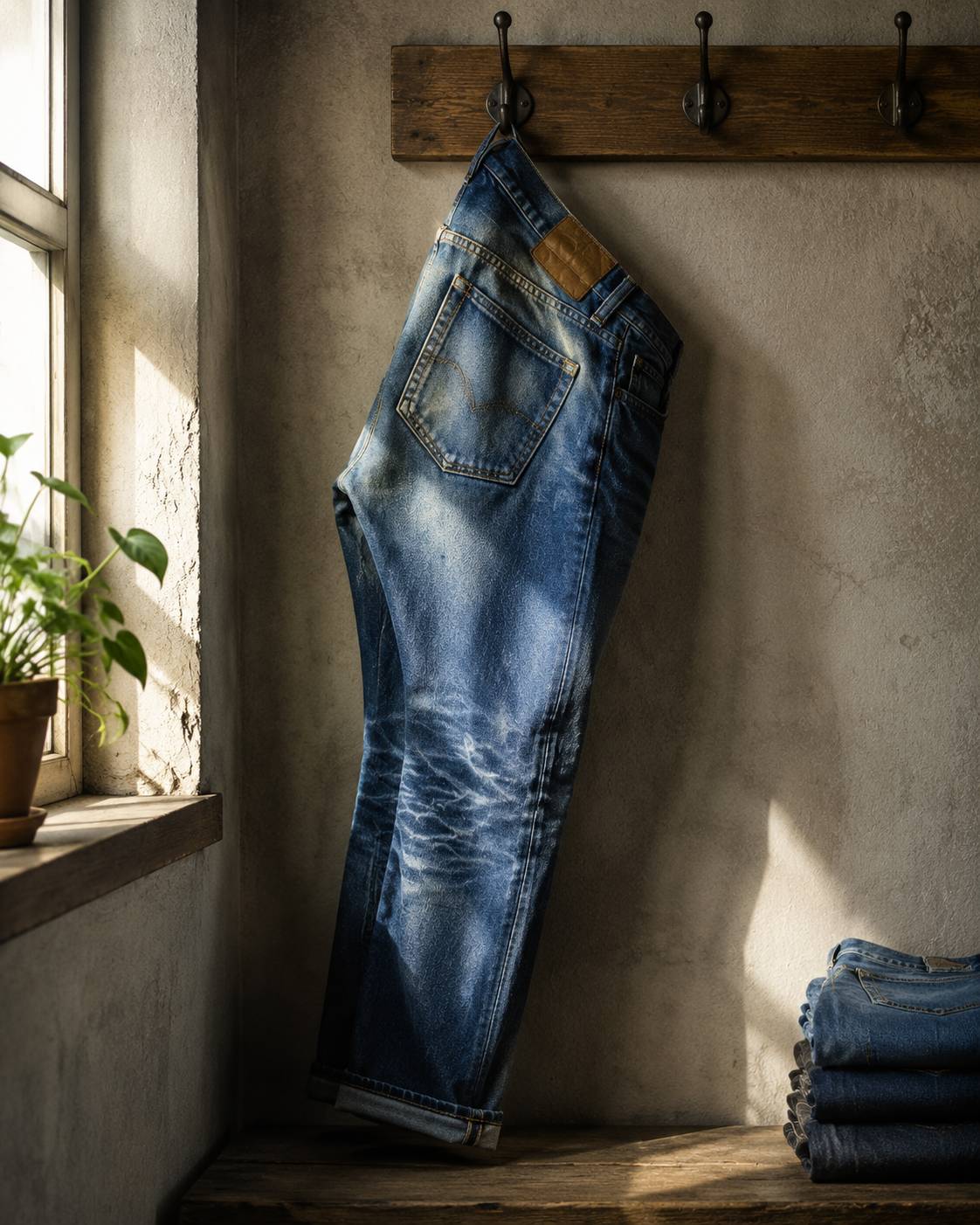
Yes, you can wear jeans for two days, but it's not ideal for their longevity. To make them last, it's best to rotate your jeans, giving the cotton fibers at least a day to rest, recover, and dry out completely.
Dive Deeper: Giving the Fibers a Break
Think of cotton fibers like tiny, natural springs. When you wear your jeans, especially stretch denim, you are stretching these fibers out. Your body heat and movement cause them to conform to your shape. This is what makes them so comfortable! However, these fibers need time to retract and return to their original state[^4]. If you wear the same pair day after day, you are constantly keeping them in a stretched-out state.
This leads to two problems. First, the jeans will get baggy and lose their shape, especially in the knees and seat. Second, and more importantly for longevity, these perpetually stressed fibers become weaker. They are more likely to break when subjected to friction or tension. By simply hanging your jeans up for a day and wearing a different pair, you allow the fibers to fully dry out from any moisture and retract. This small act can dramatically improve their shape retention and extend their overall lifespan.
Conclusion
To make jeans last, choose quality fabric, rotate your pairs to let them rest, and wash them gently and infrequently. This simple care will honor the craftsmanship and extend their life.
---

[^1]: "1 CHAPTER I Introduction Cotton is still the "king" of fibers ...", https://vtechworks.lib.vt.edu/bitstreams/897d9a2f-3c3a-4376-bf27-12ceee15fa3a/download. Textile chemistry sources describe cotton as cellulose and document that chemical, thermal, and mechanical stresses can reduce cellulose fiber strength; this supports the mechanism of premature fiber breakdown but does not quantify wear for this specific denim product. Evidence role: mechanism; source type: research. Supports: Harsh washing chemistry, friction, and poor laundering can damage cotton fibers and shorten jean life.. Scope note: Contextual support for cotton fiber degradation mechanisms, not direct testing of the jeans described in the article.
[^2]: "An Experiment and Simulation Study on the Tensile Behavior of Cotton ...", https://pmc.ncbi.nlm.nih.gov/articles/PMC12897929/. Cotton fiber-quality research shows that longer staple length is associated with improved yarn strength and spinning performance; this supports the claim that long-staple cotton can contribute to stronger denim yarns, while final durability also depends on weave, finishing, and garment construction. Evidence role: mechanism; source type: paper. Supports: Using high-quality, long-staple cotton can create stronger yarn that is more resistant to breakage.. Scope note: Supports the fiber-to-yarn relationship, not the complete durability of a finished jean by itself.
[^3]: "Understanding Fabric Abrasion", https://darongtester.com/fabric-abrasion/. Textile abrasion standards and studies define abrasion as fabric damage caused by repeated rubbing, leading to yarn and fiber breakage; this supports the comparison between thigh friction and abrasive wear, though it does not quantify the rate of crotch wear in individual users. Evidence role: mechanism; source type: paper. Supports: Repeated thigh rubbing can abrade denim fibers and contribute to crotch or inner-thigh failure.. Scope note: General abrasion mechanism, not a person-specific prediction of inner-thigh failure.
[^4]: "Stress relaxation and elastic recovery behaviour of dual core stretchable ...", https://medcraveonline.com/JTEFT/stress-relaxation-and-elastic-recovery-behaviour-of-dual-core-stretchable-ring-spun-yarn.html. Studies of cotton and cotton-elastane fabrics discuss elastic recovery, growth, and relaxation after extension; such sources can support the concept of partial recovery after wear, although recovery time and completeness depend on fiber blend, weave, humidity, and finishing. Evidence role: mechanism; source type: paper. Supports: Denim fibers and stretch components can partially recover after being stretched during wear.. Scope note: Contextual support; the exact need for a full day of rest may not be directly established.