Skip to content

You want durable pants but the words "duck" and "canvas" are confusing. You buy a canvas jacket and it feels different from your canvas pants. I will explain the simple difference.
Duck canvas is a type of cotton canvas. The main difference is that duck canvas has a tighter, plain weave, making it smoother, stronger, and more water-resistant than regular canvas, which often has a more visible, rougher texture.
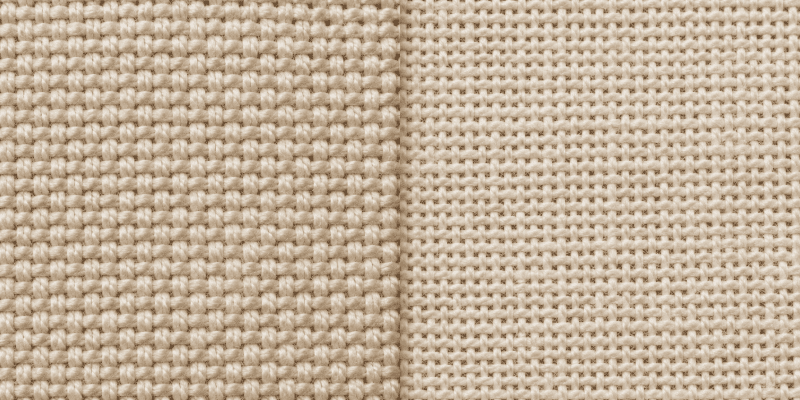
This difference seems small, but it completely changes how the fabric feels and ages. As a manufacturer, I work with both every day at my DiZNEW factory. Let me show you what really matters when you choose between them.
What is the main difference between duck canvas and regular canvas?
You hear "duck" and "canvas" used together and feel confused. Are they not the same thing? This confusion can lead you to buy the wrong material for your project or brand.
The main difference is the weave. Duck canvas uses a very tight plain weave, making it smoother and more durable. Regular canvas can have various looser weaves, giving it a rougher, more textured surface.
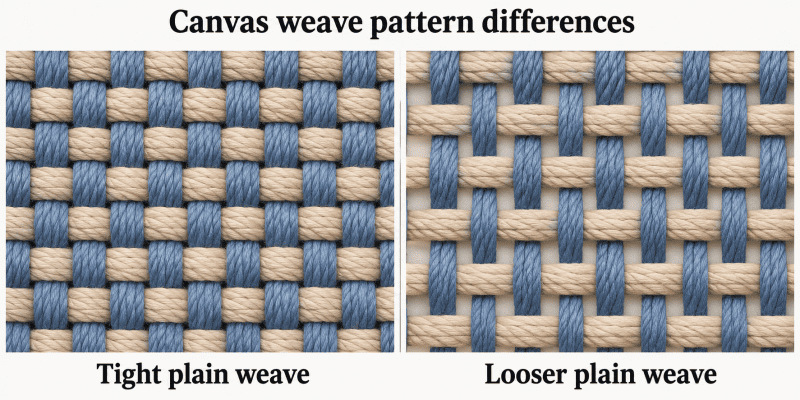
Many people think "canvas" is one single fabric. But "canvas" is a broad category. "Duck" is a specific, high-quality type of canvas. The name comes from the Dutch word doek, which means cloth. At my factory, the choice between duck and other canvases is one of the first decisions we make with a designer. It defines the entire feel of the garment. Duck canvas is extremely smooth and dense.
It is very hard and needs a long time to break in. Regular canvas, especially types like "pearl canvas," has a much more bumpy, three-dimensional feel. It is still stiff, but it is more flexible from the start. This basic difference in texture and density affects everything from breathability to how the fabric will look after five years of wear.
| Dimension | Duck Canvas | Regular Textured Canvas |
|---|---|---|
| Surface Feel | Smooth, tight, and fine | Bumpy, with a visible grain |
| Breathability | Average (due to very dense weave) | Good (looser weave allows air flow) |
| Stiffness | Extremely stiff, needs a long break-in | Stiff, but more flexible initially |
| Aging Style | Ages slowly with natural wear | Fades easily with factory washing |
Which weave pattern is best?
You want the "best" fabric, but this question is a trap. The "best" for a tent is terrible for a shirt. Choosing the wrong weave means your product will fail its purpose.
There is no single "best" weave pattern. The best weave depends entirely on the intended use. A tight plain weave (like duck) is best for durability. A twill weave is best for drape and showing fades, like in jeans.
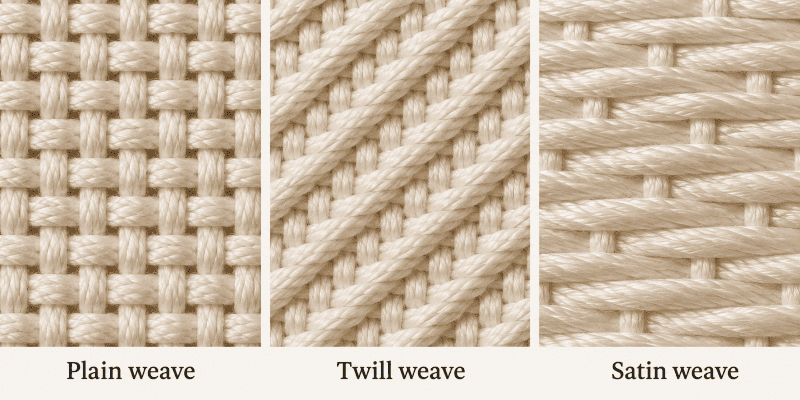
As an expert in denim, the weave is everything to me. Let's look at the most common weaves we use at the factory.
1. Plain Weave
This is the simplest weave. Each thread goes over one, then under one. It creates a very strong, stable, and durable fabric. Duck canvas is a perfect example of a plain weave that is woven extremely tightly with high-quality cotton yarns. This makes it incredibly tough and wind-resistant.
2. Twill Weave
This is my world. In a twill weave, the threads go over one and under two or more threads. This creates a diagonal pattern on the surface. Denim is a twill. This weave is also very durable, but it drapes better and is more flexible than a plain weave of the same weight. The diagonal pattern is why your jeans fade in such interesting ways.
3. Satin Weave
In a satin weave, one thread floats over four or more other threads. This creates a very smooth, lustrous surface. It looks beautiful, but it is the least durable of the three. The long floats can easily snag. We use this for jacket linings, not for tough workwear.
| Weave Type | Durability | Drape (Flexibility) | Common Use |
|---|---|---|---|
| Plain Weave | Highest | Low | Duck Canvas, Tents |
| Twill Weave | High | Medium | Denim Jeans, Chinos |
| Satin Weave | Low | High | Jacket Linings |
What's better, canvas, duck or twill?
You're comparing fabric names but it is causing confusion. You are trying to find a winner. The real question is not "what is better," but "what is better for my specific need?"
None is universally "better." Duck canvas is best for pure durability. Twill is best for apparel that needs drape and comfort, like jeans. Regular canvas is a good middle ground for various uses.
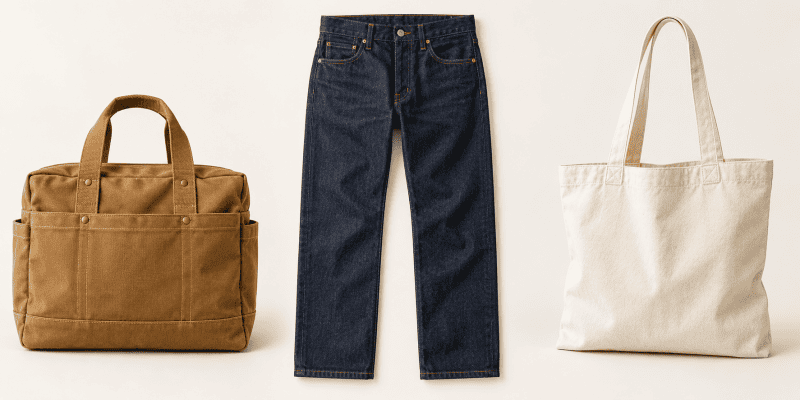
When a designer like Dean comes to my factory, we choose the fabric based on the final product's job.
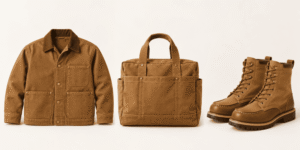
Choose Duck Canvas if you need extreme toughness. This is for hardcore workwear jackets, heavy-duty bags, or shoes that need to last. The goal is to create something that feels unbreakable. The customer will have the joy of breaking it in over many years. It is perfect for the raw, industrial "Amerikaji" style.
Choose Twill if you need comfort and character. This is the fabric for everyday pants and jackets. It is the clear choice for jeans. The diagonal weave gives it just enough flexibility to be comfortable from day one. And it ages beautifully, showing fades that tell the story of the wearer.
Choose Regular Textured Canvas if you want a vintage look quickly. This fabric has a great, grainy texture but is not as rigid as duck. Because of its slightly looser weave, it responds very well to our factory washing processes. We can easily create a faded, worn-in, vintage look right from the start. It is great for stylish work pants that are comfortable and have character on day one.
What is duck canvas good for?
You want to create something that lasts forever. You need a fabric that can take a serious beating. Duck canvas is the answer for ultimate durability and strength.
Duck canvas is good for heavy-duty applications where durability is the top priority. This includes workwear jackets, aprons, tool bags, durable upholstery, tents, and classic canvas sneakers. It excels at resisting tears, punctures, and wind.
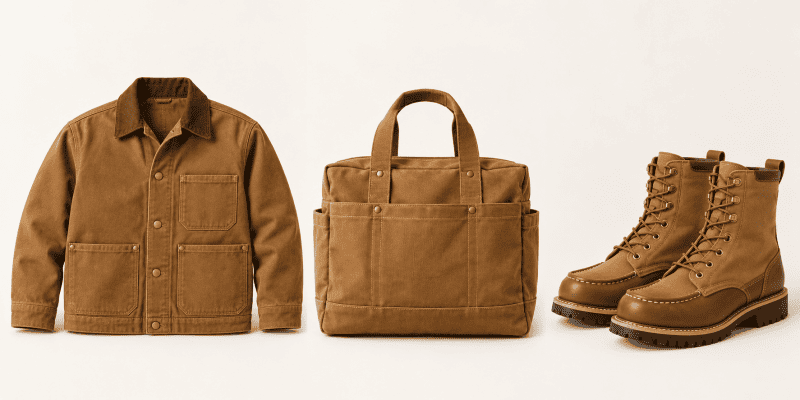
Duck canvas is the king of tough fabrics. Its superpower comes from its tight plain weave and the use of two yarns twisted together in the warp (the vertical threads) and a single yarn in the weft (the horizontal threads). This construction makes it almost impossible to tear. At my factory, we often use a numbered system for duck canvas.
A lower number means a heavier, thicker fabric. For example, a #4 duck is tough enough for industrial conveyor belts, while a #10 or #12 duck is more common for apparel and bags. When a client like Carhartt wants to make a classic chore coat, they choose duck canvas. They are not looking for a soft, pre-washed feel. They are selling durability as the main feature. Duck canvas is for items that have a job to do and need to stand up to abuse day after day. It is the foundation of American workwear.
Conclusion
Duck is a tight, strong canvas for ultimate durability. Twill offers comfort and character for everyday wear. Choose the fabric based on the product's final use, not a vague sense of "better."