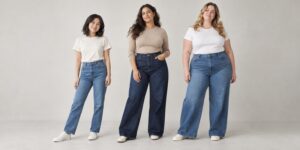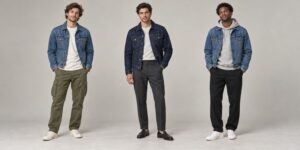

You’ve seen them everywhere—on the streets, in fashion shoots, on your friend’s wardrobe. But why did boyfriend jeans, which look like the jeans you’d toss aside for being too loose, suddenly become the most coveted style? It’s not just about fading or ripped knees. There’s something deeper at work. Let me explain.
In the world of denim, boyfriend jeans started as a rebellion1. They were wider, looser, and more forgiving than the tight, high-waisted styles that dominated the 90s2. Their popularity surged as people began to value comfort over strict fit. The key was that they offered a relaxed, casual look without sacrificing style. This appeal mirrors the global shift toward casual wear3, and they’ve stood the test of time.
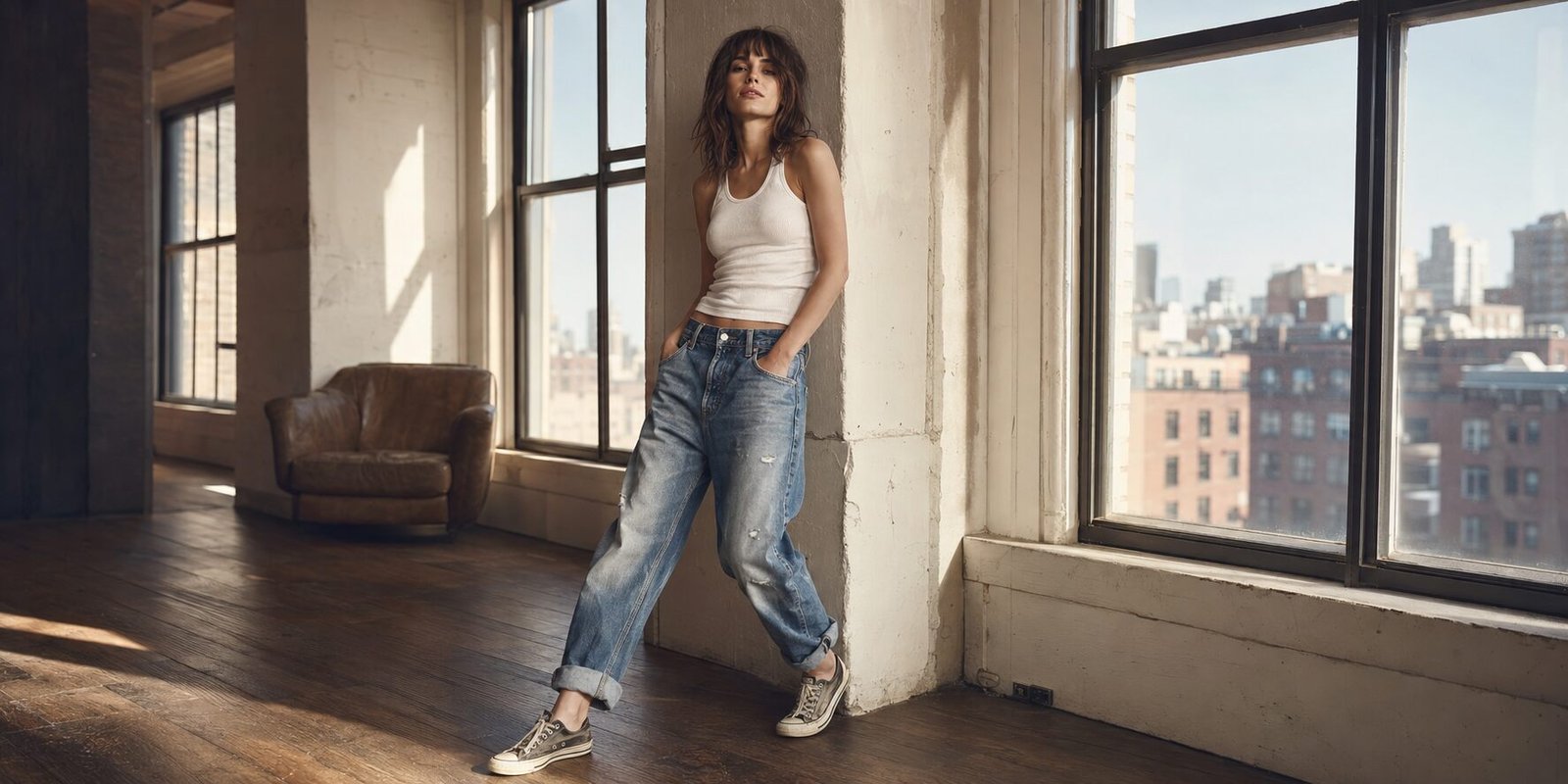
Dive Deeper: The Evolution of Boyfriend Jeans
Boyfriend jeans became a phenomenon in the early 2000s, driven by cultural shifts and the rise of casual fashion. This trend wasn’t just about style—it was about comfort, individuality, and rejecting rigid norms.
| Time Period | Key Influences | Design Shifts |
|---|---|---|
| 1990s | Grunge and hip-hop culture | Loose silhouettes, low-rise cuts, and minimal detailing |
| 2000s | Casual lifestyle, DIY fashion | Faded colors, distressed finishes, and a focus on comfort |
| 2010s | Y2K nostalgia and minimalism4 | Revival of 90s styles, emphasis on versatility and timeless appeal |
Their popularity was also fueled by the fact that they could be styled in so many ways. Pair them with a t-shirt, a sweater, or even a dress, and they transform instantly. This flexibility made them a staple in modern wardrobes.
When did boyfriend jeans become a thing?
You’ve probably noticed boyfriend jeans everywhere lately. But when did they first gain traction? The answer might surprise you.
Boyfriend jeans emerged in the late 1990s and early 2000s, inspired by the relaxed, unstructured tailoring of men’s jeans. Unlike the tight, high-waisted styles of the 80s and 90s, they offered a more forgiving fit, especially for people who didn’t want to fuss with jeans that pinched or restricted movement. This shift reflected a broader cultural movement toward casual, comfortable fashion.
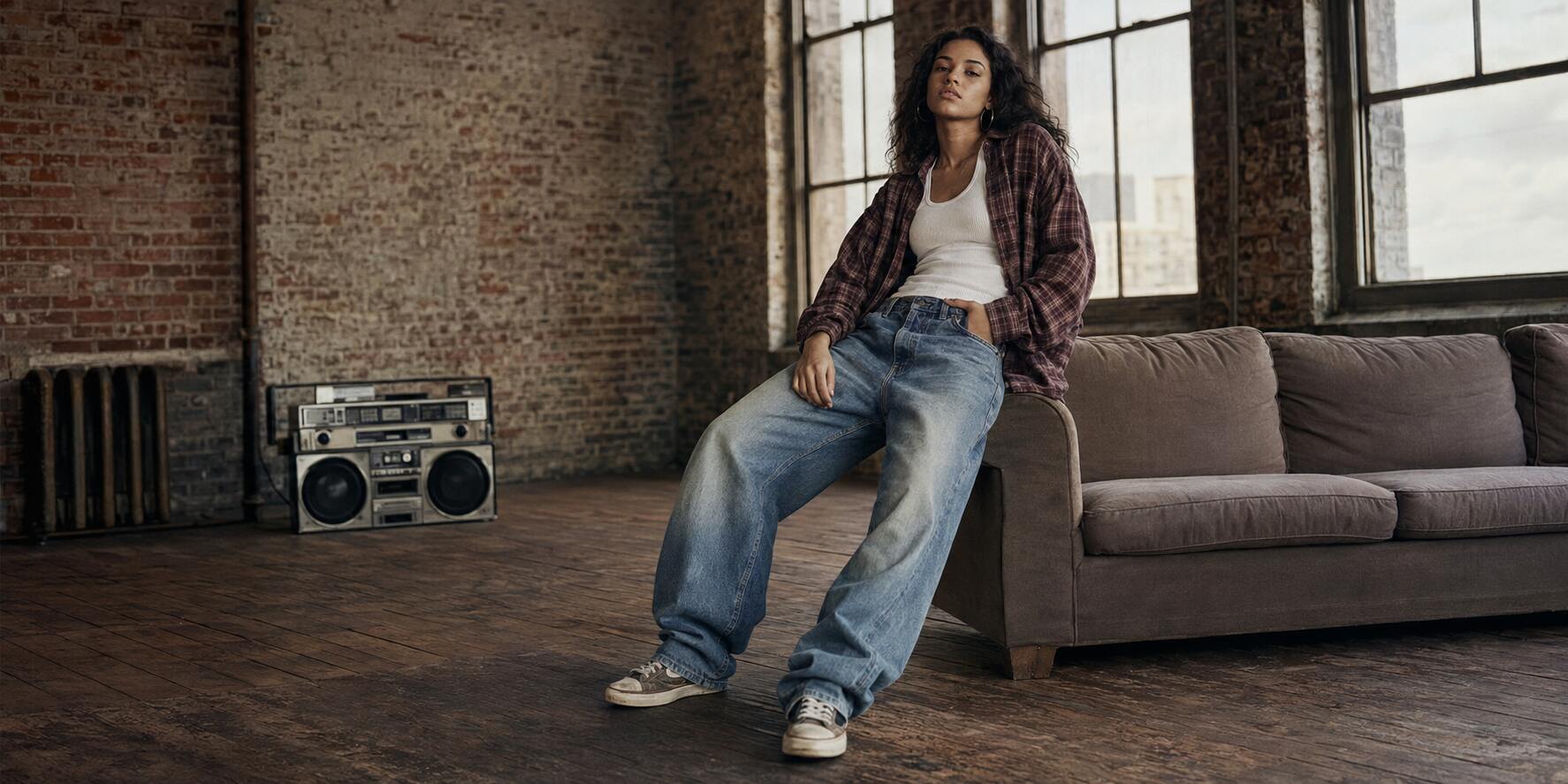
Dive Deeper: The Birth of a Fashion Revolution
The rise of boyfriend jeans was tied to the evolution of denim as a versatile fabric. In the late 90s, the internet and fast fashion made it easier for styles to spread rapidly5. Here’s how this shift played out.
| Historical Context | Cultural Impact | Fashion Movement |
|---|---|---|
| Late 1990s | Rise of grunge and hip-hop | Denim became a symbol of rebellion and street culture6 |
| Early 2000s | Casual lifestyle and DIY trends | Brands began offering looser, more relaxed fits |
| Mid-2010s | Y2K nostalgia and minimalism | Boyfriend jeans were rebranded as a timeless, versatile style |
Their popularity wasn’t just about aesthetics—it was about freedom. They allowed people to wear jeans without feeling restricted, which aligned perfectly with the casual, relaxed vibe of the 2000s.
Are boyfriend jeans out of style?
You might be wondering if boyfriend jeans are still relevant. After all, trends come and go. But let’s dig into the truth. Are they a one-time fad, or are they here to stay?
Boyfriend jeans are far from out of style. In fact, they’ve become a staple in modern fashion, continuing to evolve with new trends. Their popularity persists because they offer a perfect blend of comfort and style. Unlike some fleeting trends, they are adaptable and timeless. You’ll still see them in every season, regardless of what’s popular in the moment.
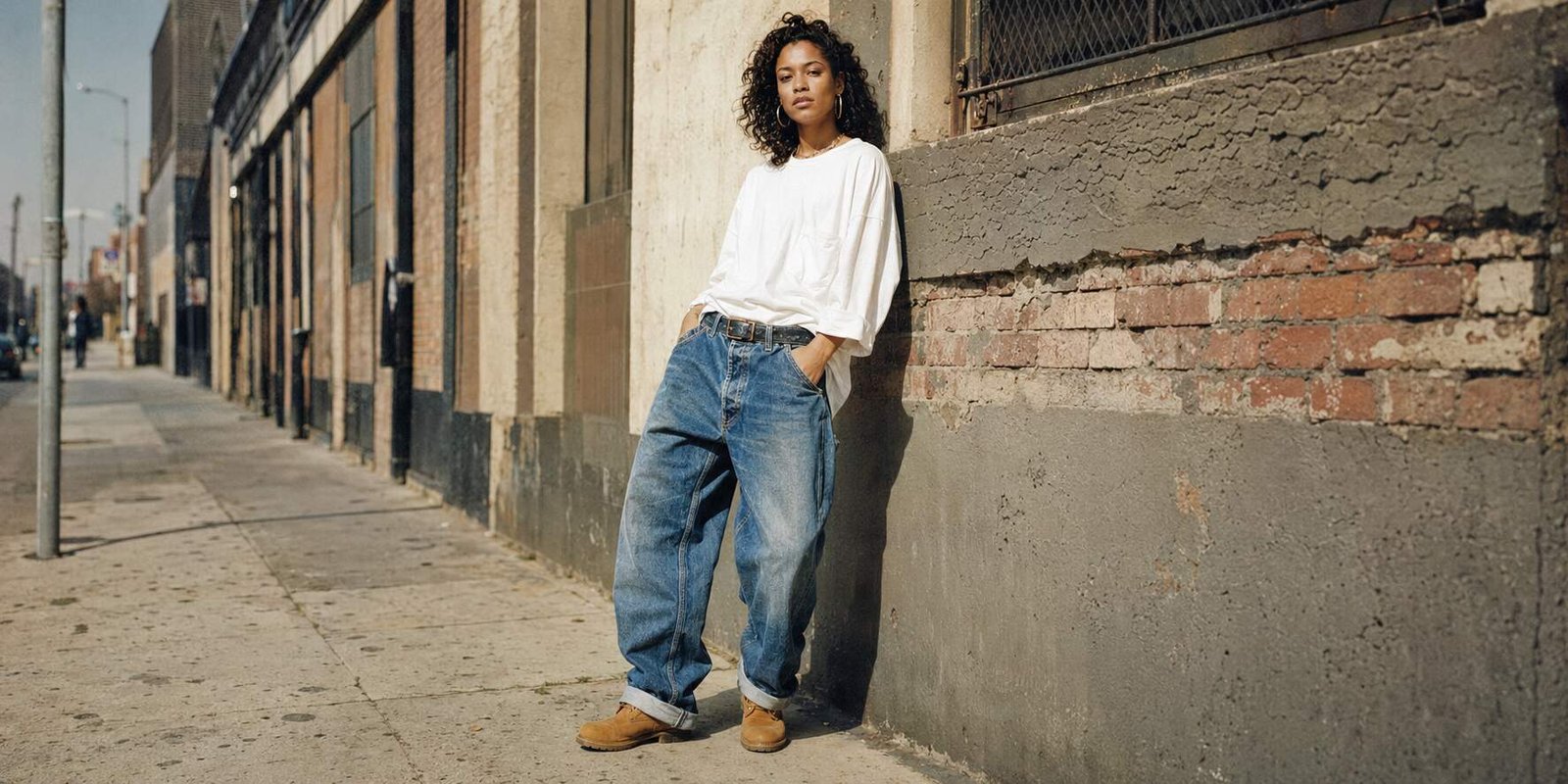
Dive Deeper: Why They’re Here to Stay
The reason boyfriend jeans remain relevant is their versatility and adaptability to different styles and eras. Here’s how they stay relevant despite changing trends.
| Trend | How Boyfriend Jeans Adapt | Outcome |
|---|---|---|
| Y2K Revival | Feminine silhouettes and retro detailing | New retro looks with modern twists |
| Minimalism | Neutral tones and simple cuts | Clean, effortless style that appeals to all ages |
| Workwear Expansion | Stonewash finishes and practical fits | Blending casual wear with professional aesthetics |
They weren’t just a temporary trend. They’ve survived because they fit into so many lifestyles and fashion eras. Whether you’re into minimalism or Y2K revival, boyfriend jeans can be styled to match.
What body type is best for boyfriend jeans?
You may think boyfriend jeans are only for people with broad shoulders or long legs. But the truth is, they work for any body type. Let me explain how.
Boyfriend jeans are designed to be forgiving and adaptable. Their relaxed fit and longer length allow for movement and freedom, making them suitable for a wide range of body shapes. They’re especially flattering for people who prefer a more casual, laid-back look. Plus, their ability to hide flaws makes them a safe bet for those who want confidence without sacrificing comfort.
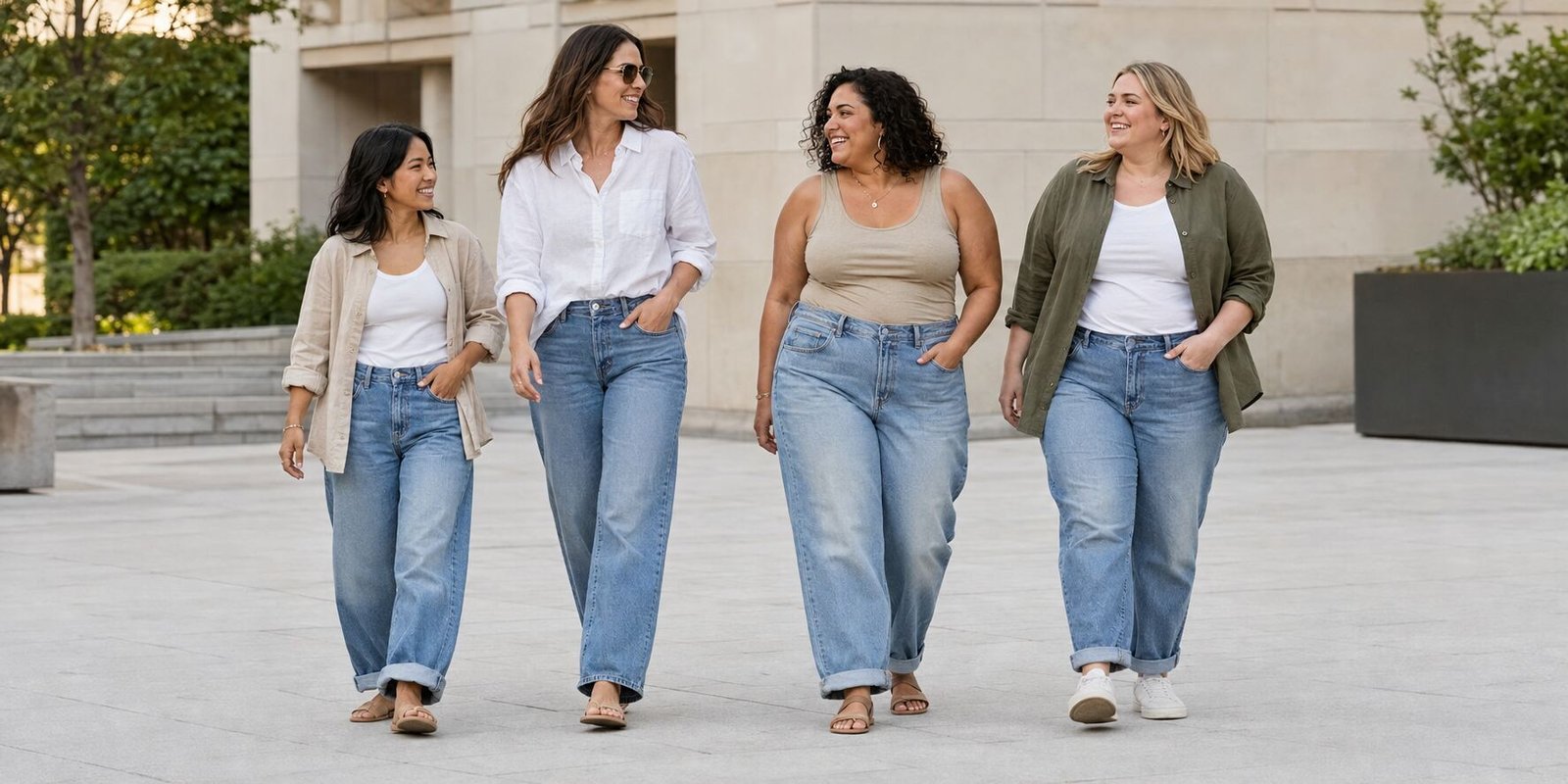
Dive Deeper: Fit for Every Body
The beauty of boyfriend jeans is that they’re not about a strict fit. Instead, they’re about freedom. Let’s break down how they work for different body types.
| Body Type | Best Fit | Why It Works |
|---|---|---|
| Athletic Build | Slim-fit boyfriend jeans | Balance between structure and comfort |
| Pear Shape | Extra-wide thighs | Hide curves and create a straighter silhouette |
| Tall Frame | Longer inseam | Add height without a wedgie |
| Short Frame | Ripped or cropped boyfriend jeans | Create the illusion of length |
They’re not just a one-size-fits-all solution. They’re designed to be flexible and functional. No matter your body type, there’s a boyfriend jeans style that works for you.
What makes boyfriend jeans different from regular jeans?
If you’ve ever wondered why boyfriend jeans feel so different from your everyday jeans, you’re not alone. Let’s break down the key differences that make them stand out.
Boyfriend jeans are looser, with a relaxed fit that allows for more movement. They often have a longer inseam and a more natural, unfitted silhouette. Regular jeans, on the other hand, are tighter and more structured. This makes boyfriend jeans ideal for casual wear, while regular jeans are better suited for formal or standard denim looks.
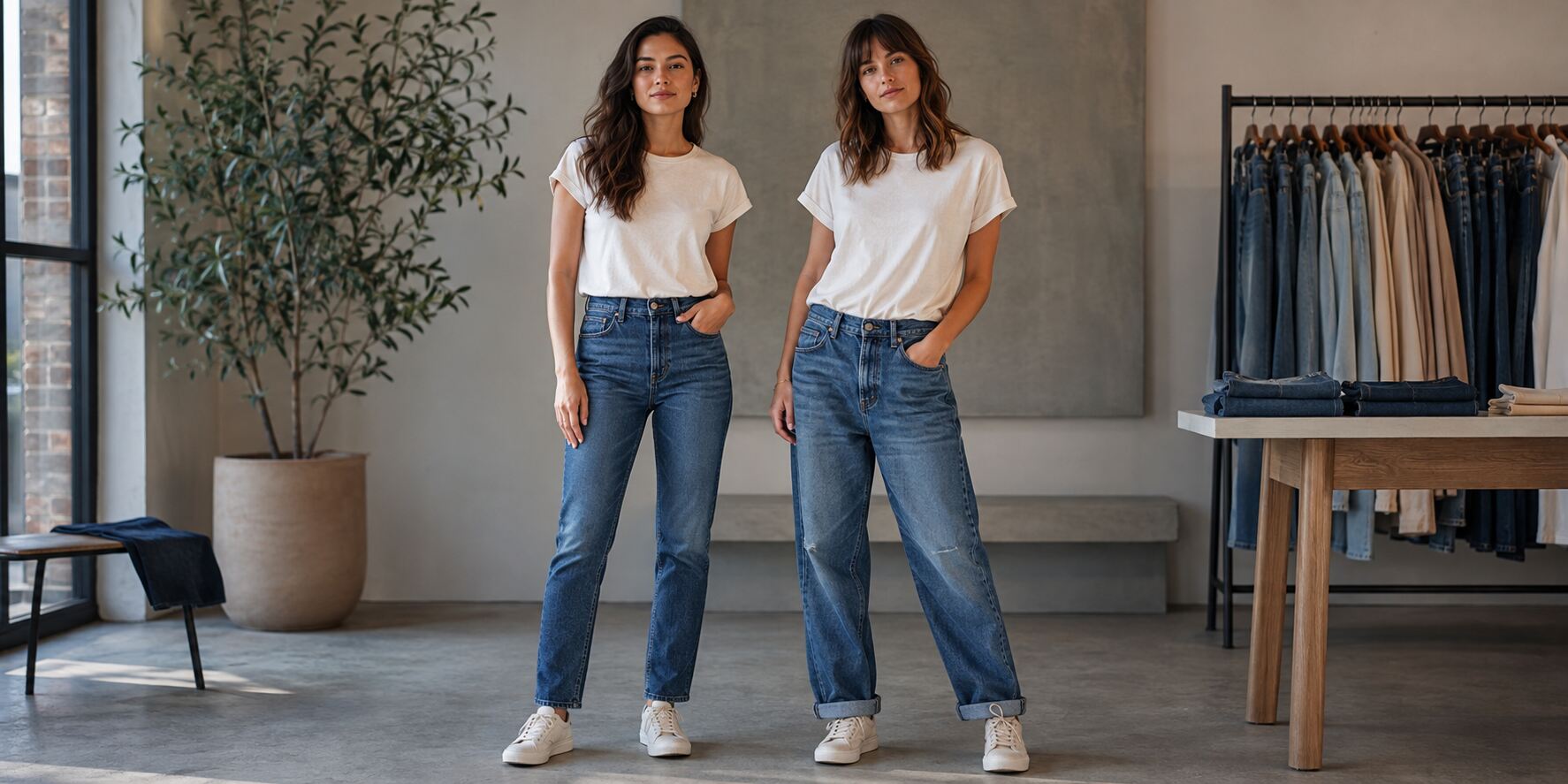
Dive Deeper: The Key Characteristics
The difference between boyfriend jeans and regular jeans goes beyond just the fit. It’s about how they’re made and how they’re used.
| Feature | Boyfriend Jeans | Regular Jeans |
|---|---|---|
| Fit | Relaxed, looser | Tighter, structured |
| Inseam | Longer | Standard |
| Flexibility | Higher | Lower |
| Versatility | Can be paired with anything | Best for casual settings |
| Style Focus | Timeless, effortless | Trend-driven, structured |
They’re not trying to be perfect. They’re trying to be comfortable. This makes them a go-to choice for people who want to look stylish without feeling restricted.
Conclusion
Boyfriend jeans are here to stay. They offer comfort, versatility, and a timeless appeal that fits all body types. Their relaxed fit, adaptability, and cultural relevance make them a key player in modern denim fashion.
-
"1950-1959 | Fashion History Timeline", https://fashionhistory.fitnyc.edu/1950-1959/. A fashion-history source on denim can support the interpretation of loose jeans as part of denim’s recurring association with youth culture, anti-fashion, and informal dress rather than as a purely functional garment. Evidence role: historical_context; source type: institution. Supports: Boyfriend jeans began as a style associated with rebellion against tighter, more formal denim norms.. Scope note: This would support the broader cultural framing of denim as rebellious, not necessarily prove that the specific term “boyfriend jeans” originated as a rebellion. ↩
-
"1990-1999 | Fashion History Timeline", https://fashionhistory.fitnyc.edu/1990-1999/. A fashion-history overview of 1990s denim silhouettes can contextualize the prevalence of high-waisted or body-conscious jeans in the period, while noting that the decade also included loose grunge and hip-hop styles. Evidence role: historical_context; source type: institution. Supports: Tight or high-waisted jeans were a significant part of 1990s denim fashion.. Scope note: Because 1990s denim included multiple competing silhouettes, the source would contextualize rather than conclusively establish that tight, high-waisted styles universally “dominated.” ↩
-
"The impact of buying intention of global fashion on local substitute", https://pmc.ncbi.nlm.nih.gov/articles/PMC10689880/. Labor and fashion-industry research on workplace casualization and athleisure can support the broader shift toward informal clothing in late twentieth- and early twenty-first-century dress. Evidence role: general_support; source type: research. Supports: Boyfriend jeans’ appeal reflects a broader global movement toward casual wear.. Scope note: Such evidence would support the general casualization trend, not directly measure boyfriend-jean popularity. ↩
-
"Y2K Fashion 101: How the Millennium Started Trending All ...", https://www.vogue.com/article/y2k-fashion. Cultural and fashion-history sources on trend cycles can support the claim that 2010s and 2020s fashion revived late-1990s and early-2000s aesthetics while also favoring minimalist styling in some segments. Evidence role: historical_context; source type: research. Supports: Y2K nostalgia and minimalism influenced later revivals of 1990s and early-2000s denim styles.. Scope note: This would contextualize the listed influences but may not directly attribute boyfriend-jean popularity to both movements equally. ↩
-
"A SHEIN Case Study on Environmental and Social Impacts", https://scholarworks.uark.edu/cgi/viewcontent.cgi?article=1105&context=ineguht. Research on fast fashion and digital media can support the claim that accelerated production cycles and online communication shortened fashion diffusion times. Evidence role: mechanism; source type: paper. Supports: The internet and fast fashion accelerated the spread of fashion styles in the late 1990s and early 2000s.. Scope note: This supports a general diffusion mechanism and does not directly demonstrate the spread of boyfriend jeans specifically. ↩
-
"How Denim Became a Political Symbol of the 1960s", https://www.smithsonianmag.com/arts-culture/denim-political-symbol-1960s-180976241/. A denim-history source can document jeans’ associations with youth rebellion, counterculture, workwear, and street style across the twentieth century. Evidence role: historical_context; source type: institution. Supports: Denim has been associated with rebellion and street culture.. Scope note: The source would substantiate denim’s broader symbolism, not the specific causal pathway to boyfriend jeans. ↩