Skip to content

You see a tech CEO on stage in a hoodie and jeans. This casual look feels normal now, but it was once a radical statement against the corporate world of suits and ties.
Steve Jobs didn't make jeans cool for rebels, but he made them the official uniform for innovators. He gave denim a new identity: the symbol of disruptive thinking in business and technology.
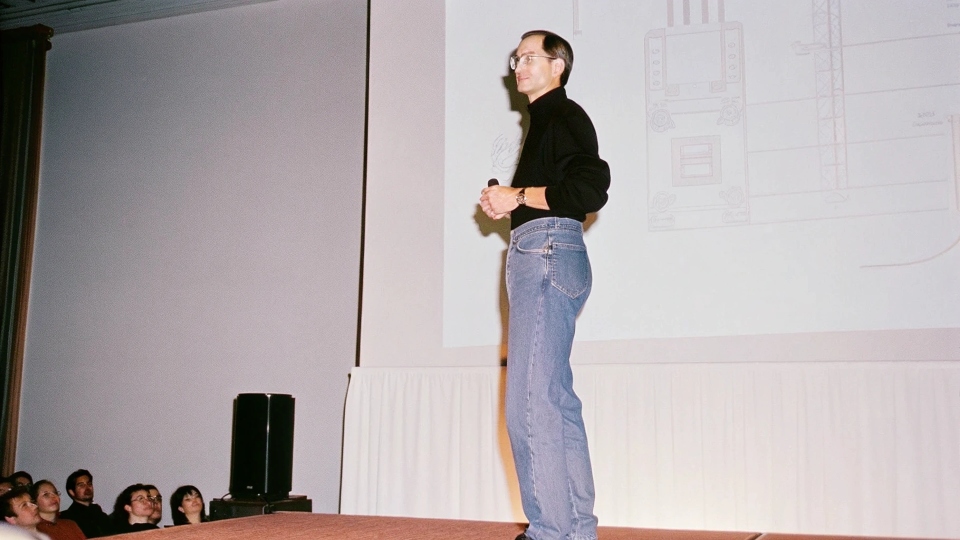
In my two decades of running a denim factory1, I've seen trends come and go. But the rise of "Silicon Valley Casual2" was a seismic shift.
For designers like Dean, understanding this cultural change is crucial. Jobs didn't just sell computers; he sold a new way of thinking, and his simple pair of jeans was a key part of that branding3.
Let's break down how he took a working-class staple and turned it into the Power Suit of the 21st century.
Who Really Made Jeans Cool?
You know Steve Jobs wore jeans, but he wasn't the first. The timeline feels crowded with actors and rock stars, so who actually started the trend?
Jeans were made cool in stages by cultural icons4. Marlon Brando and James Dean made them a symbol of rebellion in the 1950s, but Steve Jobs made them acceptable in the modern boardroom.
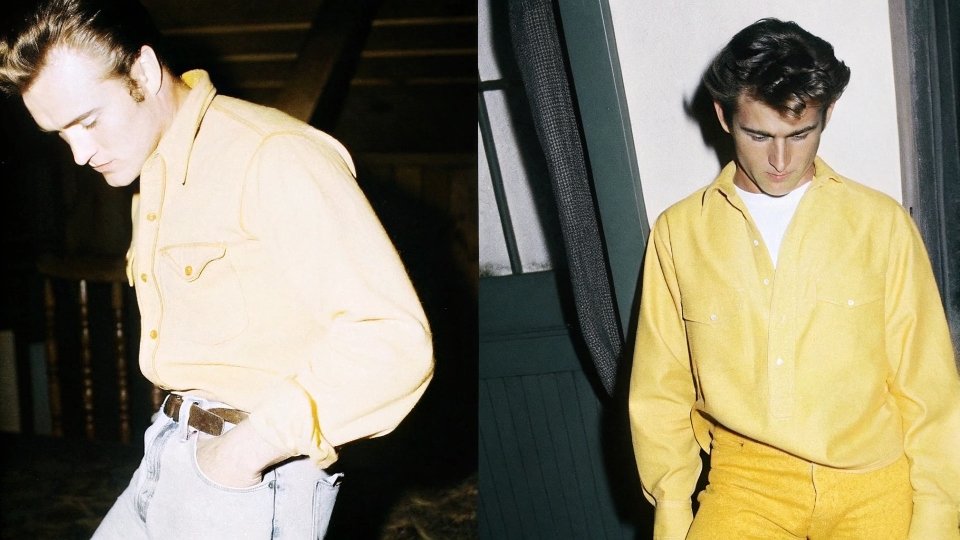
Before Silicon Valley adopted them, jeans already had a rich history of cool. In the 1950s, Hollywood actors gave denim its rebellious soul.
When Marlon Brando leaned against his motorcycle in The Wild One or James Dean slouched cooly in Rebel Without a Cause, they weren't just wearing pants. They were wearing a defiant attitude.
This cemented jeans as the uniform for youth counter-culture5. Then you have Marilyn Monroe, who showed they could be glamorous and feminine. What Steve Jobs did was entirely different.
He took this symbol of rebellion and introduced it into a world dominated by conservative business attire. By wearing jeans on a global stage to launch world-changing products, he made a powerful statement.
He was saying that ideas, not dress codes, were what mattered. He single-handedly created a new archetype: the brilliant, casual genius. Other leaders like Mark Zuckerberg and Jeff Bezos followed, solidifying jeans as the look of modern innovation.
What Jeans Did Steve Jobs Wear?
His look is iconic, but the specific details are what denim enthusiasts care about. Was he wearing a designer brand, or something more accessible?
Steve Jobs famously wore the classic Levi's 501 Original Fit jeans6. He typically chose a simple, light-blue wash that was unpretentious, comfortable, and timeless.
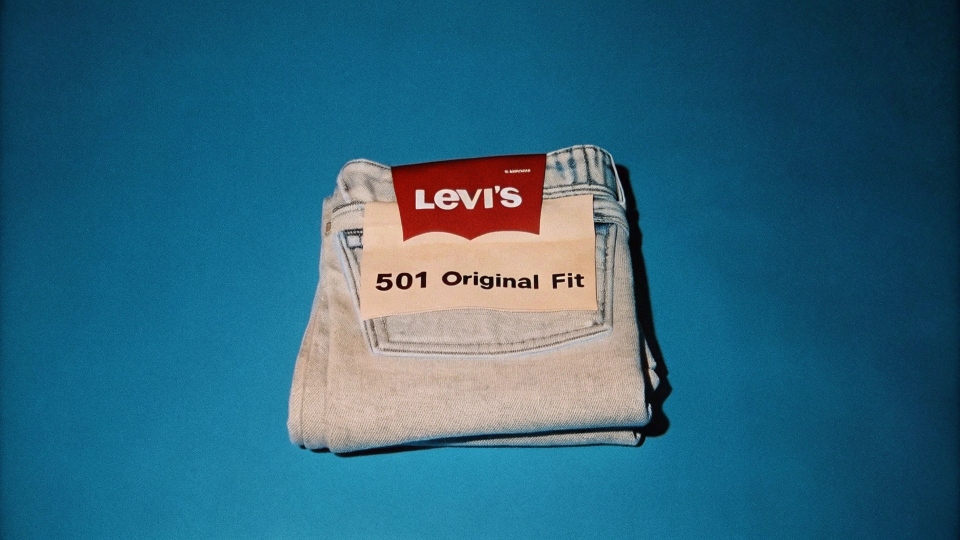
His choice of the Levi's 501 was deliberate and brilliant. As a denim manufacturer, I can tell you the 501 isn't just a pair of jeans; it's the blueprint. It's the original design from which almost all other jeans have evolved.
By choosing the 501, Jobs aligned himself with an icon of American design and ingenuity—the same values he was building at Apple.
He didn't pick a flashy, high-fashion brand. He chose something authentic, durable, and proven. The light-blue wash was also key. It wasn't the dressy, dark indigo that was popular at the time.
It was a comfortable, lived-in color that felt approachable and honest. It reinforced his personal brand as a man focused on the product, not on fashion trends.
He wasn't trying to look rich or powerful in the traditional sense; he was projecting intelligence and focus. The jeans were a tool, not a statement piece.
What Was Steve Jobs' Signature Outfit7?
The look is instantly recognizable. But was it just a comfortable habit, or was there a deliberate philosophy behind his self-imposed uniform?
His signature outfit was a three-part uniform: a black Issey Miyake turtleneck8, light-blue Levi's 501 jeans, and gray New Balance 990 series9 sneakers. He adopted it to reduce decision fatigue.

Jobs' "uniform" was a masterstroke of personal branding and efficiency. He explained in his biography that he had enough decisions to make each day and didn't want to waste mental energy on choosing what to wear.
This philosophy of radical simplicity10 mirrored his approach to product design at Apple. He believed in stripping away the unnecessary to get to the core of what works.
By creating a uniform, he eliminated a daily variable and focused his mind on what he felt was truly important. Each piece was chosen for its function, quality, and timeless design.
The Issey Miyake turtleneck was simple and elegant. The Levi's 501s were durable and classic. The New Balance sneakers were famously comfortable and well-engineered.
For a designer like Dean, this is a lesson that goes beyond clothing: your personal brand should be a consistent and authentic reflection of your work and philosophy.
| Clothing Item | Brand | Key Characteristic |
|---|---|---|
| Turtleneck | Issey Miyake | Minimalist, high-quality, consistent |
| Jeans | Levi's 501 | Iconic, durable, unpretentious |
| Sneakers | New Balance (990 series) | Comfortable, well-engineered, functional |
What Is the "Steve Jobs Syndrome"?
You've likely heard the term used to describe a certain type of boss. But what does this leadership style actually mean, and how does it relate to the man himself?
The "Steve Jobs syndrome" describes a leadership style characterized by a combination of genius-level vision and a harsh, demanding, and perfectionistic management approach. It is often used to describe brilliant but difficult leaders.
This term comes from Jobs' legendary—and often notorious—reputation as a manager, particularly during his first tenure at Apple.
Leaders with this "syndrome" possess an incredible ability to see the future and have impossibly high standards for their products and their people.
They can inspire teams to achieve things they never thought possible. However, the shadow side of this is a low tolerance for anything they perceive as mediocrity.
They can be brutally honest, dismissive of ideas they feel are subpar, and extremely difficult to work for. The same obsessive focus that led him to design the perfect computer also led him to demand perfection from everyone around him.
It is important to note, however, that many who knew him said he evolved. After being forced out of Apple and later returning, his leadership style reportedly became more patient and mature, though his demand for excellence never wavered.
Conclusion
Steve Jobs repurposed jeans from a symbol of rebellion to one of innovation. His simple uniform of a turtleneck, Levi's, and sneakers redefined boardroom attire and cemented denim's place in modern culture.
-
Gain insights into the denim manufacturing process and the evolution of denim fashion. ↩
-
Explore how Silicon Valley Casual transformed workplace attire and reflects modern innovation. ↩
-
Explore the importance of branding in shaping consumer attitudes and market success. ↩
-
Explore the influential figures who shaped denim's status in popular culture. ↩
-
Delve into the relationship between counter-culture movements and fashion trends. ↩
-
Discover the history and significance of Levi's 501 jeans in fashion and culture. ↩
-
Learn about the philosophy behind Jobs' iconic outfit and its impact on personal branding. ↩
-
Discover the design philosophy behind Issey Miyake's turtlenecks and their cultural impact. ↩
-
Learn about the features and history of New Balance 990 series sneakers. ↩
-
Understand the principles of radical simplicity and its application in product design. ↩