Skip to content

You see the iconic red tab everywhere, making you think Levi's is the only name that matters. But their dominance is more about history than a monopoly on quality or production.
Levi's1 dominates in brand heritage and cultural impact, but not the entire industry. True dominance is split between giant manufacturers who produce for many brands, and other major players who have their own loyal followings and market segments.
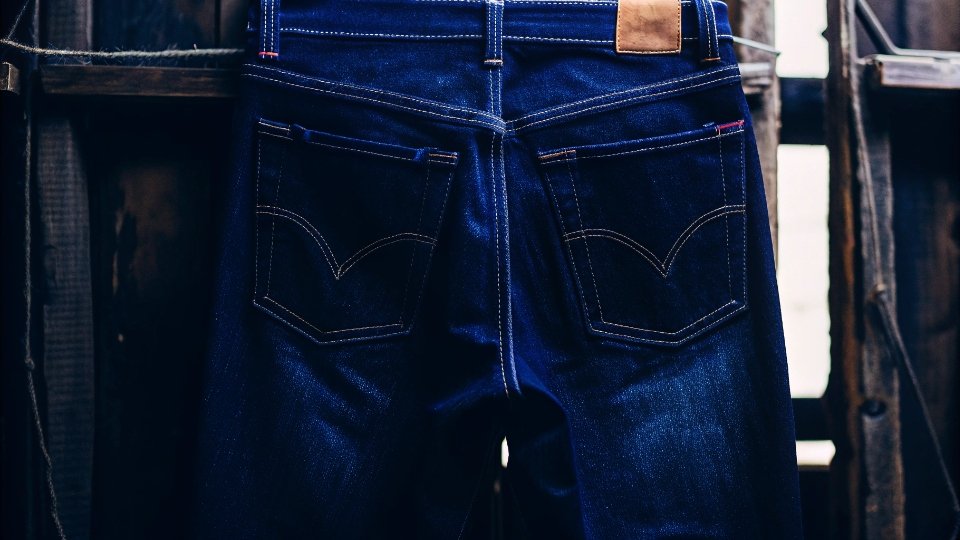
In my 20 years of making jeans, I have seen brands rise and fall. Levi's is a constant, a true icon. But behind that red tab is a complex global supply chain. People often get confused between a famous brand and a dominant manufacturer.
They are not the same thing. From my perspective as the owner of DiZNEW, a factory that brings designs to life, the question of "dominance" is very layered. It is about who makes the fabric, who sews the jeans, and who creates the iconic washes. Let us break down how this industry really works.
Who is the largest denim manufacturer2 in the world?
You probably think the biggest brand, maybe Levi's, must also be the biggest manufacturer. This common mix-up makes it hard to see who holds the real power in the denim industry.
The largest denim manufacturer is not a jeans brand. It is often a massive fabric mill like Isko from Turkey. These giants produce the denim fabric that hundreds of different brands, including big names, use to make their jeans.
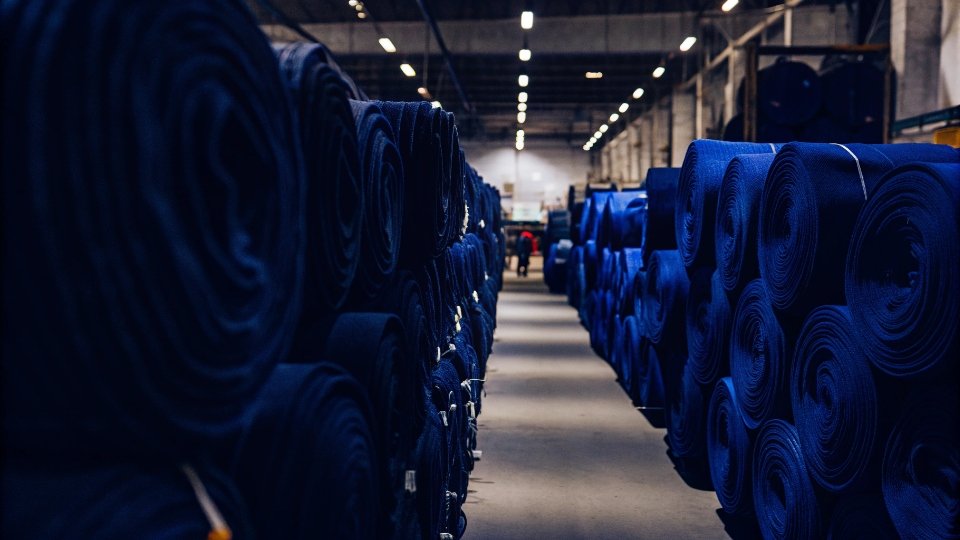
It is crucial to understand the different players in the denim game. Think of it as three separate steps. First, you have the fabric mills3. These are huge companies that specialize only in weaving denim fabric. They are the true innovators in fibers, sustainability, and new textures.
Then you have garment factories4, like my company DiZNEW. We buy the fabric from the mills and then cut, sew, and wash it to create the final pair of jeans for a brand. Finally, you have the brands themselves, like Levi's.
They handle the design, marketing, and selling to the customer. So, while Levi's is a gigantic brand, they do not own the looms that make all their fabric. The real volume leaders are the mills who supply the entire industry.
The Denim Supply Chain
| Player | Role | Example Company |
|---|---|---|
| Fabric Mill | Weaves the raw denim fabric. | Isko (Turkey), Cone Denim |
| Garment Factory | Cuts, sews, and finishes the jeans. | DiZNEW (China) |
| Brand | Designs, markets, and sells the final product. | Levi's, Lee, Wrangler |
What are the big 3 denim brands?
You hear about so many different denim brands every day. It is hard to know which ones are the true originals and the founding fathers of the entire industry.
The historical "Big 3" of American denim are Levi's, Lee, and Wrangler. These brands established the blueprint for modern jeans with their workwear roots, each contributing unique innovations that are still influential today.
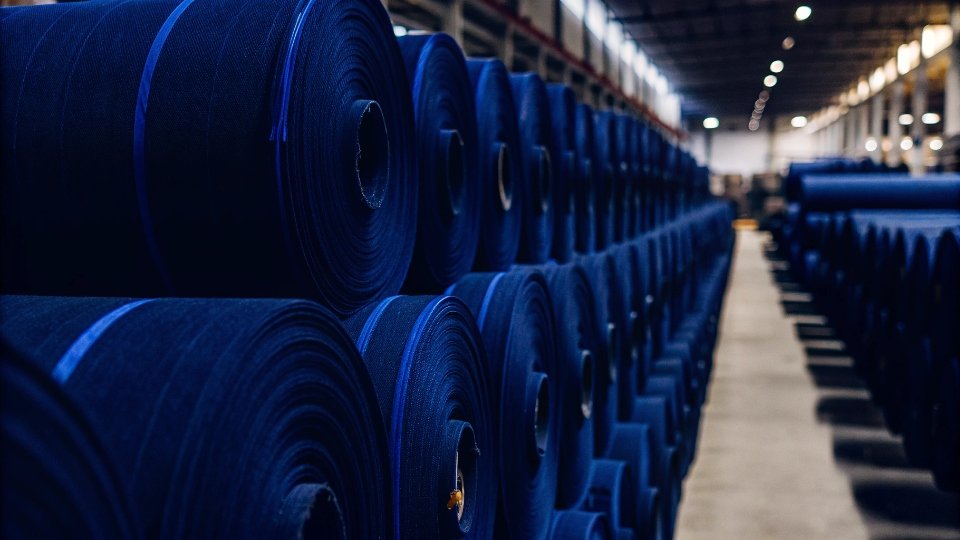
These three brands are the foundation of everything we know about jeans. They were not fashion companies; they made tough clothes for working people. Levi's started it all with their riveted pants for miners in the 1870s. They are the original.
Lee came along and gave us the "Union-All" work jumpsuit and was the first to put a zipper fly on jeans. They focused on workwear for farmers and mechanics.
Then came Wrangler. They hired a famous tailor to design jeans specifically for rodeo cowboys, with features like flat rivets that would not scratch a saddle. Today, even high-fashion designers like Dean still pull inspiration from the construction details of these three pioneers.
In my factory, we often get requests to replicate a certain type of Lee pocket stitch or a Wrangler-style yoke. Their DNA is in almost every pair of jeans made today.
Why is Levi's so popular?
You see Levi's on construction workers, on fashion models, and on your dad. You cannot figure out how one single brand can appeal to so many completely different groups of people around the world.
Levi's popularity stems from its authentic American heritage5, timeless designs like the 501, and its ability to be a cultural symbol for rebels and everyday people alike. This powerful story, combined with broad accessibility, keeps it relevant.
Levi's is a master of market segmentation6. This is a very important lesson for anyone starting a brand. They have created a product for literally every budget and quality expectation.
This is the secret to their broad appeal. You can go into a department store like Kohl's and buy a pair of Levi's for a very affordable price. The fabric and construction are made to fit that price. But then you can go into a Levi's flagship store and find much higher quality models.
And if you go even further, you can find their premium lines7, like Levi's Vintage Clothing, which obsessively recreates historical models with top-tier selvedge denim8. Go to a Levi's store in Japan, and you might even find special editions made in Japan with natural indigo dyes9.
The name "Levi's" means different things to different people because the quality of the product you buy can vary so much.
What brand sells the most jeans in the world?
When asked who sells the most jeans, almost everyone would guess Levi's. But the real answer might surprise you, and it shows how the global clothing market truly works today.
While Levi's is a top contender in revenue, the brand that sells the most jeans by sheer volume is often a fast-fashion giant like Zara10 or a mass-market retailer like Walmart with its in-house brands, due to low prices and rapid turnover.
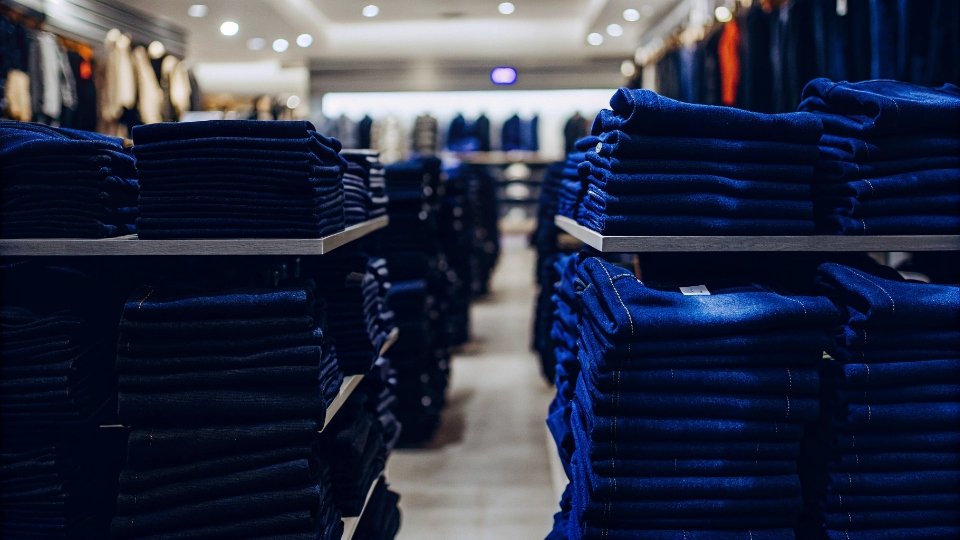
It is important to separate two ideas: revenue and volume. Revenue is the total amount of money a company makes. Levi's sells jeans for an average of, say, $50 to $90, so their revenue is massive.
But volume is the total number of individual pairs sold. A fast-fashion brand selling jeans for $25 will have to sell twice as many pairs to make the same amount of money.
Because of their incredibly low prices and global reach, brands like Zara, H&M, or even the generic brands sold at huge retailers like Walmart often move more physical units than anyone else. From a manufacturing standpoint, these are two completely different worlds.
A production run for a premium brand might be 5,000 pairs with complex washing. A run for a mass-market brand could be 200,000 pairs with a simple rinse. They both sell "jeans," but the business is not the same.
Conclusion
Levi's is a denim icon, but true industry dominance is complex. It is shared between historic brands, massive fabric mills3, and high-volume retailers, each ruling their own part of the market.
-
Explore the history and cultural significance of Levi's, a brand that has shaped the denim landscape for over a century. ↩
-
Learn about the key players in denim manufacturing, including the giants that supply fabric to many brands. ↩
-
Discover how fabric mills innovate and produce the raw materials essential for denim production. ↩ ↩
-
Understand the critical role garment factories play in transforming fabric into finished jeans. ↩
-
Explore how Levi's authentic American roots resonate with diverse consumer groups worldwide. ↩
-
Learn how Levi's effectively targets different market segments to maintain its broad appeal. ↩
-
Explore Levi's premium offerings that cater to high-end consumers seeking quality and exclusivity. ↩
-
Learn about the craftsmanship and quality associated with selvedge denim, a hallmark of premium jeans. ↩
-
Discover the sustainable practices behind natural indigo dyes and their impact on denim quality. ↩
-
Discover how Zara's pricing strategy and rapid turnover contribute to its success in the denim market. ↩