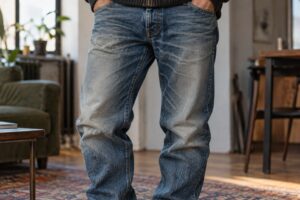

You just bought a new pair of jeans, but they feel more like cardboard than clothing. They're stiff, rigid, and uncomfortable. You wonder if you'll ever achieve that perfectly soft, worn-in feel of your old favorites.
To make jeans softer, wash them inside out with vinegar instead of detergent, and then tumble dry1 them on low heat with wool dryer balls. The combination of the wash and the physical tumbling action breaks down stiff fibers.

In my 20 years running the DiZNEW denim factory, this is one of the most common goals I hear from both designers and customers. Everyone wants that "lived-in" softness from day one.
In the factory, we have professional methods to achieve this, but there are also fantastic tricks you can do at home. Understanding why your jeans are stiff in the first place is the key to choosing the right method to soften them effectively.
How to make jeans extremely soft?
You love the look of raw, authentic denim, but the break-in period feels like a chore. You want that super-soft vintage feel now, without having to wait years for it to happen naturally.
To make jeans extremely soft, use a "softening cocktail2" at home. Wash them with a cup of white vinegar, add fabric softener to the rinse cycle, and tumble dry them with three clean tennis or wool dryer balls.

This combination attacks the stiffness from multiple angles. When a designer like Dean wants a garment to feel soft right off the shelf, my factory has a special process. But you can replicate the core ideas at home.
The Home Softening Method
The goal is to remove factory finishes and relax the cotton fibers. The vinegar3 in the wash cycle is brilliant because it helps strip away any residual "sizing" (a starch used in manufacturing) without being harsh on the fabric. The fabric softener then coats the fibers to make them feel smoother.
The most important step is in the dryer. The constant tumbling motion combined with the dryer balls physically beats the fabric, breaking up the stiffness of the cotton fibers and leaving them significantly softer than if you were to just air-dry them.
The Professional Secret: Industrial Softeners
The user insight about adding softeners is exactly right. In my factory, for a "pre-softened" jean, the final step of the washing process is a rinse with a specialized chemical. These are usually silicone-based softeners.
They create a micro-coating on every single cotton fiber, which reduces friction between them. This is the secret to that slick, incredibly soft feel you find in many new jeans. It's an industrial process that provides immediate, consistent softness.
| Method | Key Ingredient/Tool | How It Works |
|---|---|---|
| Home Method | Vinegar & Dryer Balls | Strips sizing and physically beats fibers into submission. |
| Professional Method | Silicone Softeners | Chemically coats fibers to reduce friction and create a smooth feel. |
How to soften tight jeans?
Your jeans technically fit, but they feel uncomfortably tight around the waist and thighs. This restriction makes you not want to wear them, and you're worried you might have bought the wrong size.
To soften and loosen tight jeans, spray the tight areas with lukewarm water and then wear them around the house for an hour. Perform activities like squats and lunges to physically stretch the damp cotton fibers4 where you need more room.

This is a different kind of "softening." It's less about the texture of the fabric and more about relaxing its structure to give you a better fit. Cotton has a unique property: when it's wet, it has more give and can be molded. We use this principle to our advantage.
The "Wear Them Wet" Technique
This is the most effective way to get a custom fit. You don't need to soak the entire pair. Just take a spray bottle with lukewarm water and dampen the specific areas that feel too tight—usually the waistband, hips, and thighs. The warm water helps the cotton fibers relax.
Then, simply wear the jeans. Walk around, sit down, do some deep knee bends. This movement puts tension on the damp fibers, stretching them out. As the jeans dry on your body, they will set in this new, slightly larger shape, relieving the tightness. It's a classic trick that old-school denim lovers have used for generations.
Targeted Stretching Tools
If the waistband is the main problem, you can use a tool. A "waist stretcher" is a simple mechanical device you can buy online. After washing your jeans, while the waistband is still damp, you insert the stretcher and expand it to the desired size. You then let the jeans dry with the stretcher in place. This provides constant, even tension and is highly effective for adding that extra half-inch or inch of comfort right where you need it most.
Do jeans become softer after washing?
You washed your new, stiff jeans for the first time, expecting them to come out softer. Instead, they feel even more rigid than before. This is confusing and you wonder if you've done something wrong.
Yes, jeans are designed to become softer after washing. The process removes factory starches that cause stiffness. If they feel rigid after a wash, it's almost always because they were air-dried, which allows the cotton fibers to lock up stiffly.
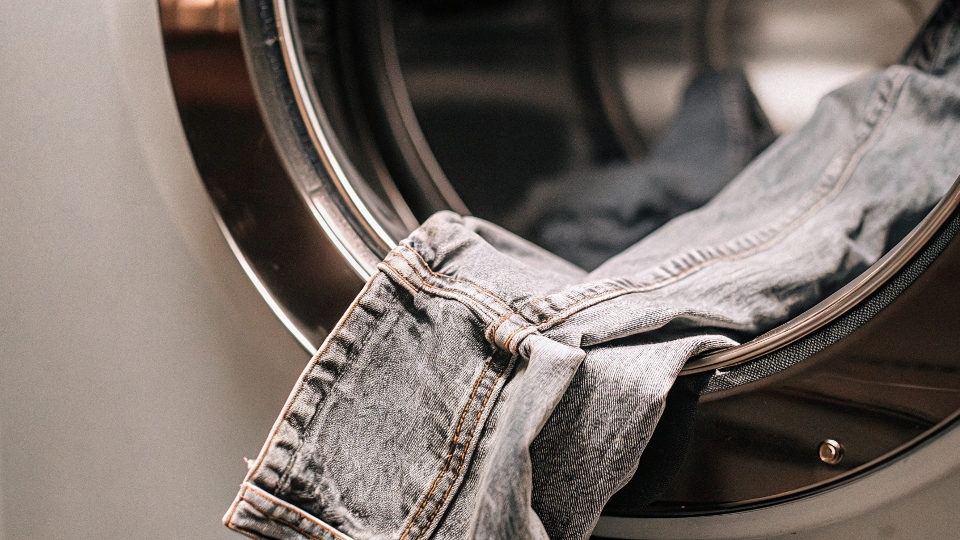
This paradox is something I explain to clients all the time. The wash itself does its job, but the drying method is what determines the final feel.
The Role of Sizing and Starch
In my factory, we have to make the cotton yarn5 very stiff to withstand the forces of our high-speed weaving looms. We apply a starch-like mixture called "sizing." Much of the initial stiffness you feel in a new pair of jeans is from this sizing. The primary purpose of the first few washes is to break down and wash away this substance. So, the washing machine is indeed your friend and the first step toward softness.
The Drying Dilemma: Tumble Dry vs. Air Dry
Here is the crucial part. When you let jeans air-dry, the water evaporates slowly. As it does, the microscopic cotton fibers bind together and lock into a rigid state. It’s the same reason a bath towel feels stiff and scratchy when you let it hang dry. A tumble dryer completely prevents this.
The combination of warm air and the constant physical motion of tumbling keeps the fibers separate and fluffy as they dry. This action is what makes the jeans feel soft and pliable, not stiff and crunchy. For ultimate softness, always tumble dry on low heat.
Why does my denim feel rough?
You've felt different pairs of 100% cotton jeans. Some feel buttery soft right away, while others feel coarse and scratchy. You're trying to understand what makes them feel so different if they are made of the same material.
Denim can feel rough due to the quality of the cotton used, the presence of factory starches left in the fabric, or the specific weave. Cheaper denim often uses shorter cotton fibers, which create a coarser yarn and a rougher surface.

As a manufacturer, I know that the final feel of a fabric is determined long before it's ever sewn into a pair of jeans. Several key factors are at play.
It Starts with the Cotton
The single biggest factor is the length of the raw cotton fibers, known as the "staple length." High-quality varieties like Pima or Egyptian cotton have very long fibers. When these are spun into yarn, the yarn is smoother and stronger because fewer tiny fiber ends are sticking out.
Cheaper, commodity-grade cotton has a shorter staple length. This results in a yarn that is fuzzier and has a much rougher feel against the skin. So, a premium jean often starts with a premium raw material.
Factory Finishes (or Lack Thereof)
The second major reason is the finish. As I mentioned, most new jeans, especially "rigid" or "raw" denim, are full of industrial starch (sizing). This makes the fabric feel rough and papery. These jeans are designed to be broken in by the wearer.
Conversely, jeans that feel incredibly soft in the store have likely gone through an extensive wash process at the factory, which includes washing out all the starch and adding silicone softeners.
| Cause of Roughness | Description | Solution |
|---|---|---|
| Short-Staple Cotton | The raw material itself is coarse. | Not much can be done. Fabric softener can help slightly. |
| Factory Sizing | Starch left in the fabric from manufacturing. | Wash with vinegar and tumble dry. Softness will improve drastically. |
| Lack of Softening | The jean is "raw" or "rigid" by design. | Time and wear are the intended softeners. The process can be sped up at home. |
Conclusion
Making jeans softer is simple. The keys are to wash out factory starches, use vinegar3, and always tumble dry. Even the most rigid pair can be transformed into your most comfortable, softest jeans.
-
Understand the role of tumble drying in achieving soft, pliable denim after washing. ↩
-
Find out how this unique method can transform your denim into a soft, comfortable fit. ↩
-
Learn how vinegar can break down stiffness in denim and enhance comfort. ↩ ↩
-
Learn about the importance of fiber quality in determining the comfort of your denim. ↩
-
Learn about the significance of yarn quality in creating comfortable jeans. ↩