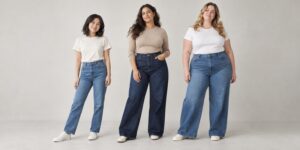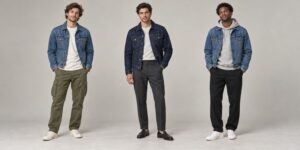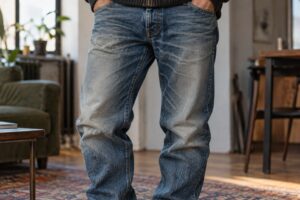

Jeans are more than just clothing—they're a reflection of your style. Finding the right type depends on your personality, body shape, and lifestyle, but the key is balancing comfort with trendiness.
Straight, tapered, or relaxed fits are the top choices in 2026[^1], thanks to their versatility and ability to flatter different body types. The best jeans combine support, texture, and a unique flair that matches your aesthetic.
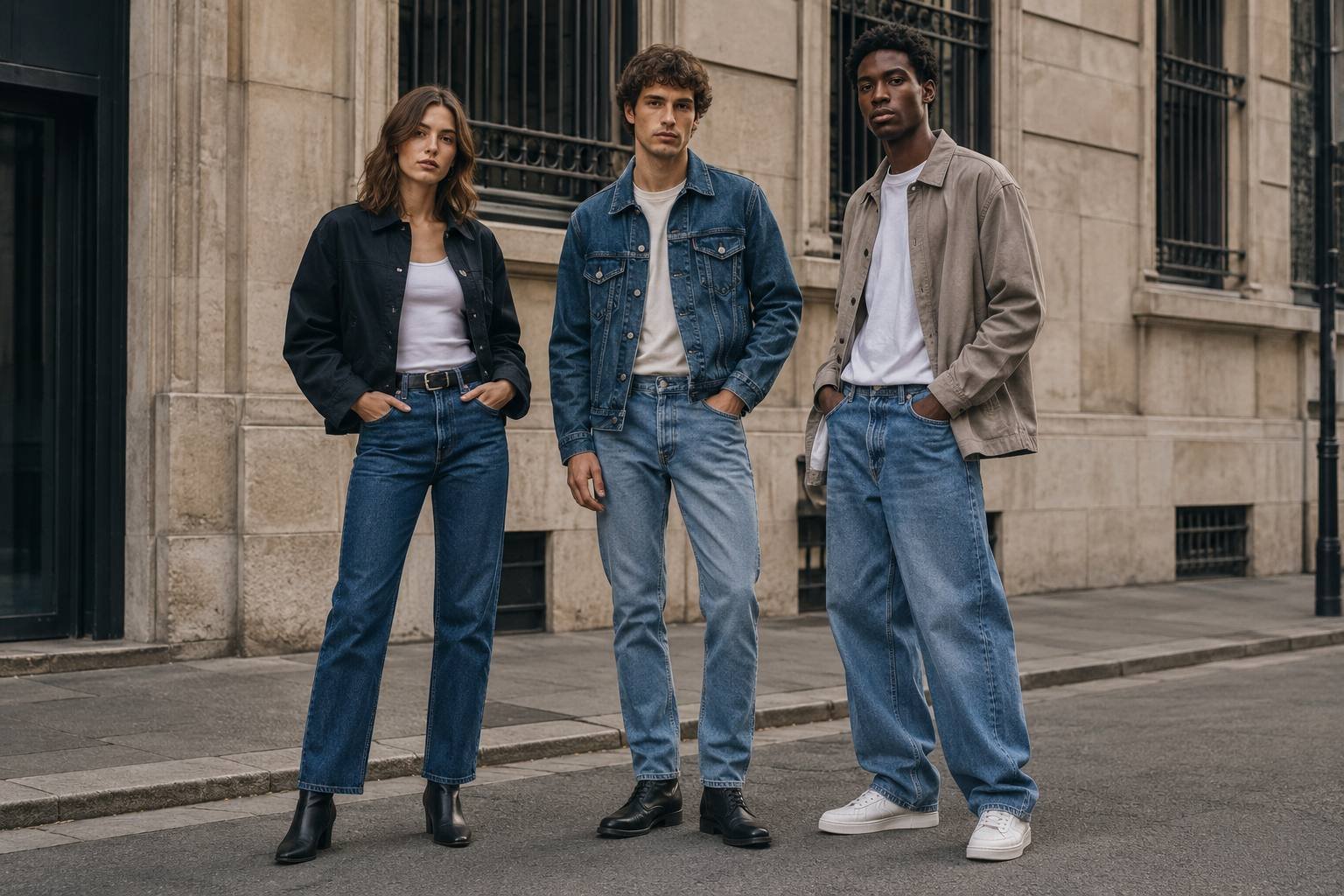
Let’s start by asking: what’s trending now? Then, we’ll explore how to find the ideal fit for your body. After that, we’ll discuss outdated styles and reveal the ultimate answer to what makes jeans your favorite.
What Type of Jeans Are Most Popular Right Now?
The 2026 Denim Renaissance
In 2026, the focus isn’t on strict trends—it’s on timeless styles that adapt to modern tastes. My go-to picks include tailored straight leg jeans and relaxed tapered cuts, which offer both structure and comfort.
Straight leg jeans remain a staple for 2026[^2] due to their balanced fit and minimalist design. Tapered styles have also gained traction, offering a sleeker look without sacrificing mobility. Collaborative fits like bootcut and baggy are still present but are used more intentionally.
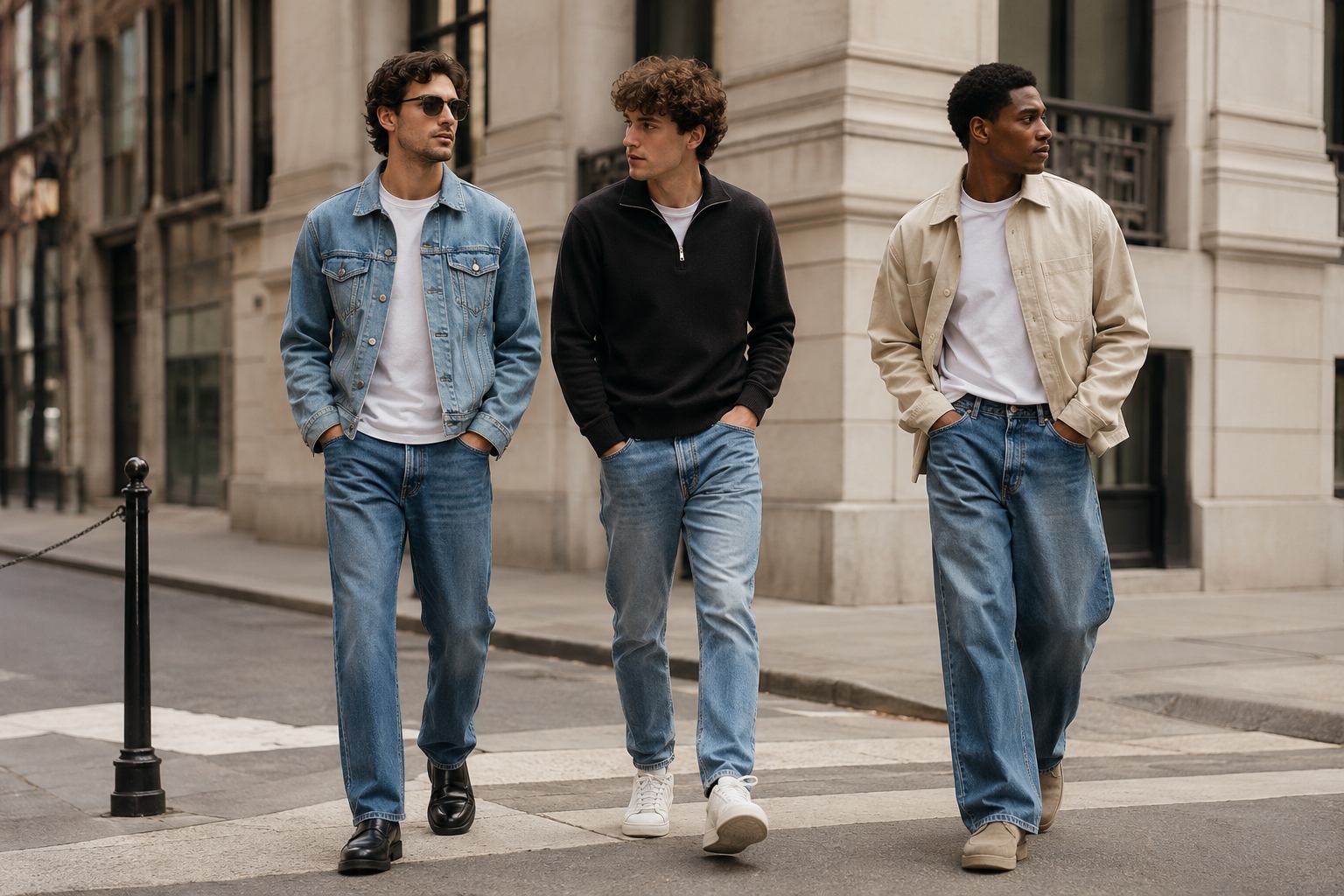
Now that you know what’s popular, how do you find what suits you? Let’s break it down.
What Type of Jeans Look Best on Me?
Customizing for Your Body and Lifestyle
Your ideal jeans depend on your proportions and daily activities[^3]. Whether you're chasing a slim, flattered look or a rugged, vintage aesthetic, there’s a style that complements your shape and personality.
For a classic fit, straight leg jeans work for most body types. Tapered styles are tailored to narrow the lower legs while maintaining thigh room, avoiding the pitfalls of overly tight or boxy fits. The right length and fabric can make all the difference.
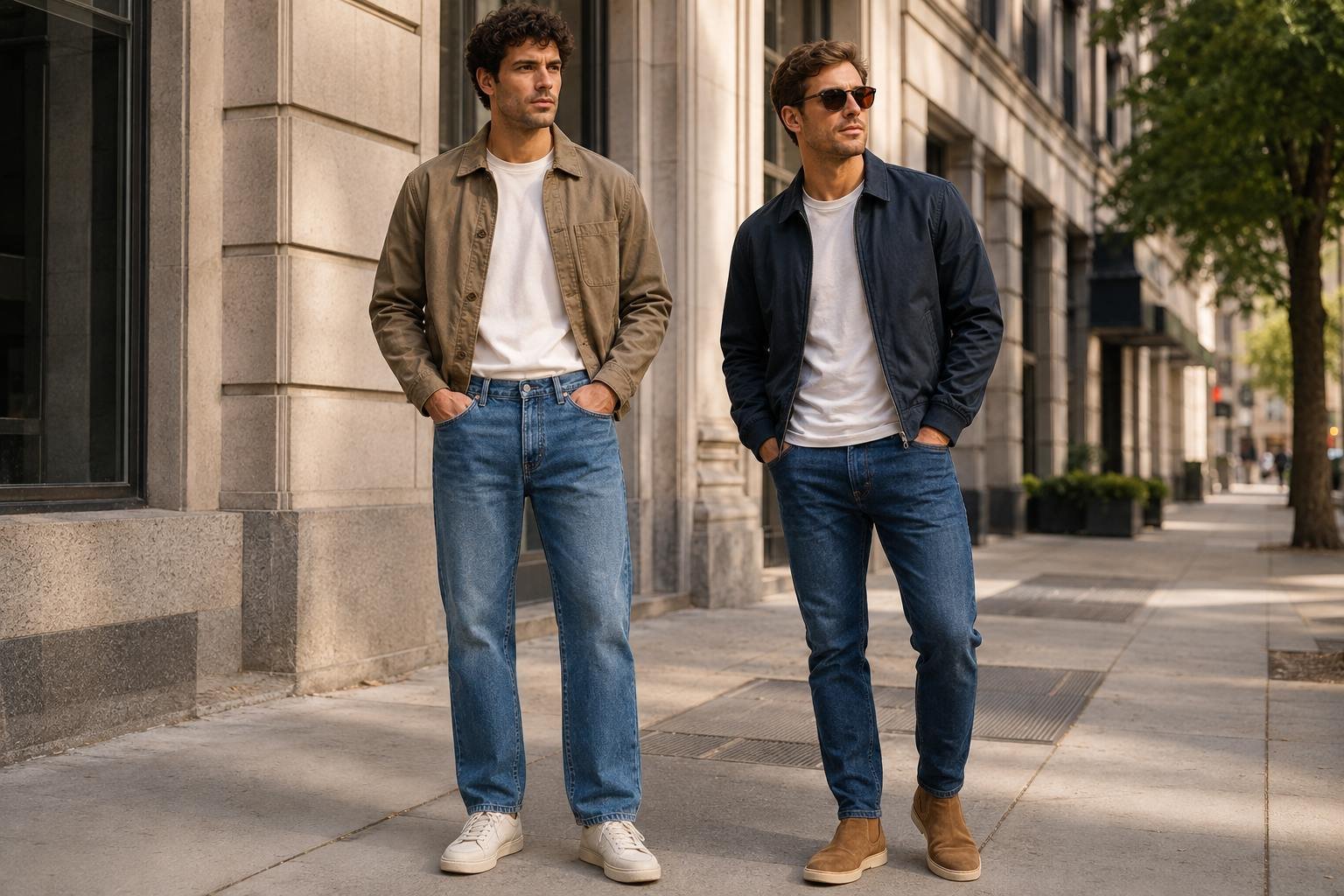
Understanding what works for you is the first step. Let’s now explore what’s falling out of favor in 2026.
What Jeans Are Out of Style in 2026?
The Evolution of Denim Fashion
Certain jeans are fading from popularity. Their lack of versatility, outdated silhouettes, or extreme trends make them less appealing in a modern wardrobe.
Overly tight emoji jeans, excessive fraying, and overly distressed colors are no longer in demand[^4]. In 2026, the focus is on cleaner lines, structured fits, and sustainable practices that prioritize function and longevity.
!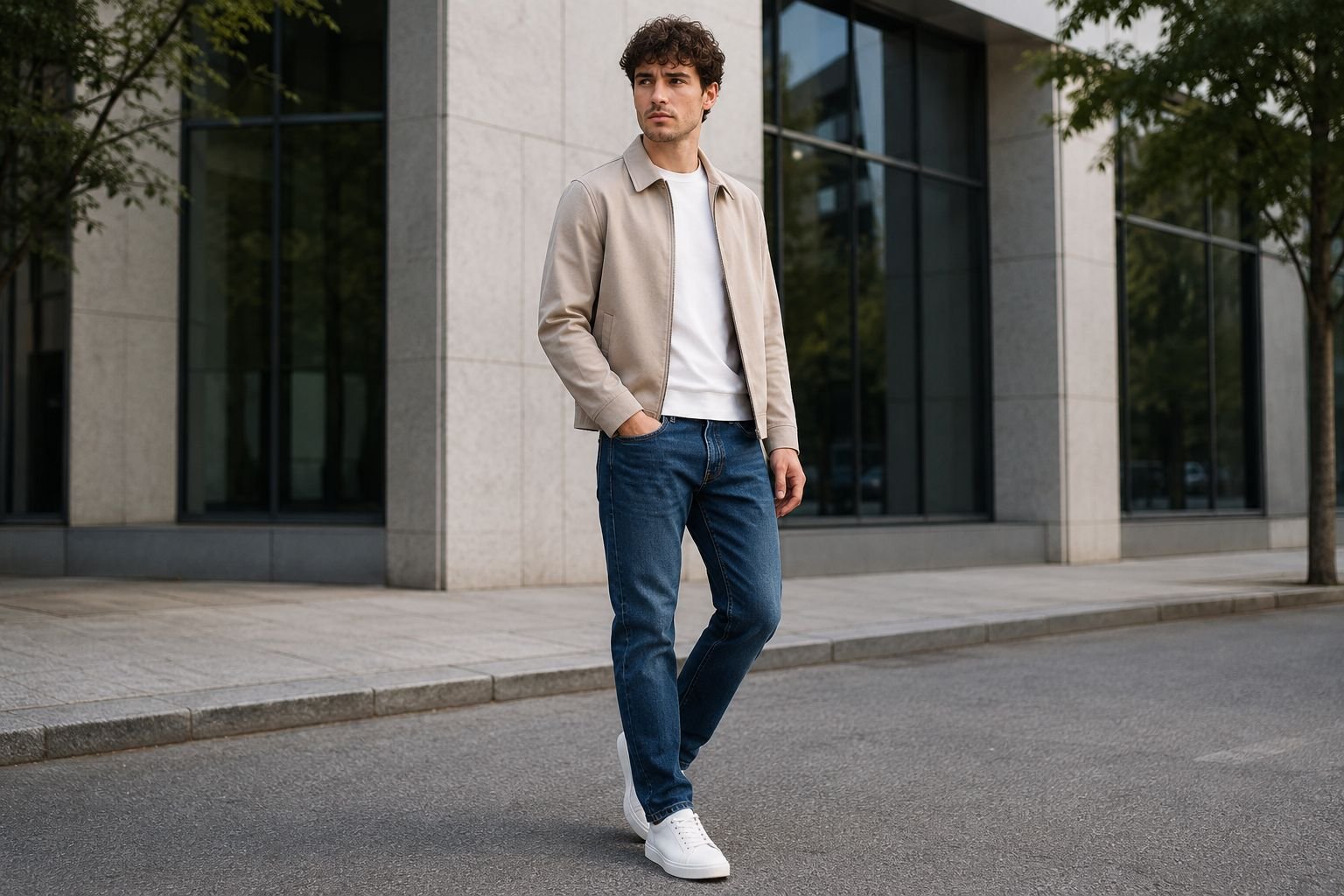
Avoiding these styles helps you stay on trend. Now, let’s answer the ultimate question: what makes jeans your favorite?
What Is the Best Type of Jeans?
The Ultimate Guide to Your Signature Style
The "best" jeans are the ones that feel like an extension of your identity. They combine comfort, durability, and a design that speaks to your values without overcomplicating things.
My favorite jeans are straight or tapered styles that adapt to my body type and activity level. They offer support, room to move, and a finish that evolves with wear—whether that’s a soft, breathable feel or a rugged, aged texture.
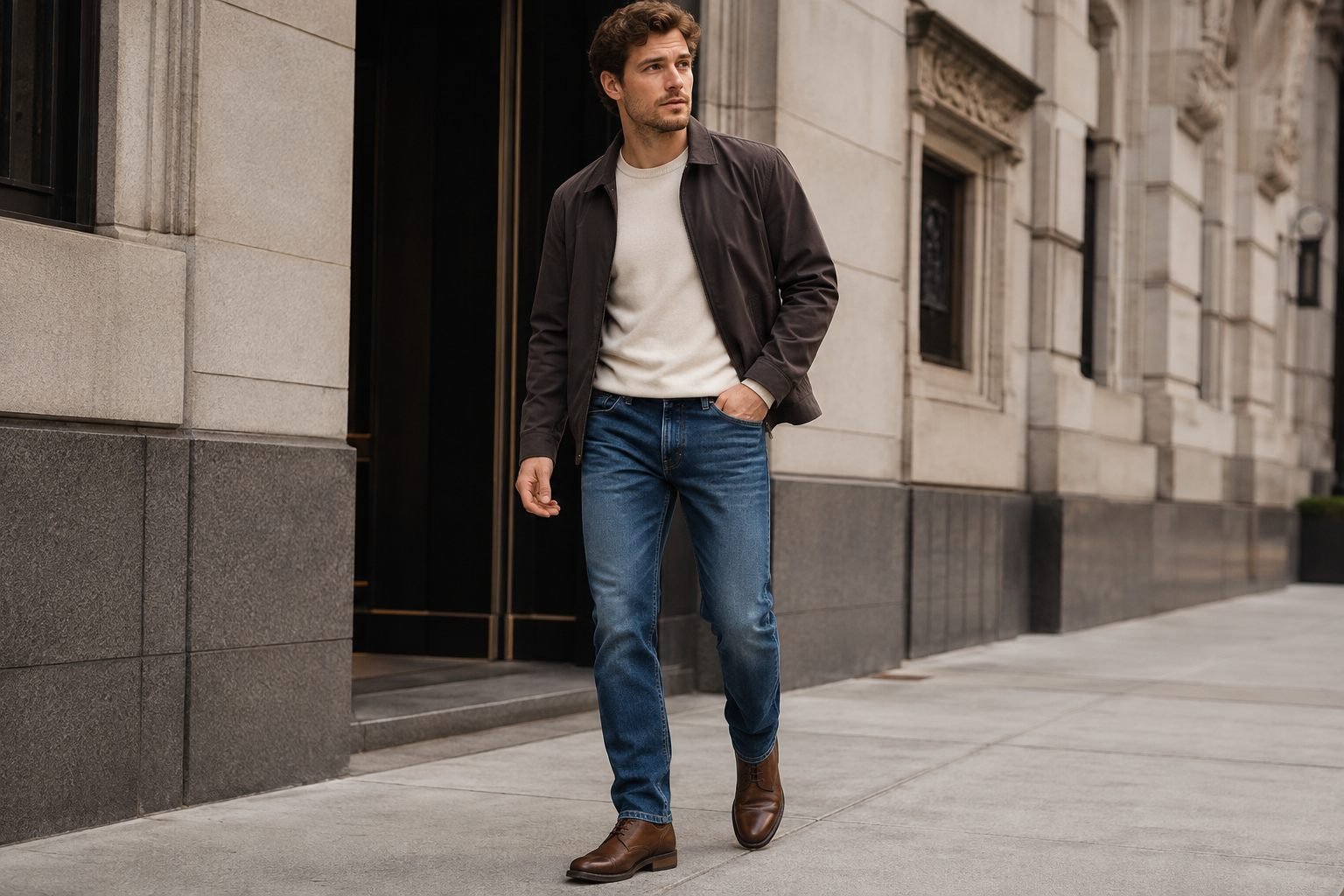
Now that we’ve identified the top choices, let’s dive deeper into how to select the perfect pair.
The Key Factors to Define Your Ideal Jeans
Choosing jeans isn’t about following trends—it’s about matching them to your lifestyle and goals. Let’s explore the main elements that influence this decision:
| Factor | Why It Matters | How to Choose |
|---|---|---|
| Fit | Affects how you move and how you look | Straight or tapered cuts for most body types |
| Fabric | Determines comfort and durability | 100% cotton for aging, stretchy blends for ease[^5] |
| Color | Impacts your overall silhouette | Original blue for versatility, black for structure |
| Finish | Reflects your personal taste | Minimal distress for casual wear, textured edges for edge |
The core of modern denim preference is versatility. Straight leg jeans are designed to fit every body type, but they still require careful attention to waistband height and leg width. Tapered styles are more forgiving, as they reduce bulk in the lower legs while allowing room in the thighs for movement. If you’re into "hugging" looks, bootcut jeans offer a balance between coverage and flair, and their subtle flare at the ankle makes them ideal for pairing with boots or thick-soled shoes.
Why Straight Leg Jeans Stay a Favorite
Straight leg jeans are the unsung heroes of denim. Their flat-front design hides curves without slouching, and the consistent width ensures a clean, structured silhouette. For 2026, they’re paired with light, breathable fabric to combat the weight of additional coatings. This makes them ideal for both casual outings and formal settings, as they can be tucked or worn loose depending on the occasion.
The Rise of Tailored Tapered Cuts
Tapered jeans are gaining traction because they offer a more modern, streamlined look. Unlike slim-fit jeans, they avoid the “squeezed” feel by keeping a slight gap at the ankle and tapering the leg from the knee down. This creates a sense of length while maintaining comfort, making them a favorite for those who need both form and freedom. The key is ensuring the taper doesn’t cut too close to the ankle, as that can create an awkward, tight look.
Evolving Aesthetics in 2026
This year, denim is shifting from overly rigid to more carefree. The obsession with distressed or oversized styles is fading, as people prefer clean, balanced cuts that work for multiple occasions. For example, a straight leg with a slight flare is now the standard in many designers’ collections, serving as a middle ground between casual and formal. The emphasis on sustainability also means fewer shrunken, loose-fitting styles are being pushed to the side.
How to Match Fabric to Your Needs
Fabric choice is one of the most critical decisions. If you’re prioritizing comfort for long days, a medium-weight denim with slight stretch is ideal[^6]. But if you’re into the "aged" look of "razione" (old jeans), choose 100% cotton denim that feels rigid at first. These styles require patience, as they improve with wear but may not suit those who prefer instant results. For a more polished approach, look for blended fabrics that add structure without heaviness.
Beyond the Cut: The Role of Color and Finish
Color and finish play a subtle yet powerful role in how jeans are perceived. Darker tones like black or original navy blue create a slimming effect, while lighter washes can enhance volume. To avoid the look of overly soft or baggy jeans, opt for a medium wash that wears naturally over time. The finish also matters—avoid excessive knots or absurd graphics that feel cluttered. A clean, unembellished look often wins the day, especially if you’re aiming for a minimalist, timeless aesthetic.
Balancing Style and Practicality
Your favorite jeans aren’t just about how they look—they’re about how they feel. A straight leg or tailored taper is the safest bet for most, but if you crave more definition, consider a slight flare or minimal taper. For a rebellious vibe, a relaxed fit with a high waistband can accentuate your silhouette without restriction. The key is avoiding extremes: a well-proportioned pair doesn’t fit your body too tightly or too loosely. This balance ensures your jeans become a reliable part of your wardrobe, adapting to your needs without compromise.
Conclusion
Your favorite jeans are the ones that feel like a perfect match for your style and life.
---

[^1]: "Crafting Levi Strauss: Iconic Jeans, Legendary Stories", https://www.lsfellowship.missouri.edu/article/crafting-levi-strauss-iconic-jeans-legendary-stories. A neutral fashion-trend or market-analysis source should document whether straight, tapered, and relaxed jeans are identified as leading denim silhouettes for 2026; such evidence would support the article’s trend framing rather than prove universal consumer preference. Evidence role: statistic; source type: institution. Supports: Straight, tapered, or relaxed fits are the top choices in 2026.. Scope note: Trend evidence may vary by region, gender category, retailer, and data source.
[^2]: "Denim: Fashion's Frontier - Fashion Institute of Technology", https://www.fitnyc.edu/museum/exhibitions/denim.php. A fashion-history or trend-analysis source should show that straight-leg jeans continue to be treated as a core denim silhouette in 2026; this supports the claim as contextual fashion consensus, not as a measured ranking across all markets. Evidence role: expert_consensus; source type: institution. Supports: Straight leg jeans remain a staple for 2026.. Scope note: The source may establish broad industry usage rather than quantify exact sales or popularity.
[^3]: "Performance Apparel: Patterning for Movement, Heat, and ...", https://www.rmcad.edu/blog/performance-apparel-patterning-for-movement-heat-and-weather/. A clothing ergonomics or apparel-fit source should explain that garment comfort and fit depend on body dimensions, movement requirements, and intended use; this supports the principle behind selecting jeans by proportions and activities. Evidence role: mechanism; source type: education. Supports: Your ideal jeans depend on your proportions and daily activities.. Scope note: Such evidence supports general apparel fit principles rather than prescribing one jeans style for every body type.
[^4]: "Like It's Going Out of Style: The Decreasing Demand for Jeans", https://www.thomasnet.com/insights/like-it-s-going-out-of-style-the-decreasing-demand-for-jeans/. A denim trend or consumer-market source should show declining demand for highly distressed, embellished, or extremely tight jean styles; this would support the article’s claim as a trend observation, not as a universal rule. Evidence role: statistic; source type: institution. Supports: Overly tight emoji jeans, excessive fraying, and overly distressed colors are no longer in demand.. Scope note: The specific phrase “emoji jeans” may not appear in neutral sources, so evidence may need to address embellished or graphic denim more broadly.
[^5]: "Stretch Denim Fibers for Comfortable Jeans", https://www.lycra.com/en/business/search-technologies/stretch-denim-fibers. A textile-science source should explain that cotton denim develops wear characteristics over time, while elastane or stretch blends improve extensibility and movement comfort; this supports the fabric-selection distinction made in the table. Evidence role: mechanism; source type: paper. Supports: 100% cotton is better for aging, while stretchy blends provide ease.. Scope note: Aging and comfort outcomes depend on weave, weight, finishing, fiber quality, and percentage of stretch fiber.
[^6]: "Fabrication and characterization of stretchable denim fabric using core ...", https://pmc.ncbi.nlm.nih.gov/articles/PMC8646987/. A textile or apparel-comfort study should show that fabric weight and elastane content influence mobility, pressure, and perceived comfort in denim garments; this supports the claim that medium-weight stretch denim may suit extended wear. Evidence role: mechanism; source type: paper. Supports: Medium-weight denim with slight stretch is suitable for comfort during long days.. Scope note: The term “ideal” is subjective and depends on climate, activity level, fit, and wearer preference.