
Tired of jeans that fall apart? Wondering what makes some pairs last forever? The secret is in the details, starting with the very edge of the fabric.
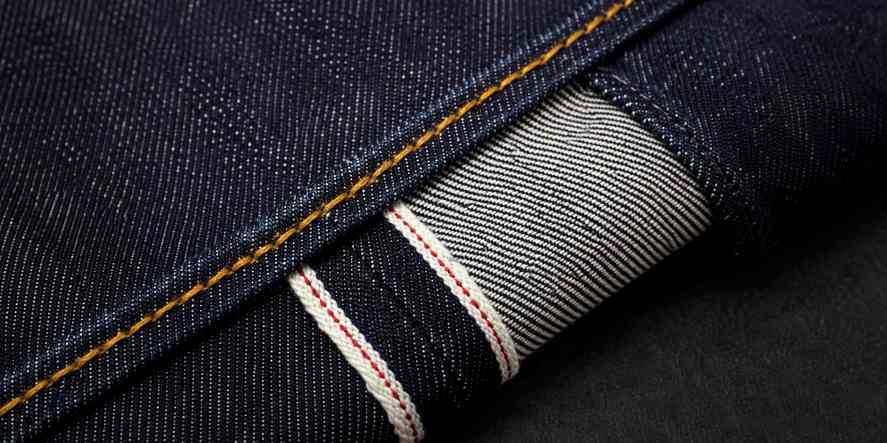
Selvedge jeans are considered better because they are woven on traditional shuttle looms. This process creates a clean, self-finished edge that prevents fraying1, making the jeans far more durable and well-crafted. This construction shows a higher attention to detail from the very beginning.
I've spent over twenty years of my life inside denim factories. I see the threads, the stitches, and the washes that tell the real story of a pair of jeans. It’s a story many people miss. Let's look closer at what truly makes a great pair of jeans. It is not just about the fabric itself. It is also about the history, the craftsmanship, and the value built into every pair. Understanding these elements is key.
What Are The Big 3 Jeans Brands?
You see their names everywhere. But do you know which brands truly defined the world of denim? Understanding their legacy is key to real market knowledge and design inspiration.
The "Big 3" of American denim are Levi's, Lee, and Wrangler.2 These brands are the pioneers of the industry. They established the standards for workwear and shaped the cultural identity of jeans for over a century, each with its unique construction details and powerful history.
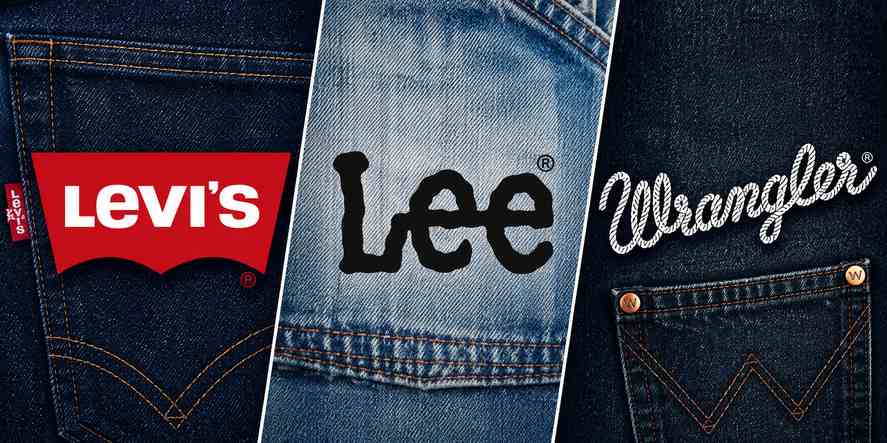
In my work, I see the DNA of these three brands in modern designs all the time. They are the foundation. A designer who understands them has a much deeper well to draw from. Each one brought something unique to the table that changed the industry forever.
The Pioneers of Denim
Levi's is the original. They patented the riveted blue jean in 1873 and created the template that everyone else followed. Their 501 jean is probably the most famous piece of clothing in the world.3 Next came Lee, which introduced innovations like the zipper fly in its 101Z jeans and the Union-All work jumpsuit4. They focused heavily on creating durable workwear for the American worker. Finally, there's Wrangler. They started later, specifically designing jeans for rodeo riders. Their designs included features like flat rivets that wouldn't scratch a saddle, making them a favorite in cowboy culture.
Here is a simple breakdown of their core contributions:
| Brand | Key Innovation | Target Audience | Iconic Model |
|---|---|---|---|
| Levi's | Copper Rivets | Miners, Laborers | 501 |
| Lee | Zipper Fly, Union-All | Railroad Workers | 101Z |
| Wrangler | Flat Rivets, "W" Stitch | Cowboys, Rodeo Riders | 13MWZ |
These brands didn't just sell pants; they built the culture around denim. For any designer today, referencing their heritage is a way to create something authentic and timeless.
Are Selvedge Jeans Really Better Quality?
You hear the word "selvedge" and immediately think "expensive." Is it just marketing hype, or is there real, tangible value behind that higher price tag?
Yes, selvedge jeans are genuinely better quality. The fabric is woven on slower, older shuttle looms, which results in a denser, stronger denim. The "self-edge" itself prevents the seam from unraveling over time, making it a clear indicator of superior craftsmanship from the moment the fabric is made.
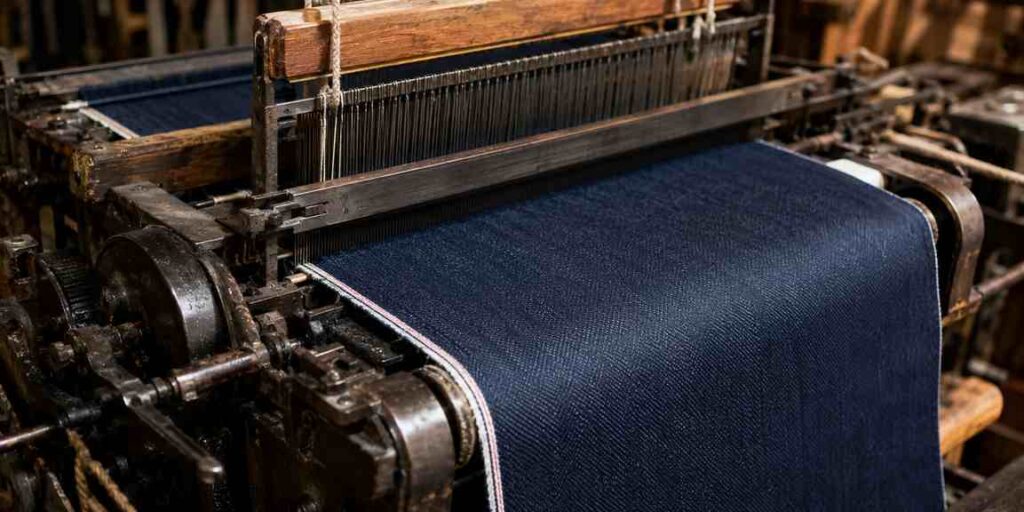
The difference isn't just a detail you see when you cuff your jeans. The quality begins with how the fabric is born. Having manufactured countless jeans, I can tell you the choice of fabric is the most critical first step.
The Craft of the Fabric
The core difference is the loom. Modern projectile looms are wide and incredibly fast, producing a lot of fabric quickly. But this speed comes at a cost. The edges of the fabric are frayed and must be sewn with an overlock stitch to stop them from falling apart.
Selvedge denim, however, is made on old-fashioned shuttle looms. These looms are much narrower, often only about 30 inches wide.5 The shuttle passes the weft thread back and forth, weaving a clean, tightly-bound edge on both sides of the fabric. This is the "self-edge." It doesn't need extra stitching because it's naturally finished. This slower, more careful process creates a denim that is not only stronger but often has more character and texture. This selvedge edge is a built-in guarantee of how the fabric was made. It's different from a simple "piping" or "overlocking," which are just sewing techniques applied after the fabric is cut. Selvedge is part of the fabric itself.
Is There Really a Difference Between $30 Jeans and $300 Jeans?
Confused by the huge price gap in jeans? It's easy to wonder if a higher price tag actually means better quality or if you're just paying for the brand's name.
Yes, there is a massive difference. The final price reflects everything from the quality of the cotton and denim, to the complexity of the washing process, the durability of the hardware, and the skill of the labor involved. A $300 pair almost always uses premium selvedge denim and artisanal techniques, which are simply absent in mass-produced $30 jeans.
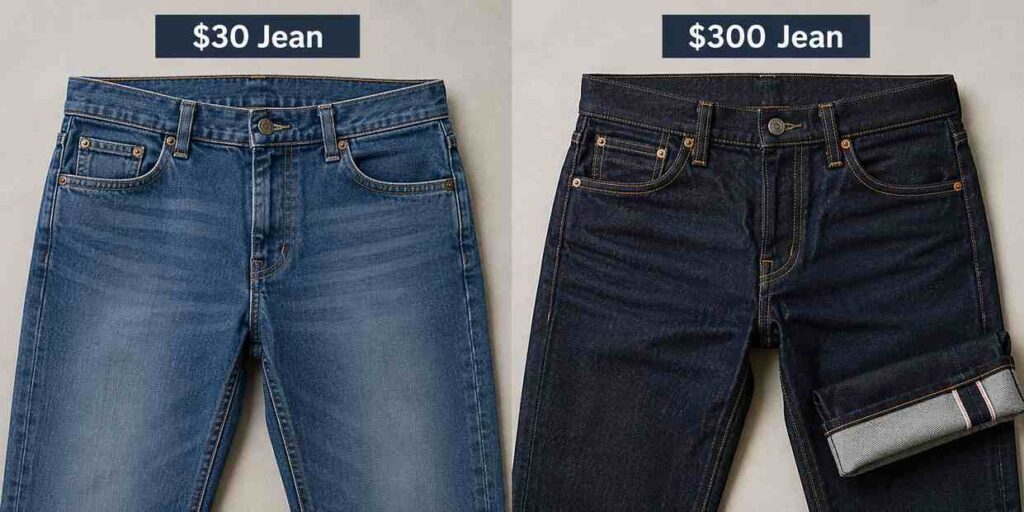
As a factory owner, I live these differences every day. I see exactly where the money goes, and it's not just into marketing. It goes into creating a product that lasts longer, fits better, and looks better with every wear.
A Breakdown of Cost and Quality
The fabric is the biggest factor. A $30 pair uses cheap, lower-grade "jeans" fabric, often not even 100% cotton. A $300 pair typically starts with premium selvedge denim. This is what we in the industry call true "denim," often made with traditional weaving methods and dyed with natural indigo. This fabric alone can cost many times more.
Then there is construction. Cheap jeans are sewn together as fast as possible on automated lines. Expensive jeans often feature details like chain stitching on the hem and waistband. This stitch is stronger and creates a beautiful "roping" fade over time, but it requires special vintage machines and skilled operators.
Finally, the wash. This is my area of expertise. A $30 pair gets a quick, simple chemical wash. A $300 pair might go through dozens of steps, many done by hand, to create a specific fade, feel, and finish.
| Feature | $30 Jeans | $300 Jeans |
|---|---|---|
| Fabric | Low-grade, non-selvedge, synthetic blend | Premium selvedge denim, often 100% cotton |
| Construction | Fast, automated sewing with weak thread | Skilled labor, chain stitching, strong thread |
| Wash | Simple, one-step chemical wash | Complex, multi-step, often manual processes |
| Hardware | Generic, flimsy buttons and zippers | Custom, durable rivets, buttons, and zippers |
So yes, the difference is very real. It's a choice between a disposable item and a long-term investment.
What Is The Oldest Jeans Brand In The World?
History gives a brand its soul and its story. Do you know where it all began? Knowing the true roots of denim helps you create authentic and compelling designs.
The oldest jeans brand is Levi Strauss & Co. The company was founded in San Francisco in 1853, first as a wholesale dry goods business. The brand patented its iconic riveted blue jeans with a tailor named Jacob Davis in 1873. This patent marks the official birth of the blue jean as we recognize it today.
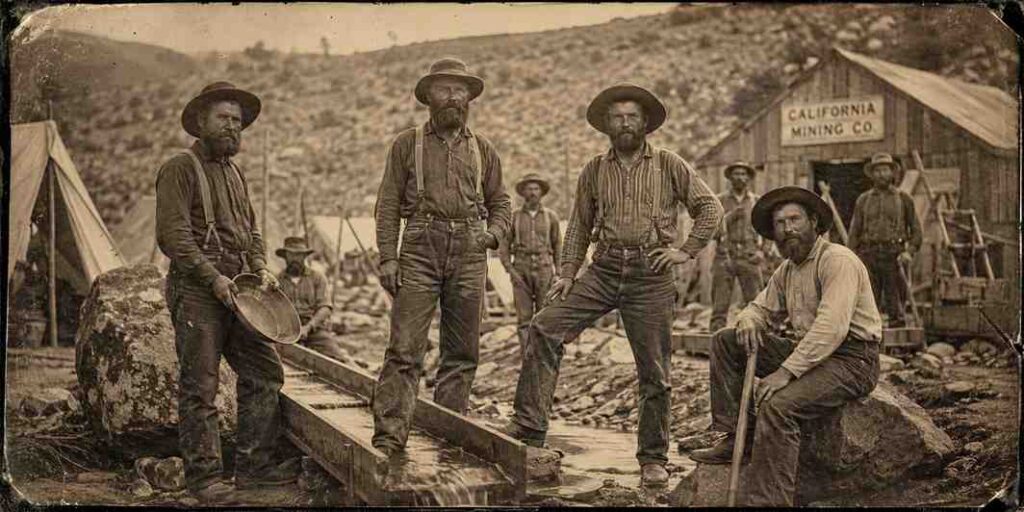
This isn't just a piece of trivia. The story of Levi's is the story of modern apparel. It’s about innovation born from a real need. For designers, this history is a constant source of inspiration. It proves that the best designs are often the simplest ones that solve a real-world problem.
The Birth of an Icon
The story starts with the California Gold Rush. Miners were constantly ripping the pockets of their work pants. A tailor named Jacob Davis came up with a clever idea: place small metal rivets, the same kind used on horse blankets, at the stress points of the pants, like the pocket corners. The pants became almost indestructible.
Davis didn't have the money to file for a patent himself. So, he wrote a letter to his fabric supplier, Levi Strauss, and proposed they go into business together. Strauss agreed. On May 20, 1873, they received U.S. Patent No. 139,121.6 The blue jean was born. Their famous "Two Horse" leather patch, showing two horses trying to pull apart a pair of jeans, became a powerful symbol of this durability. That one simple innovation—the rivet—turned a basic pair of work pants into a global icon.
Conclusion
Selvedge is a sign of good fabric, but true quality is a mix of fabric, construction, wash, and hardware. Knowing these details helps you create truly great jeans.
-
"What is Selvedge? Simple Guide to Quality Fabric Edges - PackLove", https://mypacklove.com/blogs/patches/what-is-selvedge-simple-guide-to-quality-fabric-edges?srsltid=AfmBOoqundDqwmhVHMwLMR1mgZm6ySAtD8Ogmiut8E_zqlsTlbbKQU24. A textile source should explain that a selvage is the self-finished edge of woven fabric and that this edge resists unraveling because the weft yarn turns back at the fabric edge. Evidence role: mechanism; source type: education. Supports: A selvedge edge is self-finished and helps prevent fabric-edge fraying.. Scope note: This supports the anti-fraying function of a selvage edge in fabric generally; it does not prove that every selvedge jean is more durable overall. ↩
-
"Levi Strauss & Co. - Wikipedia", https://en.wikipedia.org/wiki/Levi_Strauss_%26_Co.. A historical or encyclopedic source should identify Levi's, Lee, and Wrangler as the major legacy American jeans brands, providing context for their role in the development of denim workwear and jeans culture. Evidence role: historical_context; source type: encyclopedia. Supports: Levi's, Lee, and Wrangler are commonly treated as the three major legacy American denim brands.. Scope note: The phrase “Big 3” may be an industry shorthand rather than a formal classification used by all historians. ↩
-
"The 501® Jean in Fashion History: Insights from a New Denim Exhibit", https://www.levistrauss.com/2016/01/07/the-501-jean-in-fashion-history-insights-from-a-new-denim-exhibit/. A museum, encyclopedia, or fashion-history source should describe the Levi's 501 as one of the most iconic and widely recognized jeans models in global dress history. Evidence role: expert_consensus; source type: institution. Supports: The Levi's 501 is widely recognized as an iconic jeans model.. Scope note: This can contextualize the 501’s iconic status, but the phrase “most famous piece of clothing in the world” is subjective and may not be directly measurable. ↩
-
"The Lee 101Z: the OG of zip-fly jeans. Back in 1927, we ...", https://www.instagram.com/p/DBCEM9uttqR/. A company-history archive or independent fashion-history source should document Lee’s Union-All workwear and the 101Z model’s use of a zipper fly as notable innovations in early twentieth-century workwear and jeans design. Evidence role: historical_context; source type: institution. Supports: Lee is historically associated with the Union-All garment and the 101Z zipper-fly jean.. Scope note: Some available documentation may come from Lee’s own archive; an independent museum or encyclopedia source would provide stronger neutral corroboration. ↩
-
"Narrow Width Selvedge Denim on Shuttle Power Loom - YouTube", https://www.youtube.com/watch?v=BwT3BdtTnSg. A textile or denim-history source should note that traditional shuttle looms used for selvedge denim commonly produce relatively narrow fabric widths, often around 28–32 inches, compared with modern wide looms. Evidence role: mechanism; source type: research. Supports: Traditional shuttle looms used for selvedge denim are relatively narrow, often around 30 inches wide.. Scope note: The exact width depends on the loom and mill; “about 30 inches” should be treated as a common range rather than a universal specification. ↩
-
"Forever in Blue Jeans…and in Court - Pieces of History", https://prologue.blogs.archives.gov/2010/05/20/forever-in-blue-jeansand-in-court/. The U.S. patent record should confirm that Patent No. 139,121 was issued on May 20, 1873, to Jacob W. Davis and Levi Strauss for an improvement in fastening pocket openings with metal rivets. Evidence role: case_reference; source type: government. Supports: Jacob Davis and Levi Strauss received U.S. Patent No. 139,121 on May 20, 1873.. ↩