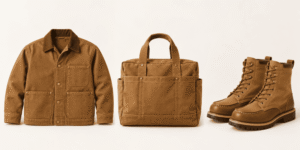

You’ve mastered the art of the classic five-pocket jean, a timeless silhouette. But now you see a different style re-emerging: one with extra loops and pockets. You're wondering what this functional garment is all about.
Carpenter jeans are a workwear variation of classic jeans, distinguished by their relaxed fit and specific functional details like a hammer loop on the side and extra utility pockets for tools.
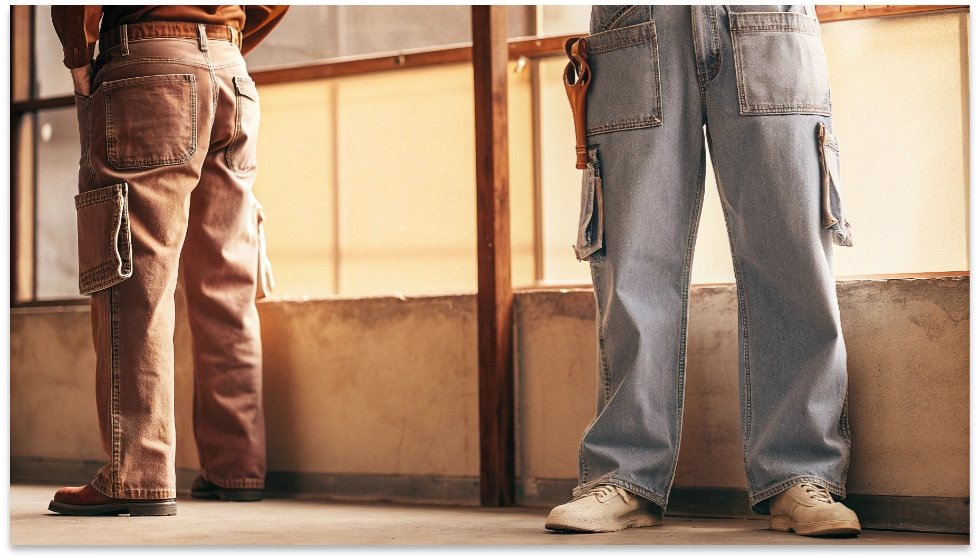
Dean, your insight is exactly right. You noticed the key features: the extra patch pockets and the loops for tools. That's the entire purpose of this design. I've been making jeans for over twenty years, and while fashion trends come and go, workwear designs like the carpenter jean stick around because they are built to solve a problem.
They are not just about style; they are a tool in themselves. This design takes the durable foundation of a regular jean and adds specific features to make a tradesperson's life easier. It’s a perfect marriage of form and function.
What's the Difference Between Carpenter Jeans and Regular Jeans?
You understand the five-pocket jean inside and out. Now you need to break down the specific DNA of a carpenter jean to see how it deviates from that standard blueprint.
The primary difference is function. Regular jeans are for casual wear, while carpenter jeans add work-specific features like a hammer loop and utility pockets, and usually have a looser fit for better mobility.
From a manufacturing standpoint, the process starts differently. For a regular jean, the focus is on fit and finish. For a carpenter jean, the first priority is utility. We use the same durable denim, but the pattern pieces and construction steps are more complex.
We are adding multiple new components that have to be integrated into the design. A regular jean is a minimalist masterpiece; a carpenter jean is a functional workhorse.
Every extra stitch and panel has a job to do. It’s not just about looking the part; it’s about providing storage and freedom of movement for someone who is physically working all day.
Carpenter vs. Regular Jeans: Key Distinctions
| Feature | Regular Jeans (Five-Pocket) | Carpenter Jeans |
|---|---|---|
| Pockets | Standard five-pocket configuration. | Five-pocket base + additional utility pockets and/or tool loops. |
| Fit | Varies widely (skinny, slim, straight, etc.). | Typically relaxed or loose for comfort and movement. |
| Primary Purpose | Casual style and everyday wear. | Functional workwear for carrying tools and supplies. |
| Construction | Focus on aesthetic seams and clean lines. | Focus on reinforced stress points and durable attachment of loops. |
Why Are They Called Carpenter Jeans?
You know that the names of garments often tell a story about their origins. You're curious about the history behind this specific name and its connection to a particular trade.
They are called carpenter jeans because they were designed with the specific needs of a carpenter in mind. The signature hammer loop and extra pockets were created to hold common carpentry tools like a hammer, rulers, and pencils.
The name is a perfect example of purpose-driven design. Back in the day, workwear wasn't about fashion. It was about creating practical solutions. Carpenters needed to keep their most-used tool—the hammer—within easy reach, but carrying it in a back pocket was clumsy and unsafe.
The simple addition of a strong fabric loop on the leg was a revolutionary idea. It kept the hammer secure and accessible without needing a separate tool belt.
The additional, deeper pockets on the side were perfect for holding folding rulers, pencils, or pliers. The garment was so perfectly tailored to the trade that the name "carpenter jean" stuck. It's a legacy of a time when clothing was designed to be part of your toolkit.
What Is Special About Carpenter Jeans?
Beyond the obvious loops and pockets, you want to understand the deeper design philosophy. What makes this garment unique in the world of denim and workwear?
What's special about carpenter jeans is their unapologetic celebration of utility. Every non-standard feature serves a practical purpose, turning a simple piece of clothing into a highly efficient, wearable tool belt.
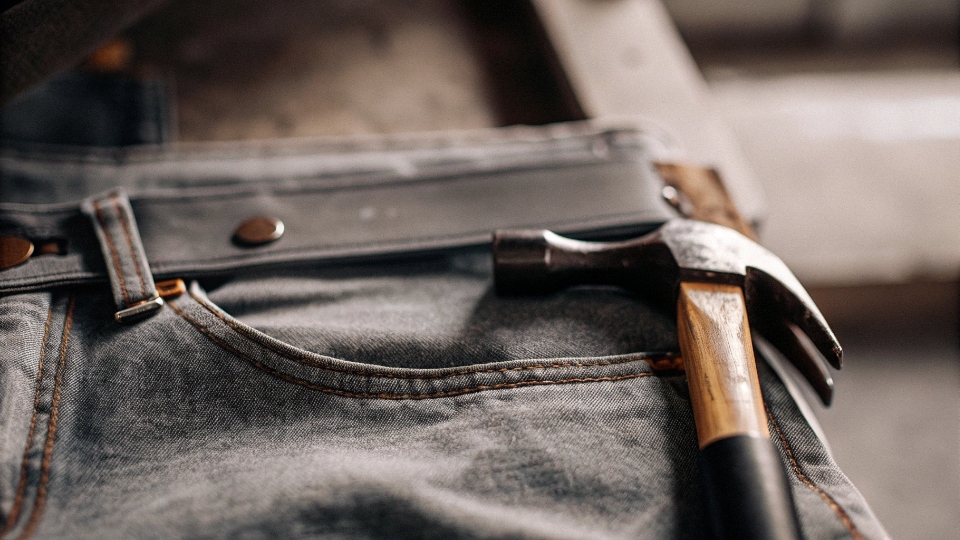
Dean, this is where workwear and high design find common ground. The special quality of a carpenter jean is its honesty. There is nothing on the jean that is purely for decoration. The relaxed fit isn't just a style choice; it’s for squatting and climbing.
The hammer loop isn't an accessory; it’s a holster. The extra pockets aren't for show; they are for storage. In my factory, when we make these, we have to use reinforced stitching—like bar tacks—at the top and bottom of the loop to ensure it can handle the weight and stress of a real hammer swinging from it all day.
This commitment to pure function is what makes it special. It's a design that has earned its place through decades of real-world use, and that kind of authenticity is something fashion designers are always trying to capture.
Do People Still Wear Carpenter Jeans?
You see them popping up in streetwear and fashion collections, but you wonder if they have broken out of their niche. Is this a lasting trend or a temporary throwback?
Yes, people absolutely still wear carpenter jeans. They have crossed over from pure workwear into mainstream fashion, valued for their relaxed, retro silhouette and functional, utilitarian aesthetic.
Definitely. On one hand, you still have actual tradespeople who have been wearing them for generations and continue to buy them for their original purpose.
In my factory, we still produce them for classic workwear brands, and that business is steady. But on the other hand, a whole new generation has discovered them. The '90s fashion revival brought them back into the spotlight. Skaters love them for the loose fit and durability. Streetwear enthusiasts appreciate their authentic, anti-fashion vibe.
As a designer, this is a fascinating cycle to watch. A garment is created for a purely practical reason, it proves its worth over decades, and then fashion circles back to rediscover its honest, functional beauty. They are more popular now than they have been in twenty years.
Conclusion
Carpenter jeans are workwear classics defined by their functional hammer loop, utility pockets, and relaxed fit. Originally designed for tradespeople, their authentic, utilitarian style has made them a lasting fashion statement.