
You love the look of high-quality jeans. You see the clean, finished edge on cuffed denim and want it. But you think you can only find selvedge from Japan.
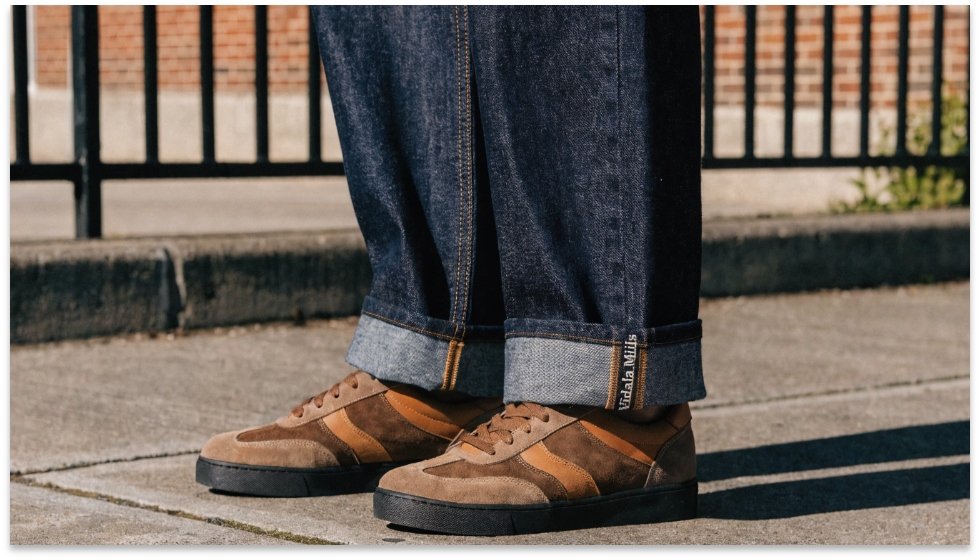
Yes, you can absolutely get selvedge denim1 in the US. A growing community of American brands makes incredible jeans here. They use selvedge fabric from American mills like Vidalia Mills2 or from top mills in Japan, with a focus on US-based craftsmanship.
I've worked with denim for over 20 years. For a long time, Japan was the only place for true denim heads to find the best selvedge. The history, the looms, the culture—it was all there.
But the story is changing. American brands3 are making some of the best jeans in the world right now. They are creating their own history. Let's explore what this means for you.
What is American selvedge denim?
You hear about American brands making selvedge jeans. But you're not sure what that means. Is the cotton grown here? Is the fabric woven here?
American selvedge denim refers to jeans that are cut and sewn in the USA using selvedge fabric. The fabric itself might be from the US, like from Vidalia Mills, or imported. The defining feature is the American design and manufacturing.
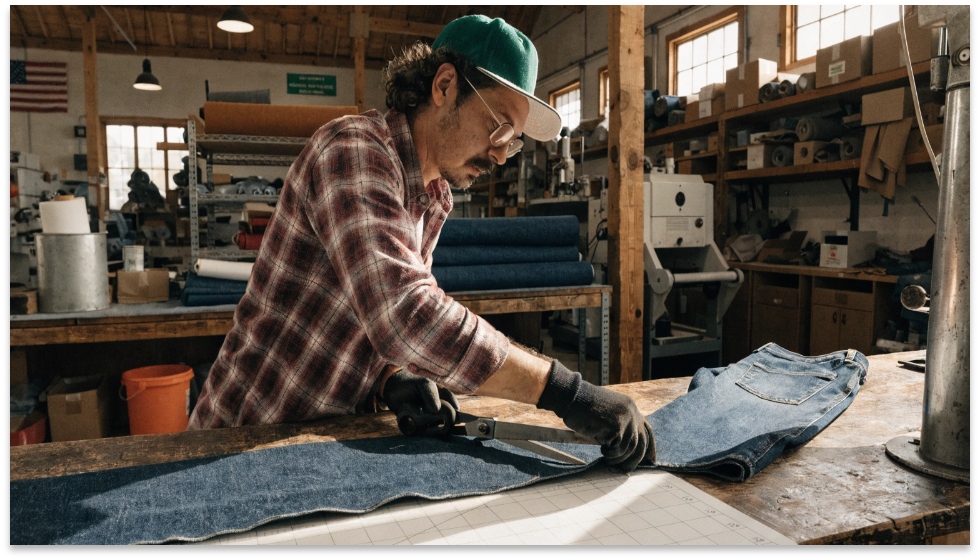
For years, Cone Mills White Oak4 plant in North Carolina was the heart of American selvedge. When it closed, many thought it was the end. But then Vidalia Mills in Louisiana bought the old looms and started weaving again. This was a huge step.
Now, American brands have access to American-made selvedge fabric again. Many still use Japanese fabric because it is amazing. But the key is that the jeans themselves are made here.
Brands like Rogue Territory, Freenote Cloth, and Raleigh Denim are building a new American denim identity. They honor the rugged workwear history of the US while creating modern fits. They may not have the long history of a Japanese brand like Samurai, but they have a powerful story of their own.
| Aspect | American Selvedge Brands | Japanese Selvedge Brands |
|---|---|---|
| Heritage | Focus on American workwear, cowboys, and pioneers. | Inspired by vintage American denim, but perfected with unique techniques. |
| Fabric | Can be American (Vidalia) or Japanese. Often rugged and durable. | Famous for unique textures, slub, and nep. Often has a "perfectly imperfect" character. |
| Craftsmanship | High-quality construction, often by small teams in the USA. | Extremely detail-oriented, with a reputation for flawless construction. |
What is the 2 finger rule for jeans?
You are trying on new jeans and they feel okay. But you are worried they might be too tight or too loose after you wear them. You need a simple test.
The "2 finger rule5" helps you find the right waistband fit. You should be able to slide two fingers flat between your body and the waistband. This ensures there's enough room for comfort and movement without being too loose.
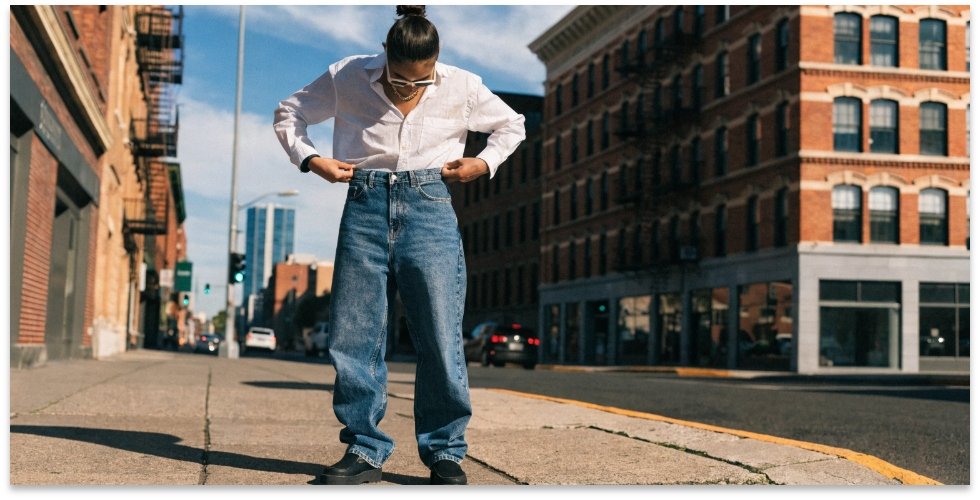
This is a classic trick that I teach everyone. Your waist size changes during the day, especially when you sit down. The 2 finger rule gives you the perfect amount of space to handle this. It is your best guide in the fitting room.
How to Apply the Rule
Think about it in simple terms. The number of fingers you can fit tells you everything you need to know about the fit of the waistband.
- Zero Fingers: These jeans are too tight. You will be uncomfortable as soon as you sit down. This can also put too much stress on the zipper and button.
- One Finger: This is a very snug fit. It can work for jeans with a lot of stretch in them, but for 100% cotton selvedge denim, it is likely too tight.
- Two Fingers: This is the sweet spot. The jeans feel secure but not constricting. There is enough room to breathe, move, and sit down comfortably. This is the goal for most non-stretch jeans.
- A Whole Hand: The jeans are too big. You will need a belt to hold them up, and the fabric will bunch up around your waist. This creates an unflattering look.
What pair of jeans cost $10,000?
You hear stories about jeans selling for thousands of dollars. You think your $250 selvedge jeans are expensive. You want to know what makes a pair worth $10,000.
A pair of jeans that costs $10,000 or more is a historical artifact, not just clothing. These are typically vintage Levi's from the late 1800s, discovered in old mines. Their value comes from extreme rarity and historical significance.
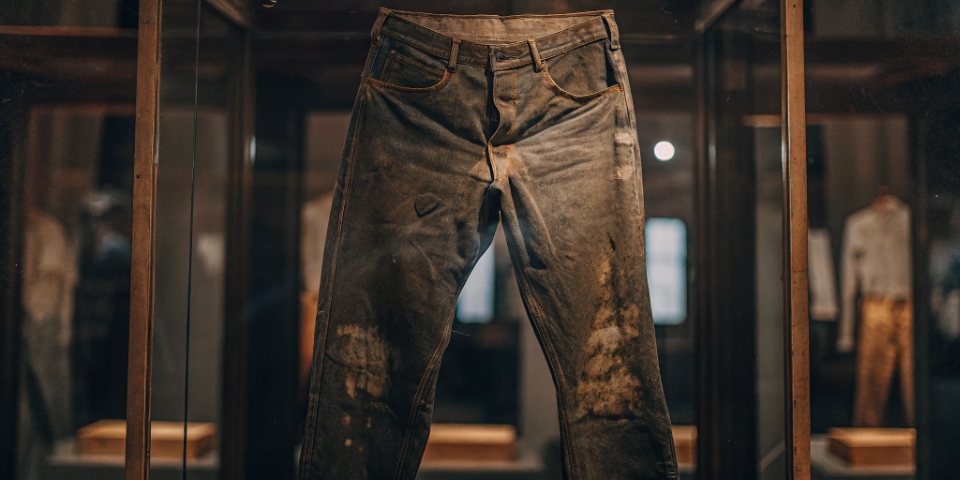
The jeans that fetch these prices are museum pieces. Think of the "Nevada Jean6," a pair of Levi's from the 1880s that sold for nearly $100,000. It is the oldest known pair of Levi's 501s. You are not paying for the fabric or the fit; you are paying for a piece of American history.
No modern pair of jeans can compare to that. Some luxury brands might add diamonds or gold to their jeans to make them expensive, but that is a gimmick. The true value in denim comes from two places. First, the incredible history of a vintage piece.
Second, the personal history you create by wearing a pair of raw selvedge jeans for years. At my factory, we focus on the second part. We give people the best possible canvas to start their own story.
Does American Eagle have selvedge denim?
You like the convenience of shopping at a store like American Eagle. You are curious about selvedge denim but think it's only sold at exclusive, expensive boutiques.
Yes, American Eagle often offers selvedge denim as part of its premium collections. This makes selvedge accessible to a much wider audience. It's a great way to experience better-quality denim without going to a specialty store.
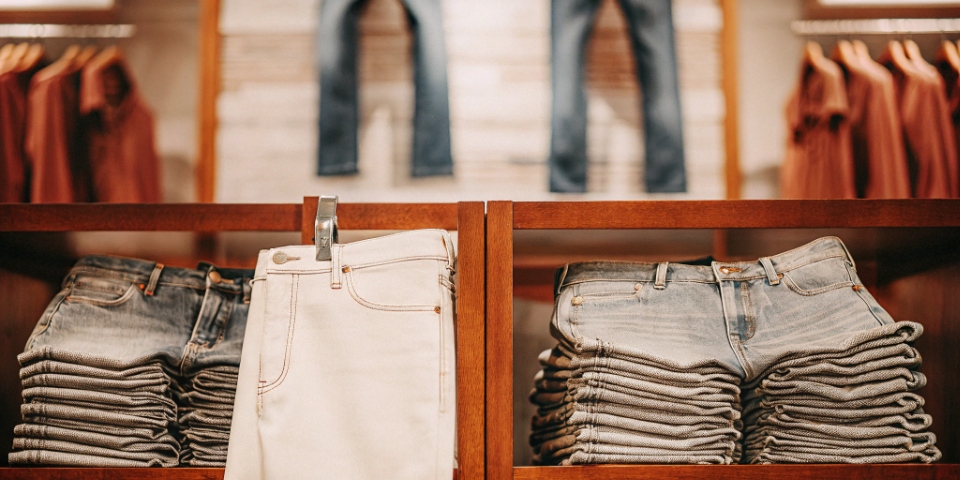
When a huge retailer like American Eagle starts selling selvedge, it is a big deal. It tells me that customers are learning more about quality and are asking for better products. The selvedge jeans you find there will be different from a pair from a niche brand. They are designed for the American Eagle customer.
They will likely be a lighter weight and might have some stretch for comfort. They won't require a long break-in period like heavy, raw selvedge denim. This is not a bad thing. It's an entry point. It lets people feel the difference in the fabric and see the clean selvedge edge.
For us in the industry, producing selvedge for a large brand is a different challenge. It's about maintaining that sign of quality while producing at a very large scale. It helps educate the market and gets more people excited about good denim.
Conclusion
You can find amazing selvedge denim made right here in the US. From niche artisans to big retailers, American selvedge is strong, stylish, and full of character.
-
Explore the unique qualities of selvedge denim and why it's a favorite among denim enthusiasts. ↩
-
Learn about Vidalia Mills and its role in reviving American selvedge denim. ↩
-
Discover top American brands that are redefining selvedge denim with quality craftsmanship. ↩
-
Understand the historical significance of Cone Mills and its influence on American denim. ↩
-
Find out how the 2 finger rule can help you choose the perfect fit for your jeans. ↩
-
Explore the fascinating history of the Nevada Jean and its significance in denim culture. ↩