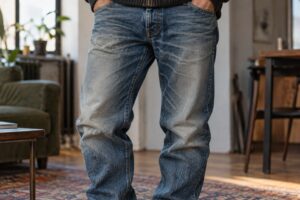

You just washed your favorite jeans, and now they feel like cardboard. They are uncomfortable, hard to move in, and you are worried you have ruined them forever.
Jeans feel stiff because of the starch in the fabric and the way they are dried. Raw, unwashed denim is intentionally stiff to create custom fades. For washed jeans, hang-drying removes all moisture, causing the cotton fibers1 to become rigid and hard.
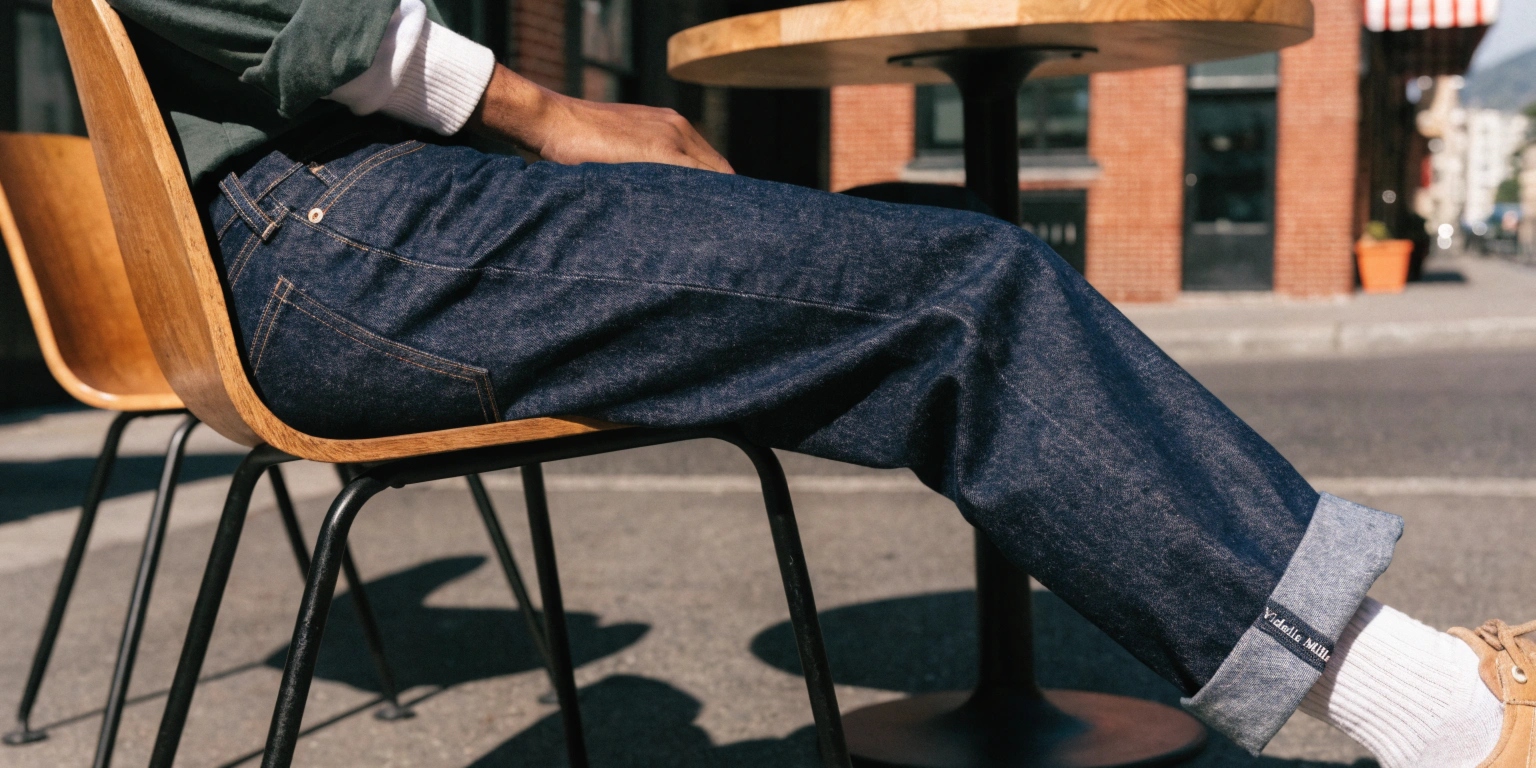
For over two decades, I've worked with every kind of denim imaginable at my factory, DiZNEW. I've seen jeans engineered to be soft as butter and others designed to be as tough as armor. Stiffness in denim is not always a problem.
Sometimes, it is the most important feature. The feeling you get from your jeans depends on the type of denim and how you care for it. Let's break down why your jeans are stiff and what you can do about it.
Is it normal for jeans to be stiff?
You just bought a new pair of premium jeans, and they are incredibly rigid. You worry they are low-quality or will never feel comfortable to wear.
Yes, it is completely normal for new jeans to be stiff, especially raw and selvedge denim2. This stiffness comes from starches used during the weaving process. It is a sign of high-quality, durable fabric that is ready to be broken in.
When a designer like Dean specs out a new line of high-end raw denim, he expects the final product to be stiff. In the world of denim enthusiasts3, stiffness is not a flaw; it's a feature. This rigidity comes from a starchy substance called "sizing" that we apply to the cotton yarns before they are woven.
On the loom, the yarns are under incredible tension. The sizing acts like a protective shield, preventing them from snapping.In raw denim4, we leave this sizing in the final product. This creates a crisp, rigid fabric that serves as a blank canvas.
As you wear the stiff jeans, your body creates unique creases. Over time, the indigo dye5 wears away in these areas, creating fades that are 100% unique to you.It's a completely different experience from buying pre-softened jeans.
| Denim Type | Initial Feel | Purpose of Feel |
|---|---|---|
| Raw Denim | Stiff, rigid, like cardboard | To create sharp, personalized fades and a custom fit over time. |
| Washed Denim | Soft, comfortable, worn-in | To provide immediate comfort and a specific pre-designed look (e.g., distressed, faded). |
| Air-Dried Denim | Stiff, crunchy | A temporary state caused by the cotton fibers locking in place as water evaporates completely. |
How do you soften stiff jeans?
Your favorite jeans feel like a suit of armor after you wash them. You do not want to go through a painful break-in period just to feel comfortable again.
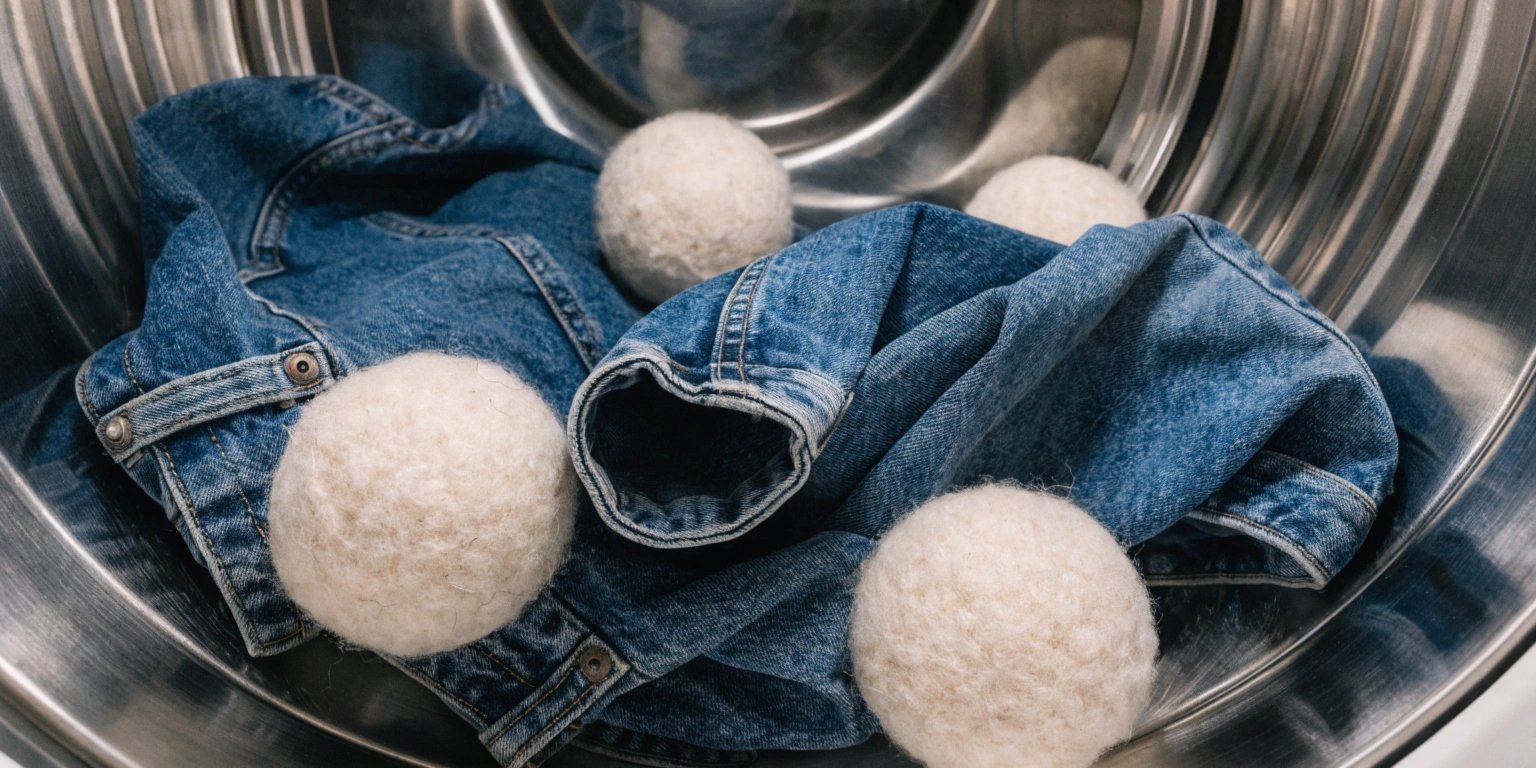
To soften stiff jeans quickly, tumble dry them on a low-heat or no-heat setting with a few wool dryer balls. Alternatively, a quick pass with a garment steamer or a hot iron will relax the fibers and remove the cardboard feeling.
As an expert in denim washing, I know dozens of factory techniques to soften fabric. But you have some very effective tools right at home. The stiffness you feel after air-drying is temporary and easy to fix. The problem is that as water evaporates, the cotton fibers lock into a rigid position.
Your goal is to loosen them up. The easiest way is mechanical softening. Throwing the jeans in a dryer on a no-heat "air fluff" cycle with a few dryer balls or clean tennis balls will physically beat the stiffness out of them. It mimics the effect of wearing them for a few hours but does it in just 15 minutes.
Another great method is using heat and moisture. A steamer is perfect for this. The hot steam penetrates the fibers and instantly relaxes them. If you don't have a steamer, a hot iron with the steam function on will do the same job. Just be sure to iron them inside-out to protect the color. These methods will make your jeans comfortable again without a long break-in period.
Are new jeans supposed to be stiff?
You are trying on a pair of brand new jeans and can barely bend your knees. You think there must be something wrong with the fit or the material.
Yes, high-quality new jeans, particularly raw denim, are supposed to be stiff. This initial rigidity is essential for the break-in process6. It allows the heavy cotton fabric to mold perfectly to the shape of your body for a true custom fit.
Think of a new pair of raw jeans like a fine leather boot. It's uncomfortable and stiff at first. But after you wear it for a few weeks, the leather softens and molds to your foot, becoming the most comfortable thing you own. Raw denim works exactly the same way for your legs.
The stiffness is the price of admission for a pair of jeans that will eventually fit you better than any other. In the raw denim community, there is a term "yǎng niú" , which translates to "raising cattle."
It describes this process of nurturing a pair of stiff, raw jeans into a soft, beautifully faded garment that tells your personal story. The stiffness forces the fabric to crease at your body's specific bend points, like your hips (whiskers) and the back of your knees (honeycombs).
These creases become permanent, and as the indigo dye chips away, your life is literally recorded on the fabric. It is a slow, rewarding process that you can only get by starting with a stiff, unwashed pair.
Can tight jeans cause thrush?
You love the look of tight jeans but also care about your health. You have heard rumors that tight clothing can cause infections and want to know if it's true.
Yes, wearing very tight pants, including jeans, can contribute to conditions like thrush. Tight, non-breathable clothing traps heat and moisture against your skin. This creates a warm, damp environment that can encourage the overgrowth of yeast, leading to an infection.
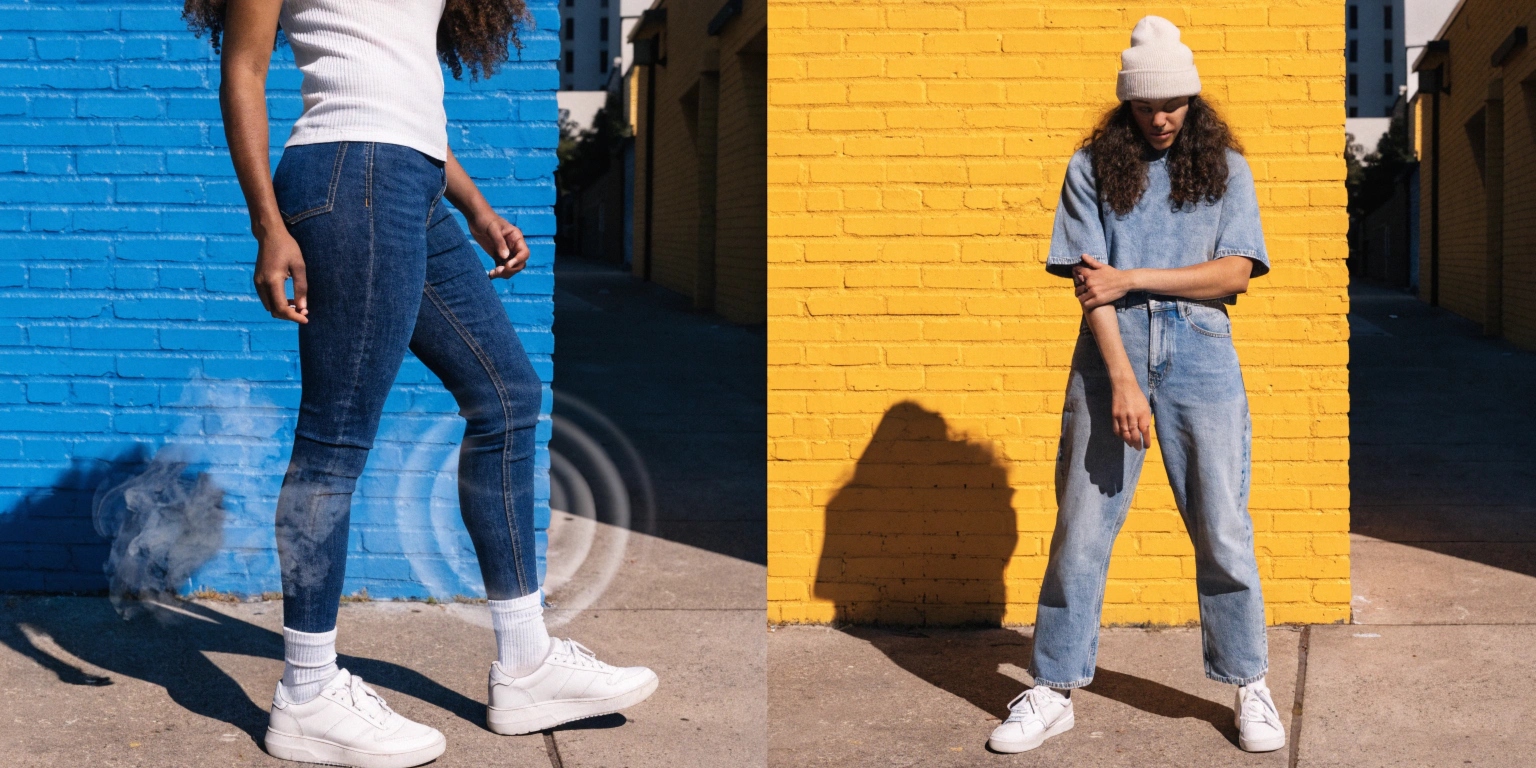
I am a denim expert, not a doctor, but I can speak about this from a fabric and garment construction perspective. The issue is not the jeans themselves, but the combination of a tight fit and a lack of airflow.
Denim is a tightly woven cotton fabric. While cotton is breathable, very heavy denim in a skin-tight fit will significantly reduce air circulation. This traps heat and sweat close to your body. Doctors confirm that this kind of environment is ideal for the growth of yeast, which can lead to thrush (a yeast infection) in people who are susceptible.
As a manufacturer, I have seen a huge shift in the market away from the ultra-skinny fits of the 2010s. We are now producing many more straight-leg, relaxed, and wide-leg styles. This trend is driven by a demand for both style and comfort.
People want to look good, but they also want to feel good and move freely. My advice is to listen to your body. If you feel uncomfortable or notice issues, consider a looser fit or save your tightest jeans for shorter periods of wear.
Conclusion
Stiffness in jeans is often a sign of quality, not a flaw. You can easily soften them or embrace the break-in process for a unique, personalized fit.
-
Understand the properties of cotton fibers and how they affect the feel of your jeans. ↩
-
Learn about selvedge denim's craftsmanship and why it's favored by denim enthusiasts. ↩
-
Gain insights into the preferences of denim enthusiasts to make informed purchasing decisions. ↩
-
Explore the unique characteristics of raw denim and how it contributes to the overall quality of jeans. ↩
-
Discover the role of indigo dye in denim and how it contributes to the unique look of jeans. ↩
-
Understand the importance of the break-in process for achieving a perfect fit with raw denim. ↩