
Rubber on jeans isn’t just a trend—it’s a method to reshape the fabric. By altering the texture, thickness, and character of denim, this practice creates a distinct style that appeals to both creators and wearers.
People add rubber (or coatings like PU, resin, or textile glue) to jeans to customize texture, achieve specific distress effects, and mimic premium denim.1 This process is used in factory settings and DIY projects to create a tailored look.
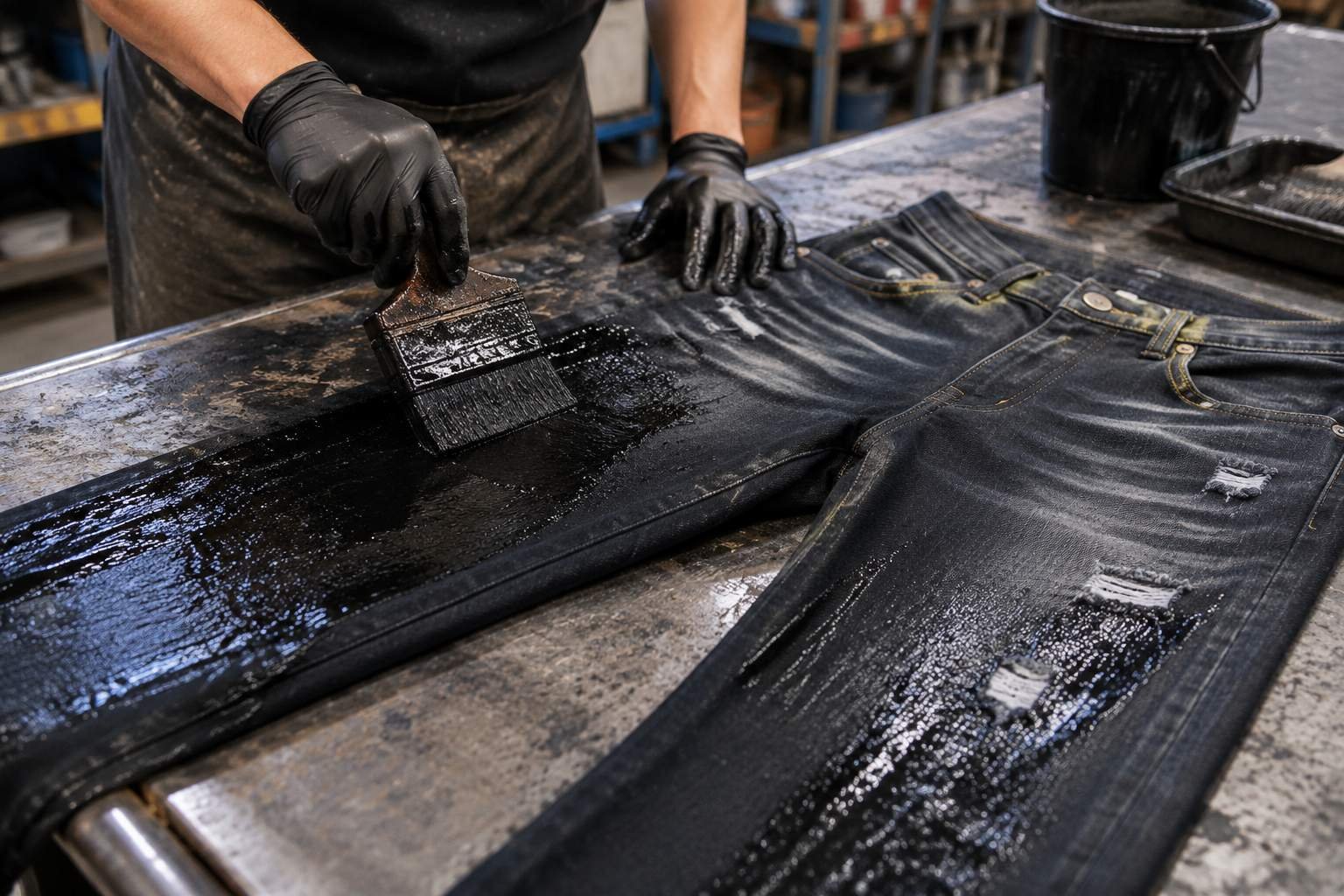
Let’s start by exploring the growing trend of unbuttoned jeans. Then, we’ll examine what wearing a rubber band signifies. Next, we’ll address Gen Z’s rejection of tight fits. Finally, we’ll uncover the cultural rules around denim in certain regions.
Why Are Girls Wearing Their Jeans Unbuttoned?
The Rise of a Relaxed, Naughty Aesthetic
Unbuttoned jeans are more than a fashion statement—they reflect a lifestyle. The intentional choice to leave buttons undone adds a touch of carelessness that feels both rebellious and stylish.
Girls wear unbuttoned jeans to embrace a more casual, "messy" look that blurs the line between edgy and feminine. This style is inspired by 90s grunge, 2000s rock culture, and modern streetwear, making it evergreen and adaptable.

Now that we’ve covered the unbuttoned style, let’s explore the symbolism of wearing a rubber band. It’s not just an accessory—it’s a statement.
What Does It Mean If Someone Is Wearing a Rubber Band?
A Symbol of Rebellion, Comfort, and Artistry
A rubber band on jeans is more than a temporary fix. It’s a style choice that conveys attitude, defiance, and a connection to the past. The practice has roots in both factory techniques and artistic expression.
Wearing a rubber band on jeans signifies a preference for relaxed, non-traditional fits. It’s linked to punk culture, DIY fashion, and a rejection of rigid styling norms, making it a timeless symbol of individuality.

This practice ties into a broader movement. Let’s uncover why Gen Z is turning away from skinny jeans.
Why Does Gen Z Hate Skinny Jeans?
The Shift Toward Comfort and Self-Expression
Gen Z prefers something that feels like a second skin. The discomfort of tight jeans clashes with their values of freedom, confidence, and individuality. They want to move without restriction.
Gen Z rejects skinny jeans because they prioritize long-term comfort and self-expression over fleeting trends. The lack of support, limited styling options, and physical pressure of tight fits make them less appealing to this generation.
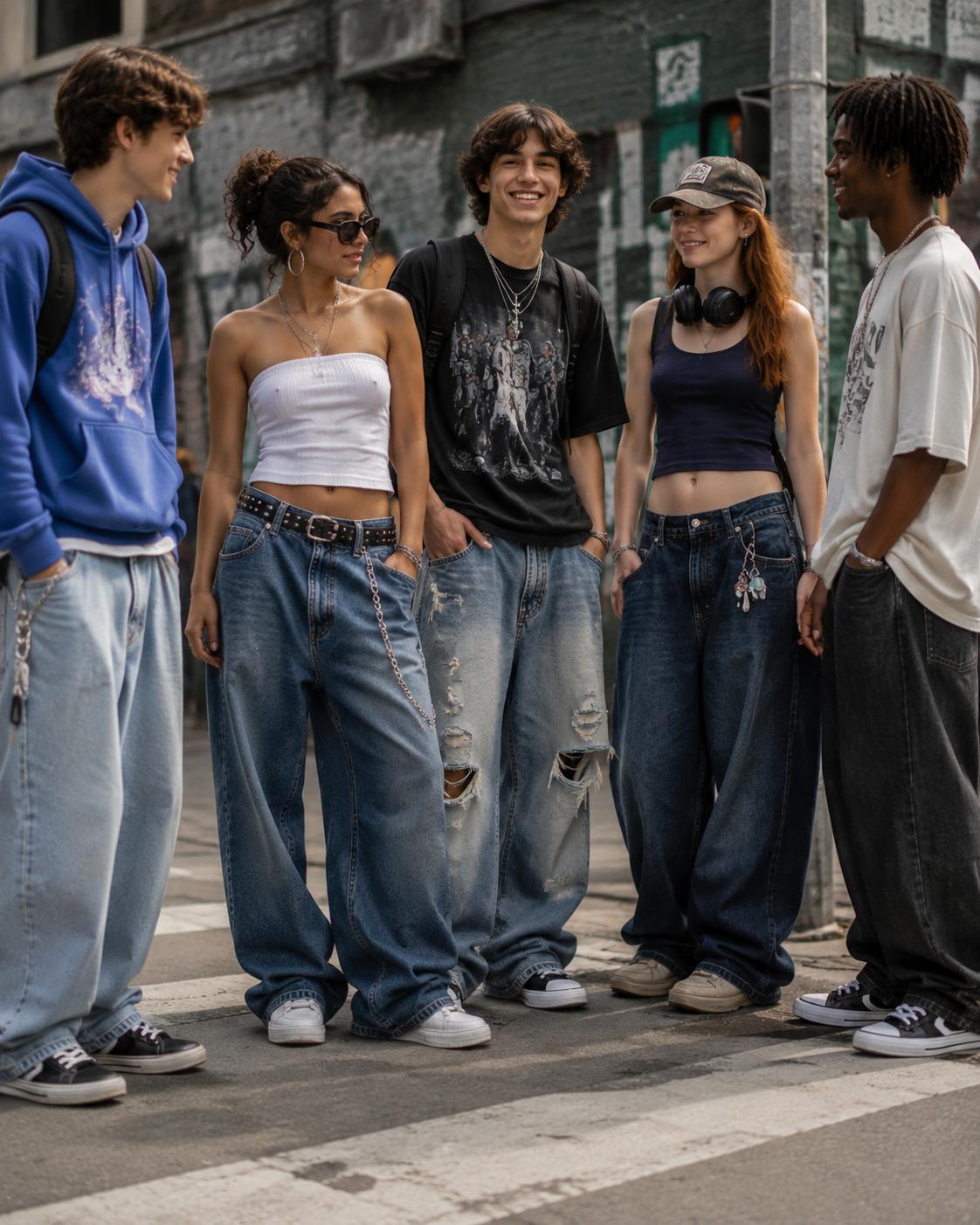
Their rejection of tight fits highlights a cultural shift. Now, let’s look at where denim is banned.
In Which Country Are Blue Jeans Not Allowed?
The Unlikely Restrictions on a Global Icon
Jeans are a global staple, but in one country, they’re not just unappealing—they’re outright banned. This rule reflects a unique cultural attitude toward casual wear and social norms.
In Afghanistan, jeans are banned for women due to religious and cultural laws. For men, they’re discouraged in formal settings. This restriction highlights how deeply societal values can shape wardrobe choices.
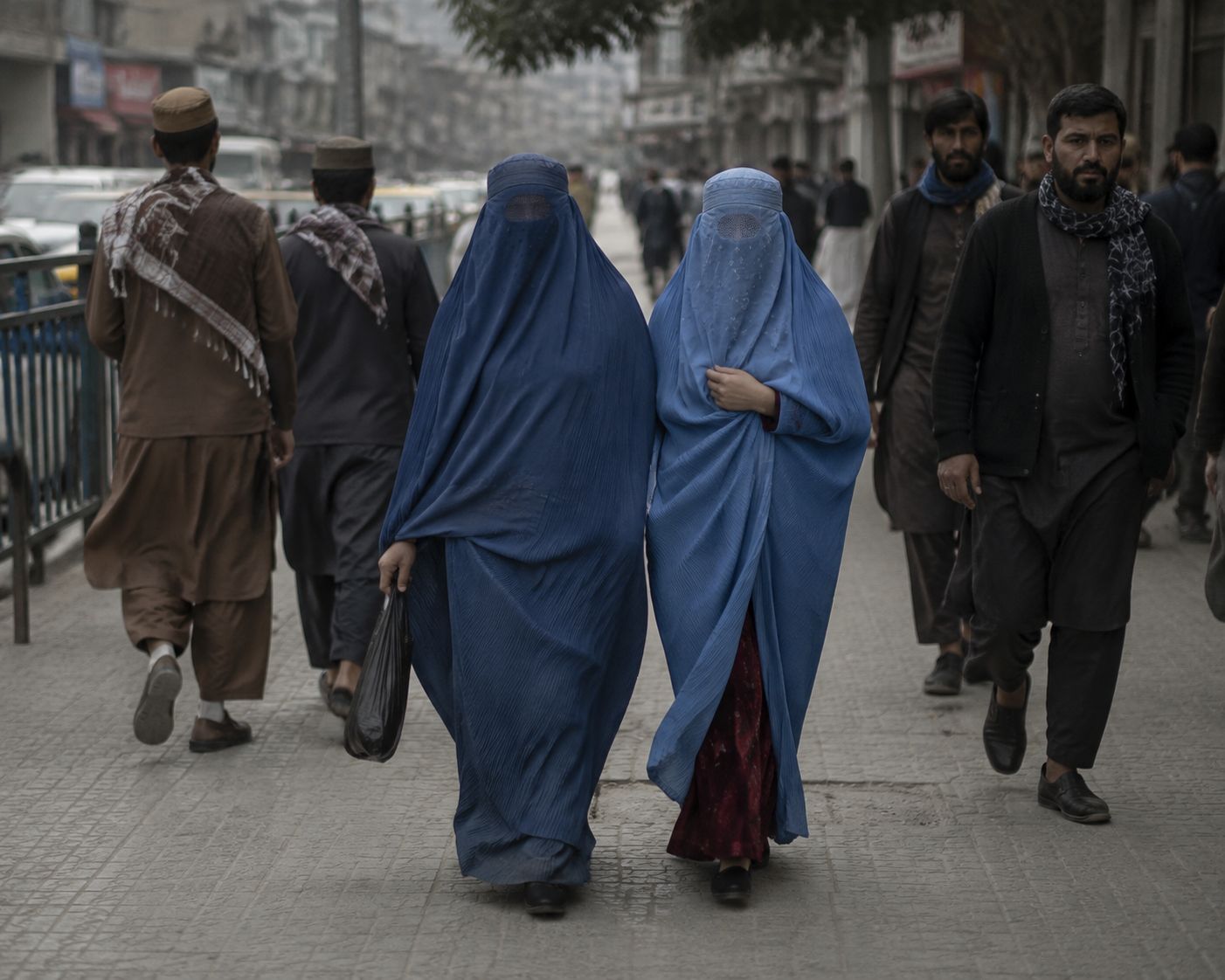
This extreme example contrasts with jeans’ everyday role elsewhere. Let’s dive deeper into the techniques and meanings behind rubber on jeans.
The Role of Rubber in Denim Transformation
Adding rubber to jeans is a deliberate act of customization. It changes how the fabric behaves, feels, and looks. Let’s examine the core reasons:
| Purpose | How Rubber Helps | Common Applications |
|---|---|---|
| Enhancing texture | Adds a glossy, leather-like finish | Luxury brand "Black Glue" jeans |
| Creating distressed effects | Makes jeans more durable and aged | DIY "dipped" or "stained" looks |
| Simulating premium denim | Mimes heavy, structured fabric | Aging jeans without washing |
| Fixing prints or patches | Keeps designs in place during wear | Custom embroidery or graphics |
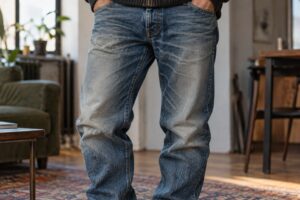
The practice isn’t limited to fashion. In factories, rubber coatings (like PU or resin) are used to shape the denim into a desired look. For example, applying rubber to the knees can create the "cat’s whisker" effect—those classic horizontal creases that give jeans character. On the other hand, DIY enthusiasts use textile glue to avoid over-washing, ensuring their jeans last longer. However, this method can make certain areas stiff, altering the natural flow of the fabric. The key difference between factory rubber and DIY glue is control: one is precise, the other is experimental.
Rubber Coating vs. Textile Glue
While both materials achieve similar goals, they serve different purposes. Rubber coatings are used in production to create consistent, high-quality results. Textile glue, on the other hand, is a minimalist tool for small-scale adjustments. For instance, a factory might apply a PU layer to make jeans look heavier, while a DIYer might use glue to preserve a faded design. Both methods highlight the desire to shape denim beyond its original form.
This practice also reflects cultural shifts. In the 90s, rubber was used to create "raw" or "slim" looks, but today it’s more about personalizing the fabric. If you want your jeans to feel like a second skin, rubber is a tool to make them more flexible. But if you’re aiming for a vintage aesthetic, it’s about creating a "worn" look that feels intentional. The difference lies in how the rubber is applied and what the final result communicates.
The Psychology of Textured Denim
Wearing jeans with a rubber finish feels different because the fabric is less clingy. It’s a subtle way to signal confidence and nonchalance. For example, a rubber-coated pair might look like a luxury item, while a glued-up pair could feel rebellious. This duality—between comfort and style—explains why the technique persists. Some people want to soften the fabric, others want to harden it for a specific look. Either way, the end goal is to make jeans more special.
When to Use Rubber or Glue
The decision to use rubber on jeans depends on your goals. If you want a "slimming" effect, a rubber coating can help firm up the fabric. But if you’re into "aging" your jeans, glue is the better option. For instance, a 2010s "black glue" trend used glue to create a wet look, while modern DIYers might use it to set patches or paint. Each method has its pros and cons, and understanding them can help you choose the right approach.
Conclusion
Rubber on jeans is a way to reshape fabric for specific looks, blending tradition with innovation.
-
"Denim Fabric: Construction, Thermophysiological Comfort ...", https://www.academia.edu/116176096/Denim_Fabric_Construction_Thermophysiological_Comfort_and_Future_Trends. A textile-finishing reference on coated denim supports that polyurethane and resin-based finishes can alter denim hand, surface appearance, stiffness, and abrasion/distress effects. Evidence role: mechanism; source type: education. Supports: People use rubber-like coatings, PU, resin, or textile glue on jeans to modify texture, distressing, and perceived quality.. Scope note: Such sources may support industrial PU/resin finishing directly, while DIY textile glue use may require a separate craft or materials source. ↩